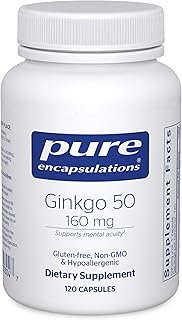
Navigating midlife and menopause often involves exploring various options to support well-being. Ginkgo biloba is a botanical that many women consider. When looking into ginkgo supplements, understanding how to choose ginkgo supplement quality is an important step.
The market offers a wide array of ginkgo products, and their quality can vary significantly. This guide aims to provide evidence-based information to help you make informed decisions about selecting a high-quality ginkgo biloba supplement.
Understanding Ginkgo Biloba Extracts: What to Look For
Ginkgo biloba supplements are typically derived from the leaves of the Ginkgo biloba tree. The active components of interest are often concentrated in standardized extracts. These extracts are processed to contain specific levels of certain compounds, which is a key indicator of quality [1].
The most widely studied ginkgo biloba extract is EGb 761. This particular extract is standardized to contain 22-27% ginkgo flavone glycosides and 5-7% terpene lactones [2]. These percentages represent the concentration of specific phytochemicals believed to contribute to ginkgo’s properties. When examining supplement labels, look for products that specify these standardized percentages, as this indicates a carefully prepared extract [1].
The standardization process is crucial for ensuring consistency between different batches of a supplement. Without standardization, the amount of active compounds can fluctuate, potentially affecting the product’s reliability. Therefore, a high-quality ginkgo supplement will clearly state its standardization to specific percentages of ginkgo flavone glycosides and terpene lactones, similar to the EGb 761 standard [2].
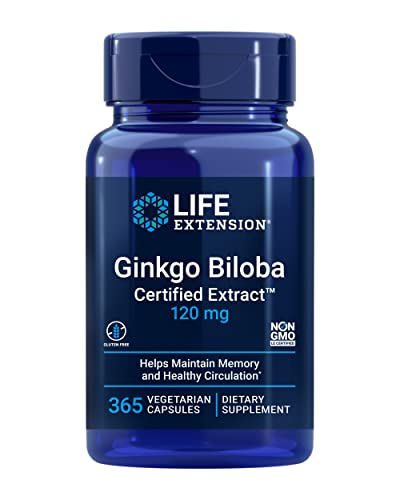

The Importance of Quality Control and Testing
The quality of ginkgo biloba products can be impacted by factors such as the purity of the raw materials and the manufacturing process. Rigorous quality control measures are essential to ensure that a supplement contains what it claims on the label and is free from unwanted contaminants [1].
Analytical techniques like UPLC fingerprint analysis and multi-component separation combined with quantitative analysis are used to control the quality of ginkgo biloba preparations [3]. These methods help to identify the specific components within the extract and verify their concentrations. Reputable manufacturers often employ such sophisticated testing to confirm the identity and purity of their ginkgo extracts.
Some ginkgo supplements on the market have been found to contain adulterants or incorrect ingredient profiles [4]. This highlights the importance of choosing products from manufacturers with transparent quality control practices. Look for brands that provide information about their testing procedures, potentially including third-party testing, to help ensure the product’s integrity.
Identifying Potential Adulteration and Contaminants
Adulteration of herbal supplements, including ginkgo biloba, is a concern in the marketplace. This can involve substituting ginkgo extract with cheaper plant materials or adding synthetic compounds [4]. Such practices compromise the quality and potential usefulness of the supplement.

To mitigate the risk of purchasing an adulterated product, it’s advisable to choose brands that are transparent about their sourcing and manufacturing processes. While specific testing information might not always be directly on the label, a company’s commitment to quality can often be inferred from their website or other publicly available information. In Europe, some ginkgo biloba food supplements have shown adulteration patterns during quality control checks [4].
Additionally, some ginkgo products may contain high levels of ginkgolic acids, which are undesirable components of the ginkgo leaf. High-quality extracts, like EGb 761, are processed to reduce ginkgolic acid levels to less than 5 parts per million (ppm) [2]. This reduction is important for consumer safety. Checking for a statement regarding low ginkgolic acid content can be another indicator of a well-processed, high-quality ginkgo supplement.
Checking for Certifications and Reputable Brands
While dietary supplements are not regulated in the same way as pharmaceuticals, certain certifications and practices can signal a manufacturer’s commitment to quality. These might include adherence to Good Manufacturing Practices (GMPs), which are standards set to ensure products are consistently produced and controlled according to quality standards.
Researching the brand’s reputation is also a valuable step. Companies with a long history of producing high-quality herbal supplements and those that are transparent about their ingredients, sourcing, and testing procedures may be more reliable. Look for brands that are well-established and have positive feedback regarding product quality and customer service.
Although specific certifications vary by region and often apply to manufacturing processes rather than individual products, a brand’s overall commitment to quality control, including potential third-party testing, can offer reassurance. Such testing verifies that the product contains the stated ingredients in the correct amounts and is free from harmful contaminants.
References
- Chemical analysis and quality control of Ginkgo biloba leaves, extracts, and phytopharmaceuticals. Journal of chromatography. A, 2009
- Ginkgo. 2006
- A strategy for quality control of ginkgo biloba preparations based on UPLC fingerprint analysis and multi-component separation combined with quantitative analysis. Chinese medicine, 2022
- Ginkgo biloba Food Supplements on the European Market – Adulteration Patterns Revealed by Quality Control of Selected Samples. Planta medica, 2018
These statements have not been evaluated by the Food and Drug Administration. This information is not intended to diagnose, treat, cure, or prevent any disease. Content is for informational purposes only and is not medical advice; consult a qualified healthcare provider before starting any supplement. As an Amazon Associate we earn from qualifying purchases.