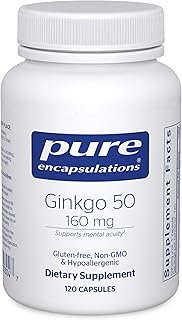
Ginkgo biloba is one of the oldest tree species on earth, and one of the most studied botanical extracts in circulation research. Most commercial products use a standardized leaf extract, not the whole leaf, because the active compounds are concentrated and isolated in that process. Understanding what those compounds actually do explains both the benefits people report and the safety notes every reputable source repeats.
This post contains affiliate links. If you buy through them, we may earn a small commission at no extra cost to you. This does not influence what we recommend.
The Two Active Compound Families
Standardized ginkgo extract is defined by two groups of molecules: flavone glycosides (typically standardized to 24%) and terpene lactones, mainly ginkgolides and bilobalide (typically standardized to 6%). The flavone glycosides are antioxidants that scavenge free radicals in blood vessel walls and neural tissue. The terpene lactones are structurally unusual and are what most of the circulation and platelet research focuses on.
Circulation and Blood Flow
Ginkgolides inhibit platelet-activating factor, a signaling molecule involved in clumping platelets together. In small vessels, this translates to modestly improved peripheral blood flow, which is why ginkgo has the longest track record for circulation-related complaints like cold hands and feet or intermittent claudication. It also has a mild vasodilatory effect on small arterioles.
This same platelet-activating-factor inhibition is the mechanism behind the blood-thinning interaction warning that should accompany every ginkgo product.
Neuroprotection and Antioxidant Activity
In neural tissue, the flavone glycosides appear to reduce oxidative stress and support mitochondrial function under metabolic strain. Animal and cell-culture research shows ginkgo extract protecting neurons from oxidative damage, but translating that into reliable, measurable cognitive benefit in humans has been harder to demonstrate consistently across trials, which is why the cognitive research picture is mixed rather than uniformly positive.


Frequently Asked Questions
Is ginkgo biloba a stimulant?
No. It does not act on the central nervous system the way caffeine or nootropic stimulants do. Any perceived alertness effect is more likely tied to improved peripheral circulation than direct CNS stimulation.
How is standardized extract different from ginkgo tea or raw leaf?
Standardized extract concentrates the flavone glycosides and terpene lactones to a known, consistent ratio and removes ginkgolic acids. Tea and raw leaf preparations have unpredictable, usually much lower, concentrations of the active compounds and higher levels of the allergenic ginkgolic acids.
Does the mechanism support long-term daily use?
The compounds do not accumulate or require loading in the way some supplements do. Most research protocols use consistent daily dosing over 12 to 24 weeks, which matches how the extract is generally used in practice.
Important safety note: Ginkgo biloba is often described as a blood thinner. Standardised extract does inhibit platelet aggregation and prolong bleeding time as a pharmacological property[1], but that is a proposed mechanism rather than a confirmed clinical effect: a meta-analysis of 18 randomised trials in 1,985 adults found no significant effect on platelet aggregation, fibrinogen concentration, aPTT or prothrombin time, and did not indicate a higher bleeding risk[2]. A review of controlled studies likewise found that ginkgo did not impair haemostasis or compromise the safety of coadministered aspirin or warfarin, while noting that an idiosyncratic bleeding event cannot be excluded and that isolated case reports do exist[3], including chronic ginkgo use preceding spontaneous subdural haematoma[4]. Those trials were not designed to establish safety in people who are already anticoagulated, so that specific question is open rather than answered. If you take warfarin, aspirin, clopidogrel, or any other blood thinner, or if you have a bleeding disorder or an upcoming surgery, talk to your doctor before starting ginkgo. This applies even to otherwise low-risk uses like memory support.

These statements have not been evaluated by the FDA. This product is not intended to diagnose, treat, cure, or prevent any disease.
References
- EGb 761: ginkgo biloba extract, Ginkor. Drugs in R&D, 2003
- Is there a risk of bleeding associated with standardized Ginkgo biloba extract therapy? A systematic review and meta-analysis. Pharmacotherapy, 2011
- Potential interaction of Ginkgo biloba leaf with antiplatelet or anticoagulant drugs: what is the evidence? Molecular Nutrition & Food Research, 2008
- Spontaneous bilateral subdural hematomas associated with chronic Ginkgo biloba ingestion. Neurology, 1996
These statements have not been evaluated by the Food and Drug Administration. This information is not intended to diagnose, treat, cure, or prevent any disease. Content is for informational purposes only and is not medical advice; consult a qualified healthcare provider before starting any supplement. As an Amazon Associate we earn from qualifying purchases.