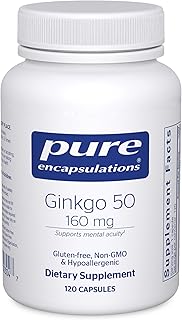
Low desire is one of the most common sexual concerns women raise in midlife, and it is also one of the most common reasons people search for ginkgo biloba. The supplement has a reputation as a natural libido booster, usually backed by a striking number: that it worked for 91% of women in a study. That number is real. The study behind it had no placebo group, and the controlled trials that came after it tell a much quieter story.
This guide walks through each human trial of ginkgo and sexual function, in order of how much weight it can bear, so you can see what the evidence supports and where it runs out.
Why ginkgo was proposed for sexual function
The idea is plausible on paper. Ginkgo extract facilitates blood flow, influences nitric oxide systems and relaxes smooth muscle, and all three processes matter for sexual arousal in women[1]. A plausible mechanism is a reason to run a trial, though, not evidence of a result. The question is what happened when researchers tested it against placebo.
Where the 91% figure comes from
In 1998, researchers reported an open trial of ginkgo in 63 people with sexual side effects from antidepressants, mostly SSRIs. They described ginkgo as 84% effective overall, with women responding more often than men (91% versus 76%), at doses averaging about 209 mg a day[4]. The study began, the authors wrote, after an older patient taking ginkgo for memory noticed an unexpected sexual benefit.
The problem is the design. In an open trial everyone knows they are taking the supplement, and there is no comparison group. Sexual function is exactly the kind of outcome where expectation moves results, so an uncontrolled success rate cannot separate ginkgo’s effect from the effect of hoping it works. That is why the next step mattered.
The placebo-controlled trials in antidepressant users
A 2002 double-blind trial randomized 37 people with antidepressant-related sexual dysfunction to ginkgo or placebo for two months. There was no statistically significant difference at two, four or eight weeks, while both groups improved on some measures from baseline. The authors stated plainly that their study did not replicate the earlier positive finding[5].
A 2004 triple-blind trial gave 240 mg of ginkgo daily or placebo for 12 weeks to 24 people with sexual impairment from antidepressants. The investigators saw some striking individual responses in both groups but no statistically significant differences between them, and no difference in side effects[6].
Reviews have read these trials the same way. A 2022 systematic review of nutraceuticals for antidepressant-induced sexual dysfunction found no evidence of an effect for ginkgo[7], and a 2026 narrative review described ginkgo’s controlled evidence in this setting as inconsistent, while flagging interaction concerns[8]. If an antidepressant is affecting your sex life, that is a conversation for your prescriber. Our guide to ginkgo and antidepressants covers the interaction side.
The best-designed trial in women
The most careful study in women was published in 2008 and looked at women with sexual arousal disorder. It had two parts[1].

- A single dose. In 99 women, one 300 mg dose of ginkgo had a small but significant effect on physiological arousal, measured with a vaginal blood-flow sensor, compared with placebo. It had no effect on how aroused the women said they felt.
- Eight weeks of treatment. 68 women were randomly assigned to ginkgo 300 mg a day, placebo, sex therapy focused on attending to genital sensations, or sex therapy plus ginkgo. Ginkgo alone did not significantly improve sexual function beyond placebo. Ginkgo combined with sex therapy did increase desire and contentment beyond placebo, and sex therapy alone improved orgasm function.
The authors’ own conclusion was that neither short- nor long-term ginkgo on its own substantially affects sexual function in women, and that a large placebo effect exists in women with sexual concerns. That second point helps explain why open trials look so much better than controlled ones.
The one positive trial in postmenopausal women
A 2014 triple-blind trial in Tehran randomized 80 healthy postmenopausal women to ginkgo extract (120 to 240 mg a day) or placebo for 30 days. Sexual desire, measured on the Sabbatsberg Sexual Rating Scale, improved significantly more with ginkgo than with placebo (P = 0.02)[2].
This is the strongest point in ginkgo’s favor, and it is worth reading at its actual size: one trial, 40 women per group, one month long, one questionnaire. It has not been repeated in a larger group or over a longer period. Desire also changes across the menopause transition for many reasons, including hormonal ones, which is part of why our guide to ginkgo alongside hormone therapy is worth reading if you are weighing both.
What the systematic reviews conclude
A 2021 systematic review searched for every clinical trial of ginkgo and sexual function and found five randomized controlled trials with 475 participants in total, across women, men and antidepressant users. It concluded that ginkgo may have positive effects on sexual function in postmenopausal women, has no effect in people taking antidepressants, and overall has limited positive effects that need more studies to confirm[3].
An earlier review of medicinal plants for sexual dysfunction in women around menopause reached a similar place: ginkgo was a reasonable candidate for future arousal studies, but no plant had a strong enough level of evidence to recommend for treatment[9].

Side effects and safety
Headaches and stomach upset were the adverse events reported across several of the trials[3]. The bigger question for many women is bleeding. A review of controlled studies found that ginkgo did not significantly affect clotting or the safety of aspirin or warfarin taken alongside it, while noting that an unusual bleeding event cannot be ruled out[10]. If you take a blood thinner, have a bleeding disorder or have surgery scheduled, read our ginkgo blood-thinning warning and talk to your doctor before starting.
If you decide to try it
Before reaching for a supplement, it helps to remember that in the 2008 trial the intervention with the clearest effects was not a supplement. Sex therapy alone improved orgasm function, and adding ginkgo to it is where the desire benefit appeared. Persistent low desire that bothers you is worth raising with a clinician, who can look at medications, hormones, mood and relationship factors that a supplement will not touch.
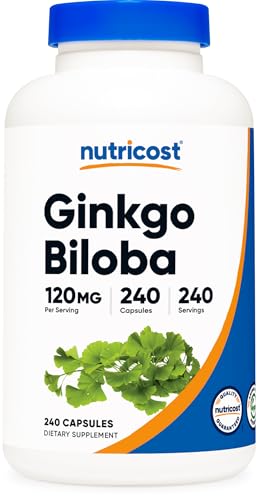
If you want to try ginkgo after reading all of this, go in with modest expectations. The trials used ginkgo extracts at 120 to 300 mg a day, and the positive postmenopausal result came after 30 days, so judge it over at least a month rather than a single dose. Our guide to standardized ginkgo extract explains what the label percentages mean, and our ginkgo dosage guide for women covers dosing in more detail.
Frequently Asked Questions
Does ginkgo biloba increase libido in women?
Not reliably. In the best-designed controlled trial in women with arousal difficulties, ginkgo on its own did no better than placebo over eight weeks. One small 30-day trial in postmenopausal women reported higher desire scores than placebo, but it has not been repeated.
Where does the claim that ginkgo works for 91% of women come from?
From a 1998 open trial of people with antidepressant-related sexual side effects. Everyone knew they were taking ginkgo and there was no placebo group. Two later placebo-controlled trials found no difference between ginkgo and placebo.
Can ginkgo fix sexual side effects from an SSRI?
The controlled evidence says no. Two placebo-controlled trials and a 2022 systematic review found no effect of ginkgo on antidepressant-related sexual dysfunction. Talk to your prescriber about dose, timing or medication changes instead, and do not stop an antidepressant on your own.
How much ginkgo was used in the women’s sexual function studies?
Doses ranged from 120 to 240 mg a day in the postmenopausal desire trial to 300 mg a day in the eight-week arousal trial. Those are study doses, not a recommendation.
Is it safe to take ginkgo for sexual function?
Trials reported headaches and stomach upset. Ginkgo also raises bleeding and drug-interaction questions, so check with your doctor first if you take blood thinners or antidepressants, or have surgery coming up.
These statements have not been evaluated by the FDA. This product is not intended to diagnose, treat, cure, or prevent any disease.
References
- Short- and long-term effects of Ginkgo biloba extract on sexual dysfunction in women. Archives of Sexual Behavior, 2008
- Triple-blind, placebo-controlled trial of Ginkgo biloba extract on sexual desire in postmenopausal women in Tehran. Iranian Journal of Nursing and Midwifery Research, 2014
- A systematic review of clinical trials on Ginkgo (Ginkgo biloba) effectiveness on sexual function and its safety. Avicenna Journal of Phytomedicine, 2021
- Ginkgo biloba for antidepressant-induced sexual dysfunction. Journal of Sex & Marital Therapy, 1998
- A placebo-controlled, double-blind trial of Ginkgo biloba for antidepressant-induced sexual dysfunction. Human Psychopharmacology, 2002
- Triple-blind, placebo-controlled trial of Ginkgo biloba in sexual dysfunction due to antidepressant drugs. Human Psychopharmacology, 2004
- A Systematic Review on the Effect of Nutraceuticals on Antidepressant-Induced Sexual Dysfunctions: From Basic Principles to Clinical Applications. Current Issues in Molecular Biology, 2022
- Plant-derived bioactives in depression-related and antidepressant-associated sexual dysfunction: a narrative review. Frontiers in Nutrition, 2026
- Medicinal plants as alternative treatments for female sexual dysfunction: utopian vision or possible treatment in climacteric women?. The Journal of Sexual Medicine, 2010
- Potential interaction of Ginkgo biloba leaf with antiplatelet or anticoagulant drugs: what is the evidence?. Molecular Nutrition & Food Research, 2008
These statements have not been evaluated by the Food and Drug Administration. This information is not intended to diagnose, treat, cure, or prevent any disease. Content is for informational purposes only and is not medical advice; consult a qualified healthcare provider before starting any supplement. As an Amazon Associate we earn from qualifying purchases.