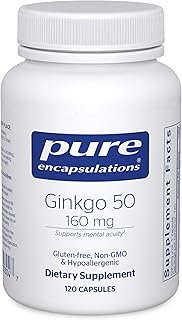
For women navigating midlife and menopause, questions often arise about combining various supplements with prescribed medications, such as Hormone Replacement Therapy (HRT). Ginkgo biloba is a popular botanical supplement, and understanding its potential interactions with HRT is a common concern.
This article aims to provide an evidence-based overview of what is currently known about ginkgo biloba and HRT, focusing on the available research. It’s important to note that the evidence regarding direct interactions is limited, and this information is for educational purposes only, not medical advice.
What is Hormone Replacement Therapy (HRT)?
Hormone Replacement Therapy (HRT) involves taking medications that contain female hormones to replace the ones the body no longer makes after menopause. It is commonly prescribed to manage menopausal symptoms like hot flashes, night sweats, and vaginal dryness, and to help maintain bone density. HRT typically involves estrogen, sometimes combined with progestin, depending on whether a woman has a uterus.
Ginkgo Biloba: A Brief Overview
Ginkgo biloba is derived from the leaves of the ginkgo tree and has been used for centuries in traditional practices. Modern research has explored various compounds within ginkgo, including flavonoids and terpenoids, for their potential biological activities. It is often taken for cognitive support, but its effects extend to other areas of the body, including potential hormonal influences [1].

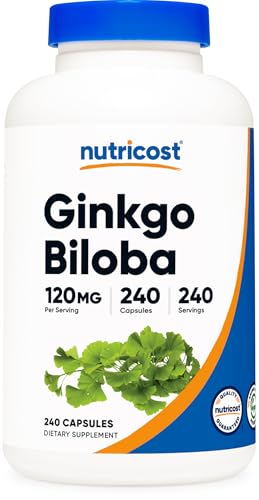
Potential Interactions: Ginkgo Biloba and HRT
The primary concern when combining ginkgo biloba with HRT revolves around potential interactions with female sex hormones. Some research suggests that ginkgo biloba extracts may exhibit estrogenic activities, meaning they could potentially mimic or influence the effects of estrogen in the body [1]. This raises questions about how it might interact with exogenous hormones supplied by HRT.
Another area of investigation involves the enzyme aromatase, which is involved in estrogen biosynthesis. Flavonoids from Ginkgo biloba extracts have shown inhibitory effects on aromatase in laboratory settings [2]. If ginkgo were to significantly inhibit aromatase in the human body, it could theoretically alter estrogen levels, which is a consideration for individuals on HRT.
While these laboratory findings suggest potential mechanisms for interaction, direct clinical studies specifically investigating the safety and efficacy of combining ginkgo biloba with HRT in women are limited. A broader review on interactions between female sex hormones and dietary supplements indicates that ginkgo biloba is among the supplements that may potentially interact with preparations containing female sex hormones, though specific details on HRT interactions are not extensively detailed [3].
It’s also important to consider general supplement-drug interactions. Dietary supplements, including ginkgo biloba, can interact with various medications [4]. These interactions can sometimes alter the effectiveness or safety of either the supplement or the medication. Given the complexity of hormonal therapies, any potential for interaction warrants careful consideration.

Limited Evidence: What We Know and Don’t Know
The current evidence regarding the direct interaction between ginkgo biloba and HRT is considered limited. While some in vitro (laboratory) studies point to potential estrogenic activity [1] or aromatase inhibition [2], these findings do not directly translate to how ginkgo would behave in a complex human system, especially when combined with prescribed HRT.
There is a lack of robust clinical trials specifically designed to assess the safety and efficacy of co-administering ginkgo biloba with various forms of HRT. Therefore, definitive conclusions about whether it is safe or unsafe to combine them cannot be drawn from the existing evidence. The information available suggests potential mechanisms for interaction, but the clinical significance of these mechanisms in women undergoing HRT remains largely uncharacterized.
Safety Considerations and Professional Guidance
Given the limited evidence, women considering taking ginkgo biloba while on HRT should proceed with caution. The potential for ginkgo to influence estrogenic pathways means that it could theoretically alter the effects of HRT, although the extent and clinical relevance of such alterations are not well understood.
It is always advisable to discuss all supplements, including ginkgo biloba, with a healthcare provider before starting them, especially when taking prescription medications like HRT. A healthcare professional can assess individual health status, review all current medications and supplements, and provide personalized guidance based on known interactions and potential risks.
References
- Estrogenic activities of Ginkgo biloba extracts. Life sciences, 2004
- Inhibitory Aromatase Effects of Flavonoids from Ginkgo Biloba Extracts on Estrogen Biosynthesis. Asian Pacific journal of cancer prevention : APJCP, 2015
- Interactions between preparations containing female sex hormones and dietary supplements. Advances in clinical and experimental medicine : official organ Wroclaw Medical University, 2014
- Dietary supplement-drug interactions. Journal of the American Medical Women’s Association (1972), 1999
These statements have not been evaluated by the Food and Drug Administration. This information is not intended to diagnose, treat, cure, or prevent any disease. Content is for informational purposes only and is not medical advice; consult a qualified healthcare provider before starting any supplement. As an Amazon Associate we earn from qualifying purchases.