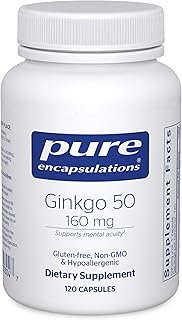
Navigating midlife and menopause often brings new experiences with stress and changes in cognitive function, sometimes described as ‘brain fog.’ For those exploring plant-based options, adaptogens like Ginkgo biloba and Rhodiola rosea are often discussed. These botanicals are recognized for their potential to help the body adapt to various stressors.
This article will explore the current understanding of Ginkgo biloba and Rhodiola rosea, comparing their potential roles in supporting well-being during this life stage. We’ll focus on what the available evidence suggests regarding their effects on stress response and cognitive aspects, without making definitive claims or offering medical advice.
Understanding Adaptogens: Ginkgo Biloba and Rhodiola Rosea
Adaptogens are a category of botanicals that are thought to help the body maintain balance when faced with physical, chemical, or biological stressors. Both Ginkgo biloba and Rhodiola rosea are often classified as adaptogens, though they have distinct profiles and traditional uses. Ginkgo biloba, derived from the leaves of the Ginkgo tree, has a long history of use in traditional medicine, particularly for supporting cognitive function and circulation. Rhodiola rosea, also known as ‘golden root,’ is traditionally used in various cultures to help with fatigue and promote resilience under stress [1].
The mechanisms by which adaptogens exert their effects are complex and may involve modulating the hypothalamic-pituitary-adrenal (HPA) axis, a central stress response system in the body [2]. While both plants are considered adaptogenic, their specific bioactive compounds and pathways of action can differ, leading to potentially varied effects on the body and mind.

Ginkgo Biloba: Focus on Cognitive Function and Circulation
Ginkgo biloba is frequently studied for its potential effects on cognitive processes. Its bioactive compounds, primarily flavonoids and terpenoids, are thought to contribute to its observed actions. Research suggests Ginkgo biloba may support brain health through various mechanisms, including antioxidant properties and modulating neuroinflammation [3].
Some evidence indicates that Ginkgo biloba may be beneficial for aspects of cognitive impairment and fatigue [1]. It is also explored for its potential role in conditions that involve depressive disorders, possibly through pathways that affect monoaminergic systems, neurotrophic factors, and inflammation [4]. For women experiencing ‘brain fog’ during midlife or menopause, these potential effects on cognitive function and circulation are often of interest.
Rhodiola Rosea: Supporting Stress Response and Fatigue
Rhodiola rosea is primarily recognized for its potential to support the body’s response to stress and reduce fatigue. Its active compounds, such as rosavins and salidroside, are believed to contribute to its adaptogenic properties. Rhodiola has been investigated for its ability to modulate the HPA axis, which is central to the body’s stress response [2].

Studies have explored Rhodiola rosea’s potential to help with fatigue and promote resilience, particularly in stressful situations [1]. It has also been considered in the context of depressive disorders, with research suggesting it may impact monoaminergic, neurotrophic, and anti-inflammatory pathways, potentially supporting overall brain health [4]. For women navigating the increased demands and stress often associated with midlife and menopause, Rhodiola’s focus on stress and fatigue can be particularly relevant.

Comparing Ginkgo and Rhodiola for Midlife Concerns
When considering ginkgo vs rhodiola for midlife and menopause, it’s helpful to look at their distinct, yet sometimes overlapping, areas of potential support. Ginkgo biloba appears to have a more pronounced focus in research on cognitive function, circulation, and antioxidant effects in the brain [3]. This could be relevant for those primarily concerned with ‘brain fog’ or maintaining mental clarity.
Rhodiola rosea, on the other hand, is more often highlighted for its adaptogenic properties specifically related to stress reduction and combating fatigue [1]. For women experiencing heightened stress levels, mood fluctuations, or persistent tiredness during midlife, Rhodiola might align more closely with those particular needs. Both botanicals have been examined for their potential in addressing aspects of depressive disorders, suggesting some shared pathways in supporting brain health [4]. However, the primary emphasis in research often differs between them.
Synergies and Considerations
It’s worth noting that some research explores the combined use of botanicals, including Ginkgo biloba and Rhodiola rosea. For instance, a 2024 review discussed both Ginkgo biloba and Rhodiola rosea as multi-target drugs for cognitive impairment and fatigue, suggesting potential complementary actions [1]. Another study in rats explored a supplement containing Rhodiola rosea, among other ingredients, and found it mitigated chronic stress-induced neuroinflammation and improved stress-related behaviors [5]. This suggests that in some contexts, these botanicals might be considered together, or as part of broader formulations.
When choosing between ginkgo vs rhodiola, or considering their combined use, it’s important to reflect on individual needs and specific concerns. The ‘moderate’ strength of evidence for this topic means that while there is promising research, more extensive human trials are often needed to fully understand their efficacy and optimal applications for midlife women. Always consider individual health status and discuss with a healthcare provider before introducing any new supplement.
References
- Multi-target drugs for the treatment of cognitive impairment and fatigue in post-COVID syndrome: focus on Ginkgo biloba and Rhodiola rosea. Journal of neural transmission (Vienna, Austria : 1996), 2024
- Modulation of the hypothalamic-pituitary-adrenal (HPA) axis by plants and phytonutrients: a systematic review of human trials. Nutritional neuroscience, 2022
- From Plants to Psycho-Neurology: Unravelling the Therapeutic Benefits of Bioactive Compounds in Brain Disorders. Antioxidants (Basel, Switzerland), 2023
- Rhodiola rosea, Ginkgo biloba, and Ashwagandha as novel antidepressant supplements: converging monoaminergic, neurotrophic, anti-inflammatory, and brain health pathways in depressive disorders. Frontiers in nutrition, 2026
- Kiperin Mind Focus supplement mitigates chronic stress-induced neuroinflammation and molecular dysregulation and improves stress-related affective and exploratory behaviors in rats. Frontiers in integrative neuroscience, 2025
These statements have not been evaluated by the Food and Drug Administration. This information is not intended to diagnose, treat, cure, or prevent any disease. Content is for informational purposes only and is not medical advice; consult a qualified healthcare provider before starting any supplement. As an Amazon Associate we earn from qualifying purchases.