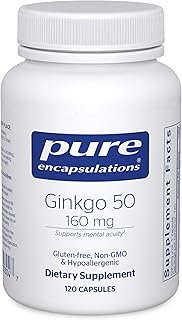
Navigating midlife and menopause often brings a focus on maintaining well-being and cognitive function. Ginkgo biloba, a botanical extract, has been studied for various potential benefits, particularly concerning cognitive health. Understanding appropriate ginkgo biloba dosage for women is a common question, especially when considering integrating it into a wellness routine.
This article aims to provide an evidence-based overview of ginkgo biloba dosages that have been explored in clinical research. We’ll delve into typical daily amounts, how to potentially start, and what to consider for individual circumstances, always emphasizing a careful and informed approach.
Understanding Ginkgo Biloba Extracts and Standardization
When discussing ginkgo biloba, it’s important to recognize that most research focuses on standardized extracts, particularly EGb 761®. This specific extract is typically standardized to contain 24% ginkgo flavone glycosides and 6% terpene lactones. This standardization helps ensure consistency in the compounds being studied, which is crucial for interpreting research findings and considering product quality.
The standardization process means that the active compounds are present in consistent amounts, allowing for more reliable comparisons between studies and potentially more predictable effects. When choosing a ginkgo biloba product, looking for a standardized extract, such as EGb 761®, can be a helpful consideration to align with the type of ginkgo used in much of the clinical evidence.
Common Clinical Ginkgo Biloba Dosages for Cognitive Support
Clinical studies investigating ginkgo biloba for cognitive support in adults have explored a range of dosages. Studies of general cognitive function and memory have used a range of doses of standardized ginkgo biloba extract, in some cases given as a single dose shortly before testing [1]. For example, one study examined the effects of single 320 mg and 600 mg doses of EGb 761 in elderly subjects, finding that both doses had an effect on certain cognitive tests [1].
Higher dosages have also been investigated in specific contexts. In a study focusing on chronic cerebroretinal ischemia in elderly patients, a graduated dose treatment of EGb 761 was utilized, with one group starting at 80 mg/day and increasing to 160 mg/day and another group receiving 160 mg/day throughout [2]. This suggests that dosages can vary depending on the specific area of focus and individual needs.
Ginkgo Biloba Dosage in Studies for Sexual Function in Women
Beyond cognitive health, ginkgo biloba has also been explored for its potential influence on sexual function. One study specifically investigated the effects of Ginkgo biloba extract on sexual dysfunction in women. Participants in the long-term part of this study received 300 mg of ginkgo biloba extract daily [3]. This particular dosage was administered over a period of 8 weeks in the long-term arm, while a single dose was used to look at short-term effects on various aspects of sexual function [3].
It’s important to note that this research involved a specific population and a particular dosage. While the findings from this study suggest potential areas for further exploration, it highlights a specific ginkgo biloba dosage that has been clinically examined for its potential role in women’s sexual well-being.
How to Potentially Start with Ginkgo Biloba Dosage for Women
When considering starting ginkgo biloba, a common approach in studies has been to begin with a lower daily dosage and potentially increase it over time, if appropriate and well-tolerated. Starting low is a cautious approach, although some studies have used single doses given shortly before testing rather than a gradual build-up [1]. This approach allows the body to gradually adjust and helps in observing individual responses.
It is always sensible to start with the lowest suggested effective dose and monitor how your body responds. As seen in some clinical trials, dosages may be gradually increased over several weeks under professional guidance [2]. However, any adjustments should be made carefully and with consideration of individual circumstances and other health factors.
Duration of Use and Considerations for Women in Midlife
The duration of ginkgo biloba use in clinical studies has varied significantly, ranging from several weeks to many months or even longer. For instance, studies examining cognitive effects have varied from single doses given before testing to longer courses [1]. The long-term part of the study on sexual function in women lasted 8 weeks [3].
For women in midlife and menopause, consistency in use, if chosen, may be a factor in observing potential benefits. However, it’s crucial to remember that individual responses can vary, and what works for one person may not work for another. Regular review of any dietary supplement regimen with a healthcare provider is always recommended.


References
- Effect of two doses of ginkgo biloba extract (EGb 761) on the dual-coding test in elderly subjects. Clinical therapeutics, 1993
- [Therapeutic follow-up using automatic perimetry in chronic cerebroretinal ischemia in elderly patients. Prospective double-blind study with graduated dose ginkgo biloba treatment (EGb 761)]. Klinische Monatsblatter fur Augenheilkunde, 1991
- Short- and long-term effects of Ginkgo biloba extract on sexual dysfunction in women. Archives of sexual behavior, 2008
These statements have not been evaluated by the Food and Drug Administration. This information is not intended to diagnose, treat, cure, or prevent any disease. Content is for informational purposes only and is not medical advice; consult a qualified healthcare provider before starting any supplement. As an Amazon Associate we earn from qualifying purchases.