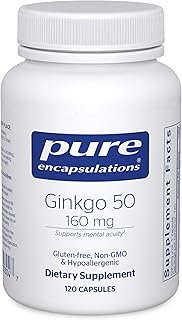
Ginkgo biloba has been used for centuries, with its potential effects often attributed to a group of unique compounds. When considering ginkgo biloba, understanding these active components can help clarify how it might support overall well-being.
This article will explore the primary ginkgo biloba active compounds: flavonoids and terpenoids. We’ll delve into what these compounds are and how they are believed to contribute to the plant’s properties, particularly for women navigating midlife and menopause.
What Are Ginkgo Biloba Active Compounds?
The complex mixture of substances found in Ginkgo biloba contributes to its potential effects. Specifically, standardized Ginkgo biloba extracts, such as EGb 761, are often formulated to contain specific concentrations of these key components [1]. These include a range of flavonoids and terpenoids, which are believed to work synergistically.
Research suggests that the multifaceted therapeutic benefits of Ginkgo biloba are linked to its chemical composition, particularly these flavonoid and terpenoid constituents [2]. Understanding these components is crucial for appreciating the potential applications of ginkgo biloba.
Flavonoids: Antioxidant Potential in Ginkgo Biloba
Flavonoids are a large group of plant compounds known for their antioxidant properties. In Ginkgo biloba, these flavonoids are a significant part of its active profile [2]. They are thought to help protect cells from oxidative stress, a process that can contribute to cellular aging.
Studies have explored the antioxidant activities of different ingredients within Ginkgo biloba extract (EGb 761), indicating that flavonoids contribute to these effects [3]. This potential to support cellular health is one reason why flavonoids are a key focus when discussing ginkgo biloba’s properties.
Some research suggests that flavonoid metabolites can offer complementary support for cardiovascular health, particularly during periods of stress to the heart [4]. These findings highlight the potential role of ginkgo biloba’s flavonoid content in supporting various bodily functions.
Terpenoids: Ginkgolides and Bilobalide
Beyond flavonoids, terpenoids represent another major class of ginkgo biloba active compounds. The primary terpenoids found in Ginkgo biloba are ginkgolides and bilobalide [2]. These compounds are unique to the Ginkgo tree and are often standardized in extracts like EGb 761 [1].
Ginkgolides and bilobalide are believed to play a role in various physiological processes. For instance, some research suggests that ginkgolides can influence dopamine levels in the brain’s prefrontal cortex [5]. Bilobalide has also been investigated for its potential neuroprotective effects [6][7].
Similar to flavonoids, terpenoid constituents have been observed to offer complementary support for cardiovascular health during specific conditions [4]. The distinct structures of ginkgolides and bilobalide contribute to the overall spectrum of effects attributed to Ginkgo biloba.

Synergy of Flavonoids and Terpenoids
It is generally understood that the potential benefits of Ginkgo biloba are not solely due to one type of compound, but rather the synergistic interaction of its various constituents. Both flavonoids and terpenoids are considered important for the overall profile of Ginkgo biloba extracts [2].
The combination of these ginkgo biloba active compounds may contribute to its observed effects, such as those related to supporting cognitive function or cellular health [8]. This holistic perspective suggests that the whole extract may offer a broader range of support than individual isolated compounds.
Standardized Extracts and Compound Quantitation
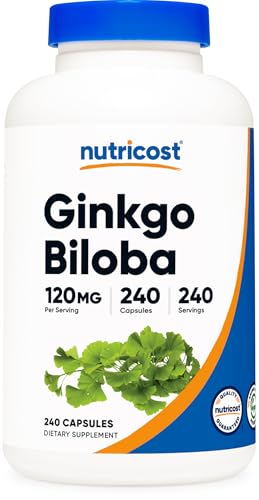
To ensure consistency, many Ginkgo biloba products are sold as standardized extracts, such as EGb 761. These extracts are typically standardized to contain specific percentages of ginkgo flavone glycosides (a type of flavonoid) and terpene lactones (ginkgolides and bilobalide) [1][9]. This standardization aims to provide a consistent amount of the ginkgo biloba active compounds.
Advances in analytical techniques, such as online SPE-LC-MS/MS methods, allow for the precise quantitation of these drug-derived components in biological samples after administration [10]. This capability helps researchers understand how these compounds are absorbed and utilized within the body, further informing our understanding of ginkgo biloba’s potential effects.

References
- EGb 761: ginkgo biloba extract, Ginkor. Drugs in R&D, 2003
- Multifaceted therapeutic benefits of Ginkgo biloba L.: chemistry, efficacy, safety, and uses. Journal of food science, 2008
- Comparative anticancer and antioxidant activities of different ingredients of Ginkgo biloba extract (EGb 761). Planta medica, 2009
- Complementary cardioprotective effects of flavonoid metabolites and terpenoid constituents of Ginkgo biloba extract (EGb 761) during ischemia and reperfusion. Basic research in cardiology, 2000
- The Ginkgo biloba extract EGb 761(R) and its main constituent flavonoids and ginkgolides increase extracellular dopamine levels in the rat prefrontal cortex. British journal of pharmacology, 2010
- Nanodelivery of traditional Chinese Gingko Biloba extract EGb-761 and bilobalide BN-52021 induces superior neuroprotective effects on pathophysiology of heat stroke. Progress in brain research, 2021
- TiO(2)-Nanowired Delivery of Chinese Extract of Ginkgo biloba EGb-761 and Bilobalide BN-52021 Enhanced Neuroprotective Effects of Cerebrolysin Following Spinal Cord Injury at Cold Environment. Advances in neurobiology, 2023
- Protective Potential of Ginkgo biloba Against an ADHD-like Condition. Current molecular pharmacology, 2021
- Ginkgo. , 2006
- Multiplex quantitation of 17 drug-derived components in human plasma after administration of a fixed herbal preparation of Sailuotong using combined online SPE-LC-MS/MS methods. Journal of ethnopharmacology, 2023
These statements have not been evaluated by the Food and Drug Administration. This information is not intended to diagnose, treat, cure, or prevent any disease. Content is for informational purposes only and is not medical advice; consult a qualified healthcare provider before starting any supplement. As an Amazon Associate we earn from qualifying purchases.