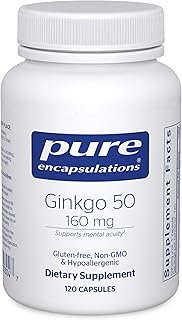
Many women navigating perimenopause and menopause report experiencing changes in their cognitive function, often described as ‘brain fog’ or difficulty with memory recall. This can be a frustrating aspect of midlife, leading some to explore various supplements, including ginkgo biloba, in the hope of supporting their memory.
Ginkgo biloba is a popular herbal supplement derived from the leaves of the ginkgo tree. It has been studied for its potential effects on cognitive function, but the research specifically focusing on women during perimenopause is still developing. This article will review the existing evidence regarding ginkgo biloba and memory during this unique life stage.
Understanding Perimenopausal Memory Changes
Perimenopause is the transitional phase leading up to menopause, characterized by fluctuating hormone levels, particularly estrogen. These hormonal shifts are thought to contribute to a range of symptoms, including changes in mood, sleep, and cognitive function. While memory concerns during this time are common, it’s important to understand that research into specific interventions for these changes is ongoing.

Ginkgo Biloba and General Cognitive Function: A Broader Look
Before delving into perimenopause specifically, it’s helpful to consider the general research on ginkgo biloba and cognitive function. Some studies have explored ginkgo’s effects on memory in various populations. For instance, a randomized controlled trial published in JAMA in 2002 investigated ginkgo for memory enhancement, but found no evidence that it improved memory in healthy adults with normal cognitive function [1].
However, other research has looked at ginkgo biloba in individuals experiencing age-associated memory impairment. One study from 1995 observed effects of ginkgo biloba on event-related potentials (P300) in individuals with age-associated memory impairment, suggesting a potential area for further exploration [2]. It’s important to note that these findings are not specific to perimenopausal women and may involve different cognitive profiles.

Ginkgo Biloba Research in Postmenopausal Women
While direct studies on ginkgo biloba for memory during perimenopause are limited, some research has focused on postmenopausal women, which can offer some insights, though not directly applicable to the perimenopausal phase. A 2003 study explored the effects of one-week treatment with Ginkgo biloba on cognition and mood in postmenopausal women [3]. The findings from this particular study might indicate short-term effects, but more extended research is often needed to draw firm conclusions.
Conversely, another study from 2005 investigated cognitive benefits in postmenopausal women (Stage +2) after six weeks of treatment with Ginkgo biloba, finding limited cognitive benefits [4]. This suggests that the impact of ginkgo biloba on memory in postmenopausal women may be modest or vary depending on the duration of treatment and the specific cognitive measures assessed. These differing results highlight the complexity of studying herbal supplements and the need for more consistent findings across various research designs.

A combination supplement containing Ginkgo biloba and Panax ginseng, known as Gincosan, was also studied for its effects on mood and cognition in postmenopausal women. This research observed the effects of 6 and 12 weeks’ treatment, which could suggest that specific formulations or combinations might have different outcomes than ginkgo biloba alone [5].
Safety Considerations and Potential Interactions
Ginkgo biloba is generally considered safe for many individuals, but it’s not without potential side effects or interactions. One review from 2001 discussed the efficacy, safety, and use of ginkgo biloba in clinical and preclinical applications, providing a broader overview of its characteristics [6].
It is known that ginkgo biloba may interact with certain medications, particularly blood thinners, due to its potential effects on blood clotting. For example, a study from 2010 looked at the effect of Ginkgo biloba on blood pressure and incidence of hypertension in elderly men and women, indicating its potential physiological impacts that could be relevant when considering medication interactions [7]. Given these potential interactions, it is always advisable to consult with a healthcare provider before starting any new supplement, especially if you are taking other medications or have underlying health conditions.
References
- Ginkgo for memory enhancement: a randomized controlled trial. JAMA, 2002
- Cognitive psychophysiology in nootropic drug research: effects of Ginkgo biloba on event-related potentials (P300) in age-associated memory impairment. Pharmacopsychiatry, 1995
- Effects on cognition and mood in postmenopausal women of 1-week treatment with Ginkgo biloba. Pharmacology, biochemistry, and behavior, 2003
- Limited cognitive benefits in Stage +2 postmenopausal women after 6 weeks of treatment with Ginkgo biloba. Journal of psychopharmacology (Oxford, England), 2005
- Gincosan (a combination of Ginkgo biloba and Panax ginseng): the effects on mood and cognition of 6 and 12 weeks’ treatment in post-menopausal women. Nutritional neuroscience, 2004
- Efficacy, safety, and use of ginkgo biloba in clinical and preclinical applications. Alternative therapies in health and medicine, 2001
- Effect of Ginkgo biloba on blood pressure and incidence of hypertension in elderly men and women. American journal of hypertension, 2010
These statements have not been evaluated by the Food and Drug Administration. This information is not intended to diagnose, treat, cure, or prevent any disease. Content is for informational purposes only and is not medical advice; consult a qualified healthcare provider before starting any supplement. As an Amazon Associate we earn from qualifying purchases.