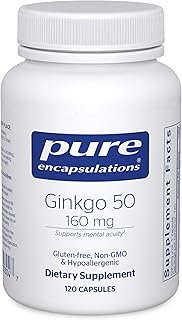
For women navigating midlife and menopause, exploring natural supplements like ginkgo biloba often comes with questions about safety, especially when other medications are involved. A common concern revolves around the potential for ginkgo biloba to interact with anticoagulant medications, often referred to as blood thinners.
This guide provides an evidence-based look at the considerations surrounding ginkgo biloba and anticoagulants such as Eliquis (apixaban) and Xarelto (rivaroxaban). Understanding these potential interactions is crucial for making informed decisions about your health and supplement choices.
What are Anticoagulants and Why Are They Prescribed?
Anticoagulants are medications designed to reduce the blood’s ability to form clots. They are commonly prescribed for various conditions, including atrial fibrillation, deep vein thrombosis (DVT), pulmonary embolism (PE), and after certain surgeries to prevent clot formation. Medications like apixaban (Eliquis) and rivaroxaban (Xarelto) are examples of direct oral anticoagulants (DOACs), which are widely used.
The primary goal of these medications is to lower the risk of serious health events like strokes or heart attacks caused by blood clots. Because of their critical role in influencing blood clotting, any substance that might alter their effectiveness or increase bleeding risk needs careful consideration.
Ginkgo Biloba and Its Traditional Uses
Ginkgo biloba, derived from the leaves of the ginkgo tree, has a long history of use in traditional medicine. It is often explored for its potential influence on cognitive function and circulation. Many women in midlife and menopause consider ginkgo for various reasons, including supporting mental clarity or overall well-being.
The active compounds in ginkgo biloba extracts are thought to include flavonoids and terpenoids, which are believed to contribute to its observed effects. However, like any biologically active substance, ginkgo carries the potential for interactions with other medications, particularly those that influence blood clotting.

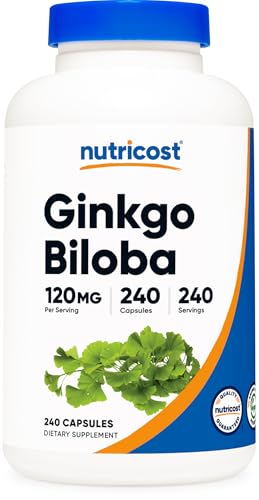
The Potential for Ginkgo Anticoagulants Interaction
The interaction between ginkgo biloba and anticoagulant medications is a significant safety concern that has been studied. Research suggests that ginkgo biloba can influence coagulation profiles and may be linked to bleeding risk when taken with certain blood-thinning drugs [1]. The evidence comes from one hospital-based retrospective study, which found the clearest link with antiplatelet drugs and no statistically significant interaction with anticoagulants specifically, so caution is still sensible.
Specific studies have analyzed the impact of ginkgo biloba drug interactions on bleeding risk and coagulation profiles. A comprehensive analysis indicated that ginkgo biloba can affect parameters related to blood clotting, which is relevant for individuals taking blood thinners, although interactions with anticoagulants including direct oral anticoagulants were not statistically significant in that analysis [1]. Whether combining ginkgo with these specific medications raises bleeding risk was not shown in that analysis, but the possibility is still a reason for caution.

The mechanism behind this interaction is thought to involve ginkgo’s potential influence on platelet function and other factors within the coagulation cascade. While the exact extent of the interaction can vary, a hospital-based retrospective analysis linked ginkgo drug interactions to a higher risk of bleeding, most clearly with antiplatelet drugs such as clopidogrel and aspirin, while interactions with anticoagulants specifically did not reach statistical significance in that analysis, so caution with any blood thinner is still sensible [1].
Understanding the Increased Bleeding Risk
An increased bleeding risk means that an individual may be more prone to bruising, nosebleeds, or prolonged bleeding from minor cuts. More serious bleeding events, though less common, can also occur internally, such as gastrointestinal bleeding or intracranial hemorrhage, which require immediate medical attention. For someone taking an anticoagulant like Eliquis or Xarelto, maintaining the medication’s intended effect without increasing adverse outcomes is paramount.
The comprehensive analysis highlighted that the impact of ginkgo biloba on bleeding risk and coagulation profiles is a critical consideration for patient safety, especially for those on antiplatelet or anticoagulant therapy [1]. This underscores the importance of a thorough discussion with a healthcare provider before considering ginkgo biloba if you are taking blood thinners.
Safety Recommendations and What to Discuss with Your Doctor
Given the reported link between ginkgo drug interactions and bleeding risk, and the uncertainty about anticoagulants specifically, it is generally recommended to exercise extreme caution or avoid combining ginkgo biloba with anticoagulant medications. This includes prescription blood thinners such as apixaban (Eliquis), rivaroxaban (Xarelto), dabigatran (Pradaxa), edoxaban (Savaysa), and warfarin (Coumadin).
Before considering ginkgo biloba, or any new supplement, if you are currently taking an anticoagulant, it is essential to have a detailed conversation with your healthcare provider. They can assess your individual health profile, the specific anticoagulant you are taking, and the potential risks and benefits. Do not stop or start any medication or supplement without consulting your doctor.
Your doctor may advise monitoring for signs of increased bleeding, adjusting medication dosages, or recommending alternative approaches. Transparency with your healthcare team about all supplements and medications you are taking, or considering, is vital for your safety and well-being.
References
- Impact of Ginkgo biloba drug interactions on bleeding risk and coagulation profiles: A comprehensive analysis. PloS one, 2025
These statements have not been evaluated by the Food and Drug Administration. This information is not intended to diagnose, treat, cure, or prevent any disease. Content is for informational purposes only and is not medical advice; consult a qualified healthcare provider before starting any supplement. As an Amazon Associate we earn from qualifying purchases.