If you’ve read about ginkgo biloba research, you’ve likely encountered the term EGb 761. This isn’t a random code—it’s a specific, standardized extract of ginkgo leaves that has become the focus of clinical trials worldwide. Understanding what EGb 761 is and how it differs from other ginkgo products can help you make sense of the research you’re reading, especially as you navigate midlife and menopause.
This article explores EGb 761: what makes it standardized, why researchers choose it for studies, and what the evidence currently shows about its effects on cognition, circulation, and overall wellbeing. We’ll keep the discussion grounded in actual findings, without overstatement or marketing language.
What Is EGb 761?
EGb 761 is a proprietary, standardized extract of Ginkgo biloba leaves developed and manufactured in Germany. ‘Standardized’ means its chemical composition is consistent from batch to batch—a critical feature for rigorous scientific research. Unlike over-the-counter ginkgo supplements, which vary widely in their active compounds, EGb 761 is produced under strict pharmaceutical standards [1].
The extract is prepared using specific solvents and processes to concentrate certain compounds found in ginkgo leaves, particularly flavone glycosides and terpene lactones. This consistency is why EGb 761 appears in the majority of clinical trials examining ginkgo’s effects. Researchers can rely on the same product composition across studies, making results more comparable and meaningful [2].
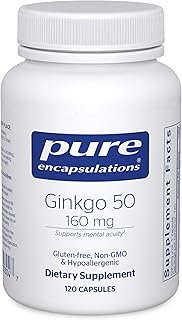
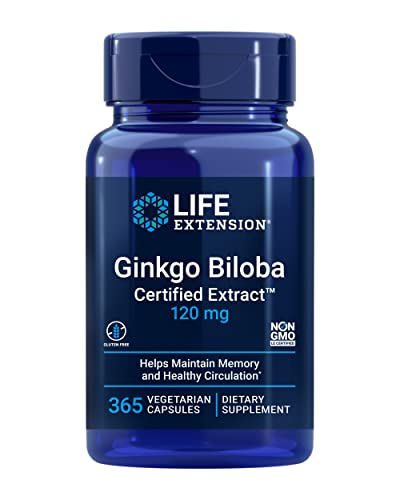
Because EGb 761 is standardized and pharmaceutical-grade, it is not identical to the ginkgo supplements you might purchase at a health store. The research findings discussed in this article apply specifically to EGb 761, not necessarily to other ginkgo products with different extraction methods or concentrations.
Why Researchers Use EGb 761
Standardization is essential in clinical research. When a study examines whether a treatment works, researchers need to know exactly what dosage and formulation participants received. EGb 761’s consistent composition allows scientists to draw clear conclusions about cause and effect. Without standardization, it would be impossible to know whether differences in results between studies were due to actual biological effects or simply variations in the product being tested [1].
EGb 761 has also accumulated the largest body of clinical evidence among ginkgo extracts, making it the natural choice for further investigation. This creates a feedback loop: more research uses EGb 761, more data accumulates, and more researchers choose it for future studies. For someone reading the literature on ginkgo and cognitive health or circulation, EGb 761 will appear repeatedly in the studies you encounter.
EGb 761 and Cognitive Function After Stroke
One area of active research involves how EGb 761 may support cognition following ischemic stroke. A pilot randomized trial found that participants who received EGb 761 showed improvements in cognitive measures and overall condition compared to a control group [3]. While this is promising, it’s important to note that this was a pilot study—a smaller initial trial designed to test feasibility and gather preliminary data, not a definitive proof of benefit.
Stroke recovery is complex, and cognitive changes after stroke involve multiple biological processes. The findings suggest EGb 761 may play a supportive role in some recovery pathways, but more research is needed before drawing firm conclusions. If you’ve experienced a stroke or are concerned about cognitive health after a vascular event, discussing EGb 761 with your healthcare provider is important; it is not a replacement for standard medical care.
EGb 761 in Dementia and Vascular Dementia
Several studies have examined EGb 761 in the context of dementia, particularly vascular dementia—cognitive decline linked to reduced blood flow in the brain. Research has explored EGb 761 both as a standalone treatment and when combined with acetylcholinesterase inhibitors, a standard class of dementia medications [4].
A pharmacoeconomic analysis in the Austrian healthcare setting examined the cost-effectiveness and clinical outcomes of EGb 761 in dementia care [5]. Such analyses help health systems understand whether treatments offer value alongside their efficacy. The findings contribute to a broader picture of how EGb 761 might fit into dementia management strategies, though individual results vary considerably.
It’s worth emphasizing: dementia is a serious neurological condition requiring professional diagnosis and ongoing medical care. While research on EGb 761 is encouraging in some respects, it is not a treatment for dementia and should never replace established medical evaluation and management. If you or someone you care for is experiencing memory loss or cognitive changes, consulting a neurologist or geriatric specialist is essential.
EGb 761’s Effects on Oxidative Stress
One of the proposed mechanisms by which ginkgo may exert biological effects is through reduction of oxidative stress—cellular damage caused by unstable molecules called free radicals. Oxidative stress is implicated in aging, neurological decline, and various chronic conditions. Preclinical research (studies in animals or cell cultures) has examined whether EGb 761 can mitigate oxidative stress in specific scenarios [6].
While animal studies provide valuable mechanistic insights, they do not directly translate to human health outcomes. The oxidative stress hypothesis is biologically plausible, but human clinical evidence for EGb 761’s effects on oxidative stress markers in everyday life and aging remains limited. This is an area where research is ongoing, and caution against overinterpreting early-stage findings is warranted.
What the Evidence Actually Shows—and Doesn’t
The research on EGb 761 is genuine and worth taking seriously, but it’s also important to be honest about its limits. Studies have shown measurable effects in specific populations—people recovering from stroke, those with vascular dementia, and in mechanistic studies of oxidative stress. However, evidence is strongest in these particular contexts, not across all aspects of health or aging.

For women navigating midlife and menopause, the question of whether EGb 761 helps with memory changes, focus, or cognitive clarity during this life stage is not well-established. While anecdotal reports abound, rigorous clinical trials in perimenopausal and postmenopausal women remain limited. This doesn’t mean EGb 761 is ineffective for these concerns—only that the evidence base is thinner than marketing claims might suggest.
The fact that EGb 761 is standardized and has substantial research behind it does not automatically mean it will work for any individual person, or that it represents a replacement for other evidence-based approaches to cognitive health, such as cardiovascular exercise, sleep quality, cognitive engagement, and social connection.

References
- EGb 761: ginkgo biloba extract, Ginkor. Drugs in R&D, 2003
- [Ginkgo biloba extract (EGb 761). State of knowledge in the dawn of the year 2000]. Annales pharmaceutiques francaises, 1999
- Ginkgo biloba extract EGb 761(®) improves cognition and overall condition after ischemic stroke: Results from a pilot randomized trial. Frontiers in pharmacology, 2023
- Benefits of Treatment with Ginkgo Biloba Extract EGb 761 Alone or Combined with Acetylcholinesterase Inhibitors in Vascular Dementia. Clinical drug investigation, 2022
- Ginkgo biloba extract EGb 761 in the treatment of dementia: a pharmacoeconomic analysis of the Austrian setting. Wiener klinische Wochenschrift, 2013
- Ginkgo biloba extract (EGb 761) mitigates methotrexate-induced testicular insult in rats: Targeting oxidative stress, energy deficit and spermatogenesis. Biomedicine & pharmacotherapy = Biomedecine & pharmacotherapie, 2021
These statements have not been evaluated by the Food and Drug Administration. This information is not intended to diagnose, treat, cure, or prevent any disease. Content is for informational purposes only and is not medical advice; consult a qualified healthcare provider before starting any supplement. As an Amazon Associate we earn from qualifying purchases.