Ginkgo biloba is one of the most widely studied botanical supplements in the world, valued for its unique mix of flavonoids and terpenoids that support circulation and cognitive function. Unlike many nutrients, however, ginkgo biloba is not meaningfully found across a broad range of common foods, which makes its dietary sourcing story quite different from that of vitamins or minerals. Understanding where ginkgo actually comes from in nature, and how diet can support the pathways it influences, helps you make informed decisions about whether food alone is sufficient for your goals.
What Exactly Is Ginkgo Biloba?
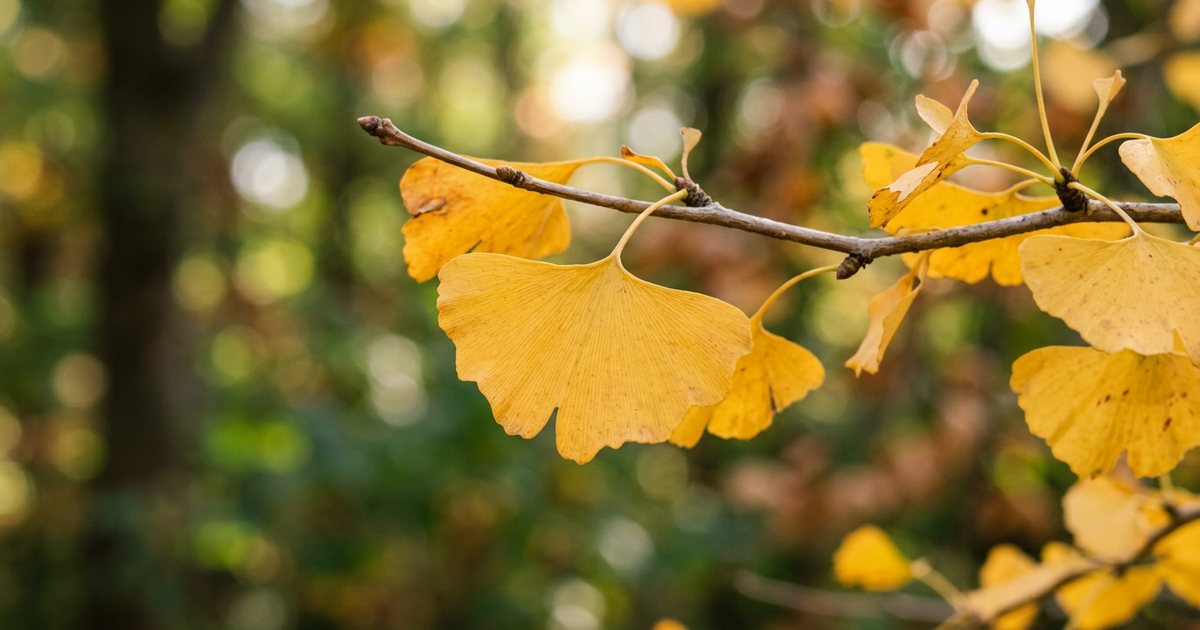
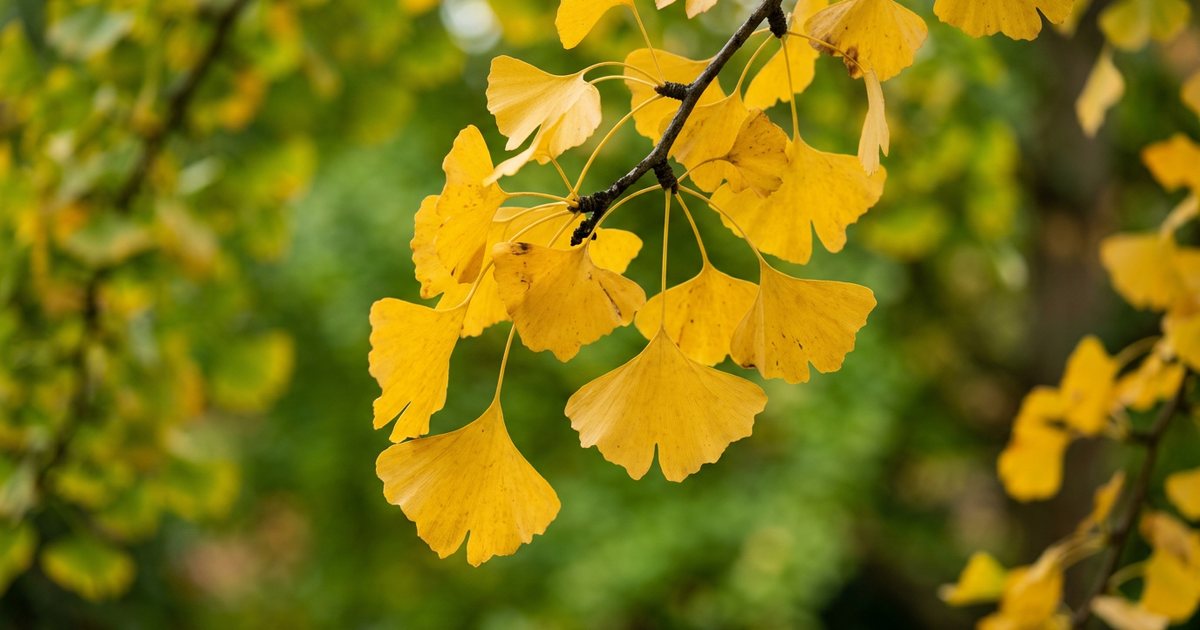
Ginkgo biloba is a tree species, often called the maidenhair tree, that has existed for over 200 million years and is considered a living fossil. The medically relevant compounds are concentrated in the leaves of the tree, particularly two classes of active constituents:
- Flavonol glycosides (including quercetin, kaempferol, and isorhamnetin derivatives)
- Terpene lactones (ginkgolides A, B, C and bilobalide), which are largely unique to the ginkgo tree
These terpene lactones, especially the ginkgolides, are found almost exclusively in the Ginkgo biloba tree and are not replicated by other commonly eaten plants. This is a critical point: when people search for foods high in ginkgo biloba, the honest answer is that no everyday food provides the full spectrum of ginkgo’s signature compounds at therapeutic concentrations. The tree itself is the source.
Direct Dietary Sources of Ginkgo Biloba
Ginkgo Seeds (Bai Guo)
The seeds of the ginkgo tree, known in traditional Chinese cuisine as bai guo, are the most direct food source of ginkgo-related compounds. They are used in dishes such as congee, tofu soups, and stir-fries across East Asian cooking traditions. However, there is an important distinction to make, and it is a safety one as much as a nutritional one. The seeds contain far lower concentrations of the therapeutic flavonoids and terpenes found in standardised leaf extracts, and they also contain ginkgotoxin (4’-O-methylpyridoxine, or MPN), a vitamin B6 antagonist that blocks the conversion of B6 into its active form, pyridoxal-5’-phosphate, and can cause vomiting and tonic-clonic seizures when too many seeds are eaten.[1]
A widely repeated piece of advice is that ginkgo seeds are safe so long as they are cooked. The case literature does not support that. Heating reduces the toxin but does not remove it — controlled heat treatment of ginkgo seed extract at 90–150 °C for up to an hour lowered MPN content without eliminating it[2] — and the documented poisonings include people who ate the seeds roasted: a 64-year-old woman who developed generalized convulsions after eating 50 roasted seeds[3] and a 2-year-old who vomited and convulsed four hours after eating a large number of roasted nuts[4]. The variables that actually govern the risk are how many seeds are eaten and who is eating them, not whether they were cooked.
There is no established safe serving size, and the published cases are the only honest anchor available: reported poisonings have followed roughly 20–30 seeds in a 2-year-old[5] and around 50 seeds in an adult[3]. Young children are the group most often affected, because they reach a toxic dose at a far smaller serving than an adult would[1]. The poisoning is treatable and responds to vitamin B6 given as pyridoxine or pyridoxal phosphate, so seizures or repeated vomiting after a meal containing ginkgo seeds should be treated as a medical emergency and the ginkgo mentioned to the treating clinician[6][7]. MPN is also not the only compound of concern in the seed: reviews of ginkgo seed processing additionally identify ginkgotoxin-5’-glucoside, ginkgolic acid, an allergenic glycoprotein, and amygdalin-derived cyanide among the constituents that preparation methods are designed to reduce[8].
None of this transfers to standardised leaf-extract supplements. The seizure cases described above are seed poisonings; the supplements discussed elsewhere on this site are made from ginkgo leaves and are not what those case reports describe.
Ginkgo Leaf Tea
In some parts of Asia and among herbal tea enthusiasts, dried ginkgo leaves are brewed into a tea. This does provide low amounts of ginkgo flavonoids, but the concentration is highly variable and is not comparable to standardised extract supplements. Tea prepared from non-standardised dried leaves cannot reliably deliver the 24% flavonol glycosides and 6% terpene lactones typically found in regulated supplement products.
| Source | Relevant Compounds | Approximate Availability | Practical Notes |
|---|---|---|---|
| Ginkgo seeds (bai guo), cooked | Low ginkgolides, flavonoids | Low to moderate | Cooking lowers but does not remove the seed toxin; keep servings small and keep seeds away from young children |
| Ginkgo leaf tea | Variable flavonoids | Low and inconsistent | Not standardised; unreliable for therapeutic use |
| Foods rich in quercetin (onions, apples, capers) | Quercetin (related flavonoid) | Moderate to high | Supports similar antioxidant pathways, not a ginkgo substitute |
| Foods rich in kaempferol (kale, broccoli, tea) | Kaempferol (related flavonoid) | Moderate | Overlapping flavonoid chemistry; good general dietary support |
| Standardised ginkgo leaf extract (supplement) | Flavonol glycosides, terpene lactones | Consistent and high | Only reliable way to reach studied concentrations |
Related Flavonoids Found in Food
While no common food fully replicates ginkgo biloba’s compound profile, several flavonoids that are structurally related to those in ginkgo leaf are found in everyday plant foods. These do not replace ginkgo, but they support overlapping antioxidant and vascular mechanisms. If your interest in ginkgo is rooted in general circulatory and cognitive support, building a flavonoid-rich diet makes nutritional sense alongside any supplementation strategy.
Quercetin-Rich Foods
- Capers (one of the richest known dietary sources)
- Red onions and yellow onions
- Apples (particularly with skin)
- Kale and other leafy brassicas
- Green tea and black tea
Kaempferol-Rich Foods
- Kale, spinach, and Swiss chard
- Broccoli and Brussels sprouts
- Green tea
- Beans and lentils
These flavonoids are well documented in the nutritional literature. For further reading on flavonoid content in foods, the NIH Office of Dietary Supplements maintains a comprehensive list of botanical and nutrient fact sheets that can help contextualize these compounds within your broader diet.
You can also explore how these compounds interact with overall health in our section on ginkgo biloba benefits and science.
Who Struggles to Get Enough Ginkgo From Diet Alone?
In straightforward terms: nearly everyone. Because the unique terpene lactones in ginkgo biloba are not found in common foods, and because the relevant leaf compounds require specific processing and standardisation to reach therapeutic concentrations, dietary intake alone is universally insufficient for anyone seeking the effects studied in clinical research. This is not a situation comparable to, say, vitamin C deficiency, where eating more citrus fruit can address a shortfall.
Specific groups who are least likely to encounter even low ginkgo intake through food include:
- People following Western diets with no exposure to traditional East Asian cuisines
- Those who do not consume herbal teas or plant-based traditional preparations
- Individuals in regions where ginkgo trees are not cultivated or used in local food culture
Even within East Asian dietary traditions where ginkgo seeds are used, the amounts consumed in food are well below those used in clinical trials of ginkgo leaf extract. This gap is substantial, not marginal.
How Dietary Sources Compare to Supplements
Standardised ginkgo biloba extract, most commonly labeled EGb 761 in the research literature, is produced from dried ginkgo leaves through a controlled extraction process that concentrates flavonol glycosides and terpene lactones to specific percentages. This standardisation is what allows researchers to conduct repeatable studies and what allows consumers to know what they are taking.
No food source currently achieves this kind of standardisation or concentration. Comparing ginkgo leaf tea to a standardised supplement is similar to comparing a chamomile tea to a precisely dosed pharmaceutical. The tea may contain some relevant compounds, but the dose, consistency, and bioavailability are not equivalent.
For those curious about how supplementation works in practice, our overview of ginkgo research and clinical evidence covers what the studies actually measured. If you are considering supplementation, reviewing our guide to ginkgo supplement forms and dosage is a sensible next step.
Supporting Ginkgo’s Mechanisms Through Diet
Even if food cannot deliver ginkgo itself, diet still matters for the health areas ginkgo is associated with. A diet rich in polyphenols, omega-3 fatty acids, and antioxidants supports vascular health and reduces oxidative stress through mechanisms that parallel ginkgo’s proposed actions. Foods that complement this framework include:
- Oily fish such as salmon and mackerel (omega-3 fatty acids for circulation)
- Berries, particularly blueberries and blackcurrants (anthocyanins for vascular support)
- Dark chocolate with high cocoa content (flavanols for blood flow)
- Green tea (EGCG and other catechins for antioxidant activity)
- Olive oil (oleocanthal and oleic acid for anti-inflammatory effects)
None of these replace ginkgo biloba, but they form a solid dietary foundation for the goals that often lead people to consider ginkgo supplementation in the first place.

Frequently Asked Questions
Are there any foods high in ginkgo biloba that I can eat regularly?
The only foods that contain ginkgo-specific compounds are ginkgo seeds and preparations made from ginkgo leaves, such as herbal tea. Ginkgo seeds are eaten in East Asian cuisines, but they carry a genuine seizure risk in quantity — one that cooking reduces without removing[2][3], so servings should be small and young children should not be given them freely. No mainstream grocery staple contains meaningful amounts of the compounds unique to ginkgo biloba.
Can I get the same benefits as ginkgo supplements just by eating more flavonoid-rich foods?
Not directly. While flavonoid-rich foods support many of the same general pathways, the terpene lactones in ginkgo, particularly the ginkgolides, are structurally unique to the ginkgo tree and are not found in other foods. The clinical research on ginkgo has been conducted using standardised extracts, so the evidence base applies specifically to those products rather than to dietary flavonoid intake in general.
Is ginkgo leaf tea a reasonable alternative to capsules or tablets?
Ginkgo leaf tea contains some relevant compounds, but the concentration and consistency are significantly lower than in standardised supplements. If you are drinking ginkgo tea for general wellness, this is likely fine. If you are looking to replicate the outcomes studied in clinical trials, a standardised extract is a more appropriate choice. Always consult a healthcare provider before starting any new supplement regimen.
Are ginkgo seeds safe to eat?
In small quantities they are a normal part of East Asian cooking, but the common belief that cooking is what makes them safe is not supported by the case reports. Ginkgo seeds contain ginkgotoxin (4’-O-methylpyridoxine), which interferes with vitamin B6 metabolism and can cause vomiting and tonic-clonic seizures[1], and it survives cooking: reported poisonings include a 64-year-old woman who ate 50 roasted seeds[3] and a 2-year-old who ate a large number of roasted nuts[4]. Quantity and age are what matter. Children have been poisoned by amounts an adult would tolerate, with cases reported after roughly 20–30 seeds in a 2-year-old[5]. Keep servings small, keep ginkgo seeds away from young children, and treat seizures or repeated vomiting after eating them as a medical emergency — the poisoning responds to vitamin B6[6]. This concerns the seeds only, not standardised leaf-extract supplements.
Who might benefit from ginkgo supplementation if diet is insufficient?
Anyone seeking the specific effects studied in ginkgo research, such as support for memory, circulation, or cognitive function in older adults, would need to rely on a standardised supplement rather than dietary sources. Older adults, those with limited dietary variety, and people in regions where ginkgo is not a culinary tradition have essentially no practical way to obtain meaningful ginkgo compounds through food alone. This is general information and is not a substitute for personalised medical advice.
References
- Food poisoning by Ginkgo seeds through vitamin B6 depletion. Yakugaku Zasshi (2019). PMID 30606915
- Effect of heat treatment on 4′-O-methylpyridoxine (MPN) content in Ginkgo biloba seed extract solution. Journal of the Science of Food and Agriculture (2018). PMID 29572951
- An adult case of generalized convulsions caused by the ingestion of Ginkgo biloba seeds with alcohol. Internal Medicine (2020). PMID 32132337
- Ginkgo nut intoxication in a 2-year-old male. Pediatric Neurology (2006). PMID 16996402
- Concentrations of various forms of vitamin B6 in ginkgo seed poisoning. Brain & Development (2019). PMID 30366747
- Epileptic seizure from ginkgo nut intoxication in an adult. Case Reports in Emergency Medicine (2020). PMID 32047675
- Ginkgotoxin induced seizure caused by vitamin B6 deficiency. Journal of Epilepsy Research (2015). PMID 26819944
- A critical review of current technologies used to reduce ginkgotoxin, ginkgotoxin-5′-glucoside, ginkgolic acid, allergic glycoprotein, and cyanide in Ginkgo biloba L. seed. Food Chemistry (2022). PMID 35176549
These statements have not been evaluated by the Food and Drug Administration. This information is not intended to diagnose, treat, cure, or prevent any disease. Content is for informational purposes only and is not medical advice; consult a qualified healthcare provider before starting any supplement. As an Amazon Associate we earn from qualifying purchases.