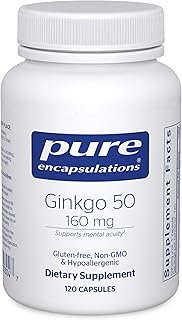
Ginkgo biloba trees have existed in roughly their current form for over 200 million years, earning the species the nickname ‘living fossil.’ Its use as a medicinal plant, however, has a much more specific and traceable history than the tree itself.
This post contains affiliate links. If you buy through them, we may earn a small commission at no extra cost to you. This does not influence what we recommend.
Traditional Use in China
Ginkgo seeds, not leaves, were the traditional focus in classical Chinese medicine, documented in texts going back several centuries, primarily for respiratory complaints. The leaf extract used in modern supplements is a distinct, 20th-century development, not a direct continuation of the seed-based traditional use, which is an important distinction that marketing copy sometimes blurs.
The Modern Extract: EGb 761
The standardized extract known as EGb 761 was developed by a German pharmaceutical company in the 1960s specifically to concentrate and standardize the flavone glycoside and terpene lactone content while removing ginkgolic acids. This extract, or close equivalents, is what almost all of the modern clinical trial base actually tested, which is why ‘standardized extract‘ matters so much when comparing a product to the research.
From Prescription Drug to Supplement
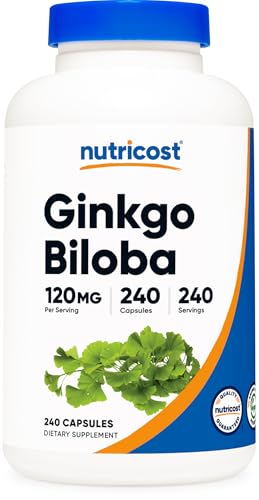
In Germany and France, standardized ginkgo extract was for decades an approved, prescription-grade medication for circulation and cognitive symptoms, subject to pharmaceutical manufacturing standards. In the United States, it has always been regulated as a dietary supplement, meaning manufacturing oversight and required evidence standards are considerably lighter, which is part of why product quality varies so much between brands.
Frequently Asked Questions
Is the ginkgo in supplements the same as the tree seeds used historically?
No. Modern supplements use standardized leaf extract, a distinct preparation from the seeds used in traditional Chinese medicine.

Why is EGb 761 mentioned so often in ginkgo research?
It is the specific standardized extract formulation used in the large majority of modern clinical trials, so it functions as the de facto reference standard for comparing products to the evidence base.
Does a long history of traditional use mean it’s automatically safe?
Traditional use history is not a substitute for safety data. The specific blood-thinning interaction risk with modern standardized extract is a pharmacological finding from contemporary research, not something traditional use alone would have identified.
Important safety note: Ginkgo biloba is often described as a blood thinner. Standardised extract does inhibit platelet aggregation and prolong bleeding time as a pharmacological property[1], but that is a proposed mechanism rather than a confirmed clinical effect: a meta-analysis of 18 randomised trials in 1,985 adults found no significant effect on platelet aggregation, fibrinogen concentration, aPTT or prothrombin time, and did not indicate a higher bleeding risk[2]. A review of controlled studies likewise found that ginkgo did not impair haemostasis or compromise the safety of coadministered aspirin or warfarin, while noting that an idiosyncratic bleeding event cannot be excluded and that isolated case reports do exist[3], including chronic ginkgo use preceding spontaneous subdural haematoma[4]. Those trials were not designed to establish safety in people who are already anticoagulated, so that specific question is open rather than answered. If you take warfarin, aspirin, clopidogrel, or any other blood thinner, or if you have a bleeding disorder or an upcoming surgery, talk to your doctor before starting ginkgo. This applies even to otherwise low-risk uses like memory support.
These statements have not been evaluated by the FDA. This product is not intended to diagnose, treat, cure, or prevent any disease.
References
- EGb 761: ginkgo biloba extract, Ginkor. Drugs in R&D, 2003
- Is there a risk of bleeding associated with standardized Ginkgo biloba extract therapy? A systematic review and meta-analysis. Pharmacotherapy, 2011
- Potential interaction of Ginkgo biloba leaf with antiplatelet or anticoagulant drugs: what is the evidence? Molecular Nutrition & Food Research, 2008
- Spontaneous bilateral subdural hematomas associated with chronic Ginkgo biloba ingestion. Neurology, 1996
These statements have not been evaluated by the Food and Drug Administration. This information is not intended to diagnose, treat, cure, or prevent any disease. Content is for informational purposes only and is not medical advice; consult a qualified healthcare provider before starting any supplement. As an Amazon Associate we earn from qualifying purchases.