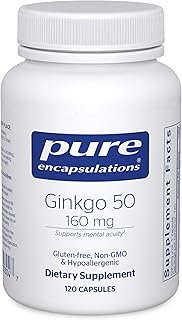
As you navigate the dynamic shifts of perimenopause and beyond, you might find yourself searching for natural ways to maintain your cognitive edge, support healthy circulation, and enhance overall vitality. The quest for sharper memory and improved blood flow often leads to a familiar name: Ginkgo biloba. But with countless supplements lining virtual shelves, how do you discern the truly effective from the merely hyped?
This comprehensive guide cuts through the noise, offering an evidence-based review of Ginkgo biloba supplements as of 2026. We will equip you with the knowledge to make informed decisions, prioritizing safety, efficacy, and the specific needs of women in this life stage.
GinkgoHub may earn a commission from qualifying purchases made through affiliate links in this article. This helps support our research and content creation.
Understanding Ginkgo Biloba: The EGb 761 Standard
Ginkgo biloba has been a cornerstone of traditional medicine for centuries, but modern science primarily focuses on a specific extract known as EGb 761. This standardized extract is crucial for efficacy.
EGb 761 is a well-defined extract containing approximately 24% flavone glycosides (primarily quercetin, kaempferol and isorhamnetin) and 6% terpene lactones, of which 2.8-3.4% are ginkgolides A, B and C and 2.6-3.2% is bilobalide[1]. Those percentages are nominal targets rather than exact constants: the German pharmacopoeial monograph that standardized products generally cite specifies flavone glycosides at 22-27% and terpene lactones at 5-7%[2]. These constituents are believed to be responsible for Ginkgo’s therapeutic effects, unlike raw ginkgo leaf powder, which lacks consistent potency.
One clarification matters before you start reading labels. EGb 761 is not a generic specification you can shop for. It is a specific proprietary extract originated by Dr Willmar Schwabe, sold in Europe under brand names such as Tanakan and Tebonin, and products containing it are not approved for use by the US FDA[1]. Most ginkgo sold in the United States is therefore not EGb 761, even when it is standardized to the same percentages, and a label that does not say EGb 761 is not thereby disqualified. The criterion you can actually apply in a product listing is the standardization itself, not the trade name.
Ginkgo Biloba for Cognitive Health and Memory: The Evidence
Many women in their 40s and 50s experience subtle cognitive changes, often termed “brain fog,” which prompts interest in memory-enhancing supplements. Ginkgo biloba has been extensively studied for its potential effects on cognitive function.
The proposed mechanisms involve improved blood flow to the brain, antioxidant properties, and modulation of neurotransmitter systems. Some research suggests Ginkgo may help protect neurons from oxidative stress and improve mitochondrial function.
However, the evidence for significant cognitive enhancement in healthy individuals is mixed. While some studies show modest improvements in attention and memory recall in older adults, large-scale, high-quality trials have often failed to demonstrate a substantial benefit for preventing cognitive decline or improving memory in healthy, non-demented individuals. Pooled evidence in people with subjective cognitive complaints but no diagnosis is likewise uncertain, and rests on very few participants[3].
It is worth being precise about which group the evidence actually favours, because it is not the group usually named. A 2026 Cochrane review pooling 82 randomized trials in 10,613 participants found that in people with mild cognitive impairment, ginkgo probably has little to no effect at six months on global clinical status, on cognition measured by the ADAS-cog (mean difference -0.07, 95% CI -0.67 to 0.51) or on activities of daily living, all at moderate certainty[3]. In diagnosed dementia the same review points the other way: there may be small to moderate benefits at six months for global status, cognition and daily living, although that finding is low certainty and the individual trials disagreed with one another substantially. The honest summary is that the stronger signal sits in dementia rather than in mild cognitive impairment, and even there it is not settled. Manage expectations accordingly, and consult a healthcare provider for any significant cognitive concerns.
Ginkgo and Circulation: Supporting Perimenopausal Health
Circulatory health is another key area where Ginkgo biloba is often sought, particularly by women experiencing perimenopausal symptoms. Reduced blood flow can contribute to various issues, from cold extremities to diminished vitality.

Ginkgo is believed to exert vasodilatory effects, meaning it may help widen blood vessels and improve blood flow, particularly to capillaries. This mechanism is thought to be beneficial for conditions like intermittent claudication, where restricted blood flow to the legs causes pain.
For perimenopausal women, improved microcirculation could theoretically support overall well-being, though direct studies linking Ginkgo to specific perimenopausal circulatory symptoms are limited. Some users report subjective improvements in cold hands and feet, which could be related to enhanced peripheral circulation.
It is important to remember that Ginkgo is not a substitute for conventional treatments for circulatory diseases. Always discuss persistent circulatory issues with your doctor.
Ginkgo Biloba and Blood Thinning: A Critical Safety Consideration
This is arguably the most critical safety aspect of Ginkgo biloba, and it is also the one most often stated with more confidence than the evidence supports. Ginkgo does inhibit platelet aggregation and prolong bleeding time as a matter of pharmacology[1]. Whether that translates into measurable bleeding risk in people is a separate question, and the controlled evidence is more reassuring than the reputation: a meta-analysis of 18 randomized trials in 1,985 adults found no significant effect on ADP-induced platelet aggregation, fibrinogen concentration, activated partial thromboplastin time or prothrombin time, and concluded that the comparison did not indicate a higher bleeding risk with standardized extract[4].
The terpene lactones, specifically the ginkgolides, are thought to be responsible for that antiplatelet activity. The further claim that risk rises sharply when ginkgo is combined with anticoagulant or antiplatelet medication is, however, weaker than it is usually presented. A review of the controlled studies concluded that ginkgo does not significantly impact haemostasis nor adversely affect the safety of coadministered aspirin or warfarin, and that high-level safety concerns for this herb are unsupported by the currently available evidence[5]. Across the 82 trials in the Cochrane review there was little or no difference between ginkgo and placebo in serious adverse events[3]. What cannot be excluded is an idiosyncratic bleeding event in an individual: the published reports of serious bleeding on ginkgo are isolated case reports rather than trial findings[6], and a case report cannot establish a rate, but nor can a meta-analysis rule out a rare reaction.
If you are currently taking blood thinners such as Warfarin (Coumadin), Aspirin, Clopidogrel (Plavix), Rivaroxaban (Xarelto), Apixaban (Eliquis), or Dabigatran (Pradaxa), you absolutely must consult your healthcare provider before taking Ginkgo biloba. That instruction stands regardless of what the pooled trials show, for two reasons. The randomized evidence above comes overwhelmingly from people who were not taking anticoagulants, so it does not describe your situation directly. And your prescriber is the person who can weigh it against your own bleeding history, your indication and the specific drug you are on.
Even for those not on prescription blood thinners, caution is advised before surgery or dental procedures. It is generally recommended to discontinue Ginkgo biloba at least two weeks prior to any planned surgery to minimize bleeding risk.
What to Look For in a Quality Ginkgo Biloba Supplement
Navigating the supplement market requires a discerning eye. Here’s what to prioritize when selecting a Ginkgo biloba product:
Standardized EGb 761 Extract
This is the one criterion worth treating as non-negotiable, but state it as a standardization rather than as a brand: look for a label declaring standardization to 24% flavone glycosides and 6% terpene lactones. It is worth verifying rather than assuming. When a range of US-market ginkgo products was analysed, flavone glycoside content ran from 24% to 36% and terpene lactones from 4% to 11%, and many products that referred to the German Commission E monograph did not actually meet its specification[2]. That same analysis found ginkgolic acid content varying from under 500 ppm to roughly 90,000 ppm. Ginkgolic acids are the allergenic constituent that refining is meant to strip out, and their absence is itself the accepted way to demonstrate pharmaceutical quality in a finished extract[7], so a manufacturer that publishes a ginkgolic acid limit is telling you something a bare 24/6 claim does not.
Reputable Manufacturer and Third-Party Testing
Choose brands with a history of quality and transparency. Look for certifications from independent organizations like NSF International, USP (United States Pharmacopeia), or ConsumerLab. These certifications verify product purity, potency, and absence of contaminants.
Dosage and Purity
Typical effective dosages for EGb 761 range from 120 mg to 240 mg per day, often divided into two or three doses. Ensure the product is free from unnecessary fillers, artificial colors, or common allergens if you have sensitivities.
Ginkgo Biloba Supplement Comparison Chart
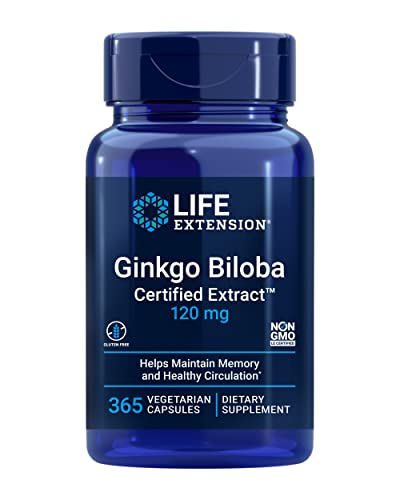
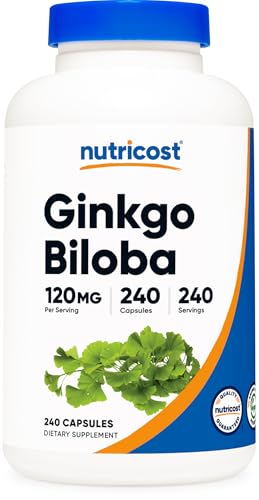
The two products above are where we would start, for the reasons given on each card. Beyond those, the table below sets out the features worth comparing when you evaluate any other option, since listings and formulations change constantly.

| Feature to Compare | Why It Matters | Ideal Specification |
|---|---|---|
| Standardization | Ensures active compound consistency. | EGb 761 (24% flavone glycosides, 6% terpene lactones) |
| Dosage per Capsule | Convenience and ease of adherence. | 60mg or 120mg (allowing for 120-240mg daily) |
| Third-Party Testing | Verifies purity, potency, and safety. | NSF, USP, or ConsumerLab certified |
| Purity (Additives) | Avoids unwanted fillers and allergens. | Minimal or no artificial colors, flavors, common allergens |
| Formulation | Capsules are common, liquid extracts also available. | Capsules for ease of use and precise dosage |
Finding Quality Ginkgo Biloba on Amazon
When searching on Amazon for Ginkgo biloba supplements, utilize specific keywords to filter for quality products. Look for “standardized Ginkgo biloba EGb 761 extract” to ensure you are getting the correct formulation.
Additionally, search for “third-party tested Ginkgo biloba” to identify brands that prioritize independent verification of their product’s contents. You might also filter by “Ginkgo biloba vegetarian capsules” if you have dietary preferences.
Always review customer feedback for consistent comments on product quality and manufacturer transparency. Prices fluctuate, so treat any figure you see as a snapshot rather than a fixed number. The search terms above will keep you in the right part of the catalogue if you want to compare more widely than the two picks linked on this page.
Conclusion and Final Recommendations
Ginkgo biloba, specifically a properly standardized extract, holds promise for supporting microcirculation and may offer modest cognitive benefit in diagnosed dementia, where the pooled trials lean positive but disagree with one another[3]. In mild cognitive impairment that same pooled evidence points to little or no effect, and in healthy individuals the cognitive effects are less pronounced still.
The most critical takeaway is the potential for blood-thinning interactions. Always prioritize safety and consult your healthcare provider, especially if you are on anticoagulant medications or have upcoming surgery.
When selecting a supplement, stringent adherence to the EGb 761 standard, third-party testing, and a reputable manufacturer are paramount. Approach Ginkgo biloba as a supportive measure, not a definitive solution, and always integrate it into a holistic health strategy.
Frequently Asked Questions (FAQ)
What is the recommended daily dosage of Ginkgo Biloba EGb 761?
Most studies showing benefits use dosages between 120 mg and 240 mg per day, often split into two or three doses. Always follow the product label instructions or your healthcare provider’s advice.
How long does it take for Ginkgo Biloba to show effects?
Ginkgo’s effects are generally not immediate. Consistent use over several weeks to months (e.g., 4-6 weeks for circulatory benefits, 8-12 weeks for cognitive changes) is often required before potential benefits become noticeable.
Can I take Ginkgo Biloba with other supplements?
While generally safe with many supplements, always exercise caution. Be particularly mindful of other supplements that may also have blood-thinning properties, such as fish oil, garlic, or vitamin E, and discuss combinations with your doctor.
Are there any common side effects of Ginkgo Biloba?
Ginkgo is generally well-tolerated. Possible side effects include headache, dizziness, gastrointestinal upset, and allergic skin reactions. The most serious concern is increased bleeding risk, especially when combined with other medications.
Is Ginkgo Biloba safe during perimenopause?
For healthy women not on blood-thinning medications, Ginkgo biloba may be considered. However, the hormonal shifts of perimenopause can introduce other health considerations, so always consult your doctor to ensure it is appropriate for your individual health profile.
Can Ginkgo Biloba prevent Alzheimer’s disease?
Current high-quality research does not support the use of Ginkgo biloba for preventing Alzheimer’s disease or other forms of dementia in healthy individuals. It also does not support it for mild cognitive impairment: pooled trial evidence points to little or no effect there at six months, at moderate certainty[3]. The pooled signal that does lean positive is in people already diagnosed with dementia, and that is treatment rather than prevention.

These statements have not been evaluated by the FDA. This product is not intended to diagnose, treat, cure, or prevent any disease.
View top-rated Ginkgo Biloba supplements on Amazon
References
- EGb 761: ginkgo biloba extract, Ginkor. Drugs R D (2003). PMID 12757407
- Kressmann S, et al. Pharmaceutical quality of different Ginkgo biloba brands. J Pharm Pharmacol (2002). PMID 12005361
- Ginkgo biloba for cognitive impairment and dementia. Cochrane Database of Systematic Reviews (2026). PMID 41641880
- Kellermann AJ, Kloft C. Is there a risk of bleeding associated with standardized Ginkgo biloba extract therapy? A systematic review and meta-analysis. Pharmacotherapy (2011). PMID 21923430
- Bone KM. Potential interaction of Ginkgo biloba leaf with antiplatelet or anticoagulant drugs: what is the evidence? Mol Nutr Food Res (2008). PMID 18214851
- Rowin J, Lewis SL. Spontaneous bilateral subdural hematomas associated with chronic Ginkgo biloba ingestion. Neurology (1996). Case report. PMID 8649594
- Quantification of allergenic urushiols in extracts of Ginkgo biloba leaves, in simple one-step extracts and refined manufactured material (EGb 761). Phytochem Anal (2004). PMID 14979519
These statements have not been evaluated by the Food and Drug Administration. This information is not intended to diagnose, treat, cure, or prevent any disease. Content is for informational purposes only and is not medical advice; consult a qualified healthcare provider before starting any supplement. As an Amazon Associate we earn from qualifying purchases.