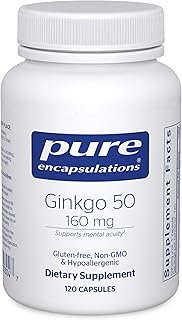
For women navigating midlife and menopause, understanding potential interactions between dietary supplements and medications is crucial. Ginkgo biloba is a popular herbal supplement, and while it’s often considered for various health aspects, its interaction with certain prescription drugs, particularly blood thinners like warfarin and antiplatelet agents like aspirin, warrants careful attention.
This article provides an evidence-based overview of the potential interactions between ginkgo biloba and these medications. It’s important to be well-informed and discuss all supplements with your healthcare provider, especially if you are taking prescription medications.
The Critical Interaction: Ginkgo Biloba with Warfarin and Aspirin
The most significant concern regarding ginkgo biloba interactions involves its co-administration with anticoagulant (blood-thinning) and antiplatelet medications. These medications, such as warfarin and aspirin, work to reduce blood clotting, which can be vital for individuals at risk of stroke or heart conditions. The concern is widely repeated, and it is worth being precise about what the controlled evidence actually shows. The 2008 review that asked this question directly concluded that “results from controlled studies consistently indicate that Ginkgo does not significantly impact haemostasis nor adversely affect the safety of coadministered aspirin or warfarin”, and judged high-level safety concerns for the herb to be “unsupported by the currently available evidence” [1]. A 2011 meta-analysis of 18 randomised controlled trials in 1,985 adults reached the same conclusion, finding no significant effect on platelet aggregation, fibrinogen, activated partial thromboplastin time or prothrombin time [2]. The cautions on this page are real, but they rest on observational data and case reports rather than on a demonstrated effect on clotting.
Multiple studies and reviews have highlighted this potential interaction. A systematic review published in 2021 specifically identified warfarin as having significant interactions with various herbal and dietary supplements, including ginkgo biloba [3]. Similarly, earlier research from 2000 also pointed out herb-drug interactions, emphasizing the need for caution [4].

Understanding the Mechanism of Interaction
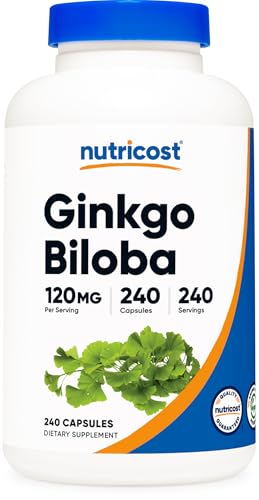
The proposed mechanism is easy enough to state. Ginkgo biloba extract contains flavonoids and terpene lactones, and ginkgolide B in particular antagonises platelet-activating factor, so in principle the extract could add to the effect of an antiplatelet drug like aspirin. What has repeatedly failed to appear is the effect itself. The 2008 review of controlled studies found no significant impact on haemostasis and no adverse effect on the safety of coadministered aspirin or warfarin [1], and a 2021 secondary analysis of a randomised, double-blind, placebo-controlled trial found that the standardised extract EGb 761 did not affect blood coagulation or bleeding time [5].
In the case of warfarin, which is an anticoagulant, the interaction might involve different pathways. Research suggests that ginkgo biloba extract could attenuate warfarin-mediated anticoagulation, possibly through the induction of hepatic cytochrome P450 enzymes by a component called bilobalide, as observed in mouse studies [6]. This means that while ginkgo is often associated with increased bleeding, it could also potentially alter warfarin’s effectiveness in complex ways, highlighting the unpredictability and risk.
Evidence from Clinical Observations and Studies
The concern is not purely theoretical, but the case record is thinner than it is usually made to sound. The one-year poison centre surveillance project run with the FDA that is normally cited here logged 275 dietary-supplement calls in total and identified six suspected herb-drug interactions, of which exactly one involved ginkgo: an additive anticoagulant or antiplatelet effect with an NSAID [7]. Most supplement-related adverse events in that project were minor, and the clinically significant ones were dominated by caffeine and yohimbe products rather than ginkgo.

Two studies are worth reporting with their results rather than only their titles. The first compared a standardised deterpened ginkgo extract (VR456) against a conventional extract alongside ticlopidine, warfarin or low-dose aspirin. In rats, the conventional undeterpened extract prolonged bleeding time; the deterpened VR456 did not. In the human arm, 360 mg of VR456 daily for 14 days in patients already taking ticlopidine, warfarin or cardioaspirin did not alter PT/INR or PTT [8], which points at the terpenoid fraction as the part that matters. The second is the strongest single finding on this page, and it cuts the other way: a text-mining analysis of a very large Veterans Administration record set reported that taking ginkgo concurrently with warfarin was associated with a significantly increased risk of a bleeding adverse event (hazard ratio 1.38, 95% CI 1.20 to 1.58, p<0.001) [9]. It is observational, and ginkgo use was extracted from clinical text rather than verified, so it establishes an association rather than a causal effect. It is still a real signal and it belongs on the record.
A 2025 retrospective study at a single hospital reviewed 2,647 prescriptions involving ginkgo biloba extract and reported a potential drug interaction in 12.94% of them, most often with antiplatelets, anticoagulants and NSAIDs, with clopidogrel and aspirin the most frequent. Among 747 patients assessed for bleeding, 31 (4.15%) had bleeding symptoms, and ginkgo interactions were associated with bleeding risk at an odds ratio of 1.08 [10]. The detail that matters most for this page is the one the title does not carry: in that same analysis, interactions with anticoagulants, including direct oral anticoagulants and acenocoumarol, were not statistically significant. The medications significantly associated with bleeding there were antiplatelets and NSAIDs, not warfarin-type drugs. A population-wide Taiwanese claims analysis of ginkgo co-prescriptions similarly found that the combination with antiplatelet or anticoagulant drugs showed an insignificant correlation with haemorrhage (adjusted odds ratio 1.5, 95% CI 0.5 to 5.0) [11].
Potential Risks and Bleeding Concerns
Where a risk has been described, it ranges from easy bruising and nosebleeds to more serious bleeding. The review most often cited for this places ginkgo among herbs with antiplatelet activity that could add to the bleeding risk of aspirin and other NSAIDs, and is explicit that most of the interaction information available “is based on individual case reports, animal studies and in vitro data” and that further research is needed to confirm its clinical significance [12]. That is the right weight to give it: a plausible and documented concern that controlled trials have not confirmed, rather than an established pharmacological effect.
For women in midlife and menopause, who may already be on medications for cardiovascular health or other age-related conditions, adding ginkgo biloba without professional guidance could introduce unnecessary risks. It is paramount to understand that even ‘natural’ supplements can have potent effects and interact negatively with prescription drugs.
References
- Potential interaction of Ginkgo biloba leaf with antiplatelet or anticoagulant drugs: what is the evidence?. Molecular nutrition & food research, 2008
- Is there a risk of bleeding associated with standardized Ginkgo biloba extract therapy? A systematic review and meta-analysis. Pharmacotherapy, 2011
- Warfarin and food, herbal or dietary supplement interactions: A systematic review. British journal of clinical pharmacology, 2021
- Herb-drug interactions. Lancet (London, England), 2000
- EGb 761 Does Not Affect Blood Coagulation and Bleeding Time in Patients with Probable Alzheimer’s Dementia – Secondary Analysis of a Randomized, Double-Blind Placebo-Controlled Trial. Healthcare (Basel), 2021
- Ginkgo biloba extract attenuates warfarin-mediated anticoagulation through induction of hepatic cytochrome P450 enzymes by bilobalide in mice. Phytomedicine : international journal of phytotherapy and phytopharmacology, 2012
- Dietary supplement adverse events: report of a one-year poison center surveillance project. Journal of medical toxicology : official journal of the American College of Medical Toxicology, 2008
- Interaction between ticlopidine or warfarin or cardioaspirin with a highly standardized deterpened Ginkgo biloba extract (VR456) in rat and human. Acta bio-medica : Atenei Parmensis, 2010
- Ginkgo and Warfarin Interaction in a Large Veterans Administration Population. AMIA … Annual Symposium proceedings. AMIA Symposium, 2015
- Impact of Ginkgo biloba drug interactions on bleeding risk and coagulation profiles: A comprehensive analysis. PloS one, 2025
- Risk of hemorrhage associated with co-prescriptions for Ginkgo biloba and antiplatelet or anticoagulant drugs. Journal of Alternative and Complementary Medicine, 2011
- Herbal medication: potential for adverse interactions with analgesic drugs. Journal of clinical pharmacy and therapeutics, 2002
These statements have not been evaluated by the Food and Drug Administration. This information is not intended to diagnose, treat, cure, or prevent any disease. Content is for informational purposes only and is not medical advice; consult a qualified healthcare provider before starting any supplement. As an Amazon Associate we earn from qualifying purchases.