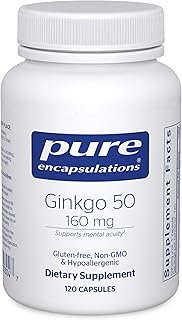
For women navigating midlife and menopause, understanding how dietary supplements might interact with their health regimen is crucial. Ginkgo biloba is a popular herbal supplement, and questions often arise regarding its potential effects on blood coagulation, particularly for those using blood-thinning medications.
This article provides an evidence-based look at the potential for ginkgo biloba to influence bleeding risk. We’ll examine the research surrounding ginkgo’s interactions with anticoagulant and antiplatelet drugs, offering clear, non-hyped information to help you make informed choices.
What is Ginkgo Biloba and How Might it Affect Blood?
Ginkgo biloba is derived from the leaves of the Ginkgo tree, one of the oldest living tree species. Extracts from these leaves have been used for various purposes over centuries [1][2]. The compounds within ginkgo, particularly flavonoids and terpenoids, are thought to contribute to its observed effects [3].
When considering the body’s clotting mechanisms, it’s important to understand that blood coagulation is a complex process involving platelets and various clotting factors. Antiplatelet drugs, such as aspirin, work by reducing the ability of platelets to stick together, while anticoagulants, like warfarin, interfere with the clotting factor cascade [4].
Ginkgo extract does contain compounds with antiplatelet activity in the laboratory, which is where this concern originates. Whether that translates into a measurable effect in people is a separate question, and it has been tested directly: a 2008 review of the controlled studies concluded that ginkgo “does not significantly impact haemostasis nor adversely affect the safety of coadministered aspirin or warfarin” [5]. The rest of this article separates that theoretical mechanism from what the clinical record shows.

Ginkgo and Anticoagulant Medications: A Closer Look
One of the most significant concerns regarding ginkgo biloba relates to its potential interaction with anticoagulant medications. These drugs are prescribed to reduce the risk of blood clots and are critical for individuals with certain cardiovascular conditions. Warfarin, a commonly prescribed oral anticoagulant, is known for its narrow therapeutic window and susceptibility to interactions with various foods, herbs, and dietary supplements [4].
Early reports and concerns suggested that ginkgo biloba might enhance the effects of warfarin, potentially leading to an increased risk of bleeding [6]. A systematic review highlighted the importance of being aware of potential interactions between warfarin and herbal supplements, including ginkgo [4].
A 2025 retrospective study at a single hospital reviewed 2,647 prescriptions involving ginkgo biloba extract, found a potential interaction in 12.94% of them, and reported an association between those interactions and bleeding risk (odds ratio 1.08) [7]. Its most relevant finding for anyone taking a blood thinner is one the title does not carry: interactions with anticoagulants, including direct oral anticoagulants and acenocoumarol, were not statistically significant in that analysis. The medications significantly associated with bleeding there were antiplatelets and NSAIDs, among them clopidogrel, aspirin, celecoxib and loxoprofen, rather than warfarin-type drugs.
Interaction with Antiplatelet Drugs and Other Agents
Beyond anticoagulants, there is also the question of ginkgo’s interaction with antiplatelet drugs. These medications, which include aspirin and clopidogrel, work by inhibiting platelet function to reduce the risk of arterial clots. The 2008 review that examined this combination directly found that ginkgo did not adversely affect the safety of coadministered aspirin, and judged high-level safety concerns for the herb to be unsupported by the available evidence, while noting that an idiosyncratic bleeding event in an individual cannot be ruled out and that the underlying case reports are of low quality [5].

The potential for ginkgo leaf to interact with antiplatelet or anticoagulant drugs has been a subject of ongoing investigation [5]. It’s not only prescription medications that pose a concern; other over-the-counter supplements or foods with blood-thinning properties could also contribute to an increased risk when taken with ginkgo [8].
The most direct answer available comes from a 2011 systematic review and meta-analysis that asked exactly this question. It pooled 18 randomised controlled trials covering 1,985 adults, 87% of them patients with dementia, peripheral artery disease or diabetes and the remainder healthy volunteers, and measured blood flow, blood viscosity, ADP-induced platelet aggregation, fibrinogen concentration, activated partial thromboplastin time and prothrombin time. It found no significant effect on platelet aggregation, fibrinogen, aPTT or PT, and concluded that the comparison “did not indicate a higher bleeding risk associated with standardized GBE” [9]. The one significant hemostatic finding was a reduction in blood viscosity, which improves perfusion rather than impairing clotting.
Evidence for Bleeding Risk: What the Research Suggests
While theoretical concerns and case reports of increased bleeding with ginkgo biloba have been noted, particularly in combination with blood-thinning medications, robust clinical evidence definitively proving a widespread, significant increase in bleeding risk in healthy individuals taking ginkgo alone has been mixed [9][5].
Two caveats belong with that result rather than after it. Subgroup analyses in the same meta-analysis did find a statistically significant shortening of aPTT at doses of 240 mg per day or more, and in studies restricted to patients rather than healthy volunteers, but the authors judged both findings not clinically relevant [9]. And a meta-analysis of trial participants cannot exclude a rare, idiosyncratic reaction in an individual, which is the possibility the case-report literature keeps raising and the reason the advice below still stands.
Taken together, the picture is more specific than “ginkgo thins the blood”. Randomised and controlled evidence has repeatedly failed to find an effect on the standard measures of clotting, while the signals that do exist come from observational databases and case reports, and even among those the associations reported for anticoagulants have generally not reached statistical significance [7]. That is a reason for informed caution and a conversation with whoever prescribes your medication, not a reason to assume an established interaction.
Safety Considerations for Women in Midlife and Menopause
Women in midlife and menopause may be at a stage where they are more likely to be taking various medications, including those for cardiovascular health or hormone therapy. Therefore, understanding potential interactions with supplements like ginkgo biloba is especially important. The use of multiple medications or supplements (polypharmacy) increases the complexity of potential drug-herb interactions [4].
It is crucial for individuals taking any form of anticoagulant or antiplatelet medication, or those with known bleeding disorders, to exercise caution and discuss ginkgo biloba use with a healthcare professional [1][5]. This includes medications like warfarin, aspirin, and clopidogrel.
Furthermore, certain medical procedures, including surgery, may require temporary discontinuation of ginkgo biloba due to concerns about bleeding risk [1]. Discussing all supplements with your surgeon and anesthesiologist well in advance of any procedure is a recommended safety measure.

References
- Ginkgo biloba. American family physician, 2003
- Ginkgo. Drugs and Lactation Database (LactMed), National Institute of Child Health and Human Development, 2006
- Ginkgo biloba: indications, mechanisms, and safety. The Psychiatric clinics of North America, 2013
- Warfarin and food, herbal or dietary supplement interactions: A systematic review. British journal of clinical pharmacology, 2021
- Potential interaction of Ginkgo biloba leaf with antiplatelet or anticoagulant drugs: what is the evidence?. Molecular nutrition & food research, 2008
- Herb-drug interactions. Lancet (London, England), 2000
- Impact of Ginkgo biloba drug interactions on bleeding risk and coagulation profiles: A comprehensive analysis. PloS one, 2025
- Multifaceted therapeutic benefits of Ginkgo biloba L.: chemistry, efficacy, safety, and uses. Journal of food science, 2008
- Is there a risk of bleeding associated with standardized Ginkgo biloba extract therapy? A systematic review and meta-analysis. Pharmacotherapy, 2011
These statements have not been evaluated by the Food and Drug Administration. This information is not intended to diagnose, treat, cure, or prevent any disease. Content is for informational purposes only and is not medical advice; consult a qualified healthcare provider before starting any supplement. As an Amazon Associate we earn from qualifying purchases.