Premenstrual syndrome is one of the most common reasons women go looking for an herbal remedy, and ginkgo biloba turns up on many of the lists. Unlike a lot of supplements sold for PMS, ginkgo has actually been tested against placebo in women with premenstrual symptoms. It has been tested twice, in small trials published 16 years apart, and that short record is the most important thing to understand before trying it.
Below, each trial is laid out with what it did and found, followed by what the systematic reviews made of them and how ginkgo compares with the options that have stronger evidence.
PMS and PMDD in brief
PMS describes physical and emotional symptoms that show up in the luteal phase, the one to two weeks before a period, and ease once bleeding starts. Its more severe form, premenstrual dysphoric disorder (PMDD), has been a formal psychiatric diagnosis since 2013. Many women fall short of the PMDD criteria while still being substantially affected, and treatments studied range from serotonergic and hormonal therapy to lifestyle measures and herbal remedies[1].
That distinction matters for this page. Both ginkgo trials enrolled women with PMS. Neither studied PMDD.
The 1993 trial: congestive and breast symptoms
The first controlled trial, reported in a French gynaecology journal, was a double-blind, multicentre study that compared the standardized extract EGb 761 with placebo in 165 women aged 18 to 45. To enter, women had to have had congestive premenstrual symptoms, the fluid-retention type such as bloating and breast swelling, for at least seven days per cycle over three cycles, and one observation cycle confirmed the diagnosis. They then took the extract or placebo from day 16 of one cycle to day 5 of the next, for two cycles[2].
Of the 165 women enrolled, 143 were analysed. The authors reported that EGb 761 was effective against congestive symptoms, with a statistically significant difference from placebo particularly for breast symptoms, and that neuropsychological symptoms also improved[2]. The extract was well accepted.
Two limits are worth knowing. The full paper is not in English, and the English abstract does not report the daily dose or the size of the effect, so it is hard to say how large the improvement was. A 2019 review of herbal treatments for cyclic breast pain did list ginkgo among the plants with clinical trial support for that symptom[3].
The 2009 trial: overall symptom severity
The second trial ran in Tehran between November 2007 and April 2008. Researchers recruited students with PMS living in the dormitories of a medical university, had them complete daily symptom ratings for two cycles to confirm the diagnosis, and then randomized 90 of them to ginkgo or placebo. The ginkgo group took tablets containing 40 mg of leaf extract three times a day, from day 16 of the cycle to day 5 of the next[4].
Eighty-five women finished. Symptom severity fell in both groups, but it fell by about 24% on ginkgo against about 9% on placebo, and the difference between groups was statistically significant. Physical and psychological symptom scores dropped in both groups[4]. The authors concluded that ginkgo can reduce PMS severity and called for more research on doses and treatment length.
This trial was single-blind rather than double-blind, so only one side of the study was masked; the abstract does not say which. All of the women were students at one university. Both points limit how far the result can be generalized.

What the systematic reviews concluded
Reviewers have looked at the PMS supplement literature several times. The reviews that discuss ginkgo describe its evidence as preliminary or as resting on single trials.
- A 2001 review of 27 randomized trials of complementary therapies for PMS, written before the Tehran trial, found that most trials had methodological limitations and concluded that no complementary therapy could be recommended[5].
- A 2009 review identified 62 herbs, vitamins and minerals promoted for PMS and found randomized trial evidence for only 10. Only calcium had good-quality evidence. Chasteberry and vitamin B6 looked possibly effective, and ginkgo was grouped with several others as showing some preliminary benefit[6].
- A 2011 review of herbal treatments found that chasteberry (Vitex agnus castus) had the most research, four trials with about 500 women, and consistently beat placebo. Ginkgo and saffron were each supported by single trials[7].
- A 2022 meta-analysis noted that clinical guidelines suggest herbal medicine and supplements for PMS, but on the basis of poor-quality trial evidence, and found substantial differences between the trials it pooled[8].
As of October 2026, PubMed lists no placebo-controlled trial of ginkgo for PMS published after 2009. Seventeen years on, the evidence is still the same two trials.
How ginkgo compares with other options
If you are choosing between supplements for PMS, the reviews above put calcium first on evidence quality and chasteberry next on the number of trials[6][7]. Ginkgo sits behind both. It may still be worth considering if breast tenderness and bloating are your main symptoms, since that is where the 1993 trial found its clearest effect, or if you already take ginkgo for another reason and your doctor is comfortable with it.
For mood-centred symptoms, ginkgo’s evidence is thinner still. Our guide to ginkgo and mood support in women covers what has been tested outside the premenstrual setting.
Side effects and safety
The 2011 review found that none of the herbs it covered, ginkgo included, was linked to major health risks, but it cautioned that the small number of women tested does not allow firm conclusions about safety[7]. The question that comes up most often with ginkgo is bleeding. A review of controlled studies found that ginkgo did not significantly affect clotting or the safety of aspirin or warfarin taken alongside it, while noting that an unusual bleeding event cannot be ruled out[9].

Many women with PMS also take anti-inflammatory painkillers for cramps. Read our page on ginkgo and NSAIDs before combining the two, and our ginkgo blood-thinning warning if you take a blood thinner, have heavy periods or have surgery scheduled. If you take an antidepressant, see ginkgo and antidepressants.
When to see a clinician instead
Premenstrual symptoms that disrupt work, relationships or daily life, or mood symptoms such as marked depression, anxiety or irritability before each period, may meet the criteria for PMDD. That diagnosis has established treatments, including serotonergic and hormonal therapy[1]. It is worth raising with a clinician before working through a supplement shelf.
If you decide to try it
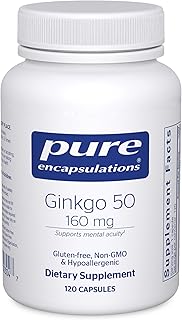
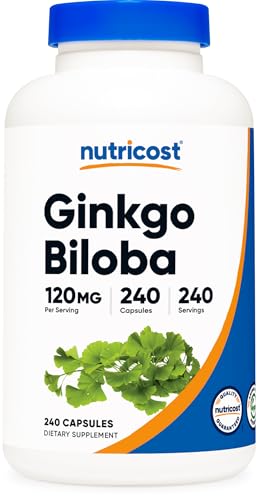
Both trials gave ginkgo only in the second half of the cycle, from day 16 to day 5 of the next cycle, and the 2009 trial used 40 mg three times a day[4]. That is 120 mg a day in total; many ginkgo capsules, including the one below, contain 120 mg each, so the trial’s daily amount matches one such capsule, not three. Both trials judged results after treatment cycles, using daily symptom ratings. A fair personal trial looks similar: rate your symptoms daily for a cycle before starting, then for two cycles on ginkgo, and compare. Our guide to tracking your ginkgo results covers a simple way to do that, the guide to standardized ginkgo extract explains the extract used in the 1993 trial, and our ginkgo dosage guide for women covers dosing in more detail.
Frequently Asked Questions
Does ginkgo biloba help PMS?
Two small placebo-controlled trials, from 1993 and 2009, reported that ginkgo reduced premenstrual symptoms more than placebo. Neither has been repeated, and systematic reviews describe the evidence as preliminary. Calcium and chasteberry have more trial support.
Which PMS symptoms did ginkgo help in the trials?
The 1993 trial focused on congestive symptoms such as bloating and breast discomfort, and found the clearest difference from placebo for breast symptoms. The 2009 trial reported a larger drop in overall symptom severity on ginkgo than on placebo.
How much ginkgo was used for PMS in the studies?
The 2009 trial used 40 mg tablets three times a day, 120 mg in total, from day 16 of the cycle to day 5 of the next. The 1993 trial used the standardized extract EGb 761 over the same window. Those are study protocols, not a recommendation.
Can I take ginkgo with ibuprofen for period cramps?
Controlled studies have not shown ginkgo changing the safety of aspirin, but isolated bleeding reports mean it cannot be ruled out entirely. Check with your doctor or pharmacist before combining ginkgo with an anti-inflammatory painkiller, especially if you take a blood thinner.
Is ginkgo a treatment for PMDD?
Neither ginkgo trial enrolled women with premenstrual dysphoric disorder. PMDD is a recognized diagnosis with established treatments, so severe premenstrual mood symptoms are worth taking to a clinician.
These statements have not been evaluated by the FDA. This product is not intended to diagnose, treat, cure, or prevent any disease.
References
- Premenstrual Syndrome: Evidence-based Evaluation and Treatment. Clinical Obstetrics and Gynecology, 2018
- Value of standardized Ginkgo biloba extract (EGb 761) in the management of congestive symptoms of premenstrual syndrome. Revue Francaise de Gynecologie et d’Obstetrique, 1993
- Effective Medicinal Plants in the Treatment of the Cyclic Mastalgia (Breast Pain): A Review. Journal of Pharmacopuncture, 2019
- A randomized, placebo-controlled trial of Ginkgo biloba L. in treatment of premenstrual syndrome. Journal of Alternative and Complementary Medicine, 2009
- Complementary/alternative therapies for premenstrual syndrome: a systematic review of randomized controlled trials. American Journal of Obstetrics and Gynecology, 2001
- Herbs, vitamins and minerals in the treatment of premenstrual syndrome: a systematic review. Canadian Journal of Clinical Pharmacology, 2009
- Herbal treatments for alleviating premenstrual symptoms: a systematic review. Journal of Psychosomatic Obstetrics and Gynaecology, 2011
- A Systematic Review and Meta-Analysis of Premenstrual Syndrome with Special Emphasis on Herbal Medicine and Nutritional Supplements. Pharmaceuticals, 2022
- Potential interaction of Ginkgo biloba leaf with antiplatelet or anticoagulant drugs: what is the evidence?. Molecular Nutrition & Food Research, 2008
These statements have not been evaluated by the Food and Drug Administration. This information is not intended to diagnose, treat, cure, or prevent any disease. Content is for informational purposes only and is not medical advice; consult a qualified healthcare provider before starting any supplement. As an Amazon Associate we earn from qualifying purchases.