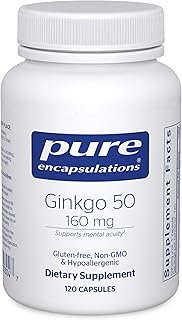
For women navigating midlife and menopause, exploring various supplements to support well-being is common. Ginkgo biloba, a popular herbal supplement, has been studied for its potential effects on cognitive function. While generally considered well-tolerated, understanding its potential side effects and how to manage them is an important aspect of informed use.
This guide aims to provide practical, evidence-based information on ginkgo biloba side effects, focusing on considerations relevant to women in midlife. It emphasizes recognizing common reactions, understanding potential interactions, and knowing when to consult a healthcare professional, ensuring a mindful approach to supplementation.
Understanding Common Ginkgo Biloba Side Effects
While ginkgo biloba is often well-tolerated, some individuals may experience mild side effects. These can include gastrointestinal discomfort, such as nausea, diarrhea, or abdominal pain [1]. Headaches and dizziness have also been reported in some instances [1]. It’s important to note that these reactions are typically mild and often resolve with continued use or by adjusting the dosage.
Skin reactions, though less common, can also occur, presenting as allergic skin reactions [1]. If any skin rash or itching develops, it is advisable to discontinue use and consult a healthcare provider. The occurrence of side effects can vary among individuals, and factors such as individual sensitivity and dosage may play a role.

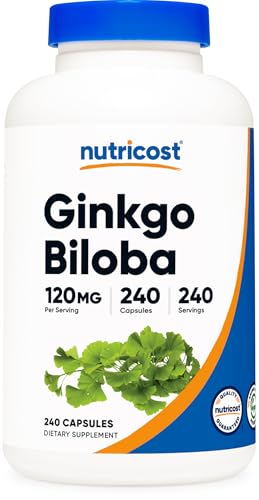
Navigating Potential Drug Interactions with Ginkgo Biloba
One of the most significant considerations when using ginkgo biloba, particularly for women in midlife who may be on other medications, is its potential for drug interactions. Ginkgo biloba has been observed to interact with medications that affect blood clotting, such as anticoagulants and antiplatelet drugs [2]. This interaction may increase the risk of bleeding [2]. Therefore, individuals taking blood thinners should exercise caution and discuss ginkgo use with their healthcare provider.
Beyond blood thinners, ginkgo biloba may also interact with other medications. For instance, there is a possibility of interaction with selective serotonin reuptake inhibitors (SSRIs), which are sometimes prescribed for mood support during menopause [1]. Such interactions could potentially lead to adverse effects, and therefore, it is crucial to inform your doctor about all supplements you are taking, including ginkgo biloba, to avoid unforeseen complications.
Furthermore, some evidence suggests that ginkgo biloba could influence blood sugar levels, which is a relevant consideration for women managing diabetes or pre-diabetes [1]. Individuals with diabetes should monitor their blood glucose carefully if using ginkgo biloba and consult with their healthcare provider before initiating supplementation.
Dosage and Administration: Minimizing Side Effects
The way ginkgo biloba is taken can influence the likelihood and severity of side effects. Starting with a lower dose and gradually increasing it, if tolerated, may help the body adjust and reduce the incidence of initial discomfort [1]. The recommended dosage can vary, and it’s important to follow the instructions on the product label or guidance from a healthcare professional.

Taking ginkgo biloba with food rather than on an empty stomach may also help to mitigate gastrointestinal upset [1]. Consistency in administration, such as taking it at the same time each day, can also contribute to a more predictable experience with the supplement. It is important to remember that higher doses do not necessarily lead to greater benefits and may instead increase the risk of side effects [3].
When to Discontinue and Seek Medical Advice
While most side effects of ginkgo biloba are mild, there are situations where discontinuing use and seeking medical attention is important. Persistent or worsening gastrointestinal issues, severe headaches, or dizziness that interferes with daily activities warrant a discussion with a healthcare provider [1].
Any signs of unusual bleeding or bruising, such as nosebleeds, gum bleeding, or prolonged bleeding from minor cuts, should prompt immediate medical consultation, especially if you are taking blood-thinning medications [2]. Allergic reactions, including hives, swelling, or difficulty breathing, are serious and require immediate medical attention.
Open communication with your healthcare provider about all supplements and medications you are using is vital. This allows for personalized advice and helps to ensure your safety and well-being, especially during midlife when health needs can be more complex.
References
- Ginkgo biloba: indications, mechanisms, and safety. The Psychiatric clinics of North America, 2013
- Impact of Ginkgo biloba drug interactions on bleeding risk and coagulation profiles: A comprehensive analysis. PloS one, 2025
- Efficacy and adverse effects of ginkgo biloba for cognitive impairment and dementia: a systematic review and meta-analysis. Journal of Alzheimer’s disease : JAD, 2015
These statements have not been evaluated by the Food and Drug Administration. This information is not intended to diagnose, treat, cure, or prevent any disease. Content is for informational purposes only and is not medical advice; consult a qualified healthcare provider before starting any supplement. As an Amazon Associate we earn from qualifying purchases.