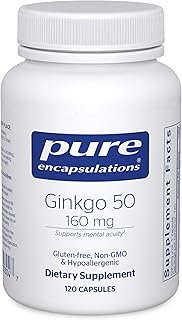
As women navigate the unique changes of midlife and menopause, understanding the supplements we consider can be helpful. Ginkgo biloba is a widely studied botanical, and you may have come across terms like ‘standardized extract’ when researching it. This article aims to clarify what ginkgo extract standardization means and why it’s a key factor to consider.
The process of standardization helps ensure that a botanical extract contains a consistent amount of its characteristic compounds. For ginkgo biloba, this consistency is important for understanding its potential effects and for making informed choices about its use.
What is Ginkgo Biloba Extract?
Ginkgo biloba is derived from the leaves of the Ginkgo biloba tree, one of the oldest living tree species. Extracts from these leaves have been used in traditional practices for centuries. Today, ginkgo extracts are often concentrated preparations that aim to provide specific plant compounds in a more consistent manner than raw leaf material.
The specific compounds in ginkgo biloba that are often highlighted for their potential health-supporting properties include flavonoids and terpenoids. These are believed to contribute to the plant’s observed effects. Understanding these components is the first step in appreciating why standardization is emphasized for ginkgo products.
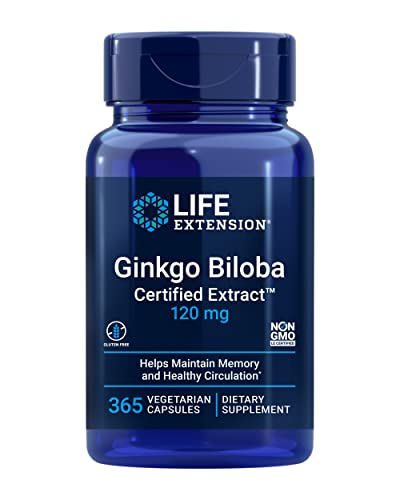

The Importance of Standardization for Ginkgo Biloba
Standardization in herbal extracts refers to a manufacturing process that ensures a consistent level of specific, active compounds in each batch of the product. Without standardization, the concentration of these compounds could vary significantly from one product to another, or even between different batches of the same product. This variability can make it challenging to assess potential effects or compare different ginkgo products effectively.
For ginkgo biloba, a well-known standardized extract is EGb 761. This particular extract has been extensively studied in various clinical settings [1][2][3]. The consistent composition of such standardized extracts is crucial for research, allowing scientists to reliably study its potential actions and for individuals to have a better understanding of what they are consuming.
What Specific Compounds Are Standardized in Ginkgo Extracts?
When you see a ginkgo biloba product labeled as ‘standardized,’ it typically refers to specific percentages of key compounds. For extracts like EGb 761, the standardization often focuses on two main groups of compounds: flavonoid glycosides and terpene lactones [4].
Commonly, standardized ginkgo extracts aim for approximately 22-27% flavonoid glycosides and 5-7% terpene lactones. These percentages are based on extensive research and are considered important for the extract’s characteristic profile. The presence of these compounds in consistent amounts is a hallmark of a high-quality standardized ginkgo product.

Why Standardized Extracts Are Often Used in Research
The use of standardized ginkgo extracts, such as EGb 761, is fundamental to much of the scientific literature available. Because these extracts have a defined chemical composition, researchers can conduct studies with a higher degree of reproducibility and confidence [1]. For example, studies exploring ginkgo’s neuroprotective and antioxidant effects often utilize standardized extracts [5].
This consistency allows for better comparison of results across different studies and helps in understanding the potential effects of ginkgo. Many randomized controlled trials and meta-analyses investigating ginkgo for cognitive function or other areas of well-being have relied on standardized preparations [6][7]. This rigorous approach to research helps build a foundation of evidence for specific ginkgo extracts.
Choosing a Standardized Ginkgo Product
For women considering ginkgo biloba during midlife and menopause, looking for products that specify their standardization is a helpful approach. The label should indicate the percentages of flavonoid glycosides and terpene lactones, often around the 24% and 6% marks, respectively. This transparency provides assurance about the product’s composition.
While other ginkgo products may exist, those that clearly state their standardization provide a clearer picture of what the product contains. This can be particularly relevant when drawing parallels to the ginkgo research you might encounter, as most of that research is based on these specific standardized extracts.
References
- Ginkgo biloba extract EGb 761 is safe and effective in the treatment of mild dementia – a meta-analysis of patient subgroups in randomised controlled trials. The world journal of biological psychiatry : the official journal of the World Federation of Societies of Biological Psychiatry, 2025
- Standardized Ginkgo Biloba Extract (EGb 761) for Knee Osteoarthritis: A Narrative Review. Drug design, development and therapy, 2025
- EGb 761: ginkgo biloba extract, Ginkor. Drugs in R&D, 2003
- Ginkgo. 2006
- Neuroprotective and Antioxidant Effect of Ginkgo biloba Extract Against AD and Other Neurological Disorders. Neurotherapeutics : the journal of the American Society for Experimental NeuroTherapeutics, 2019
- Efficacy and adverse effects of ginkgo biloba for cognitive impairment and dementia: a systematic review and meta-analysis. Journal of Alzheimer’s disease : JAD, 2015
- Treatment effects of Ginkgo biloba extract EGb 761® on the spectrum of behavioral and psychological symptoms of dementia: meta-analysis of randomized controlled trials. International psychogeriatrics, 2018
These statements have not been evaluated by the Food and Drug Administration. This information is not intended to diagnose, treat, cure, or prevent any disease. Content is for informational purposes only and is not medical advice; consult a qualified healthcare provider before starting any supplement. As an Amazon Associate we earn from qualifying purchases.