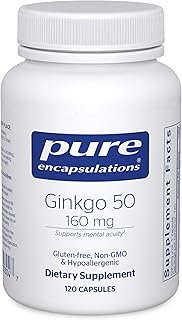
Ready to buy? Check current prices on Amazon and compare deals before you decide.
As we navigate the mid-life transition, often marked by perimenopause, many of us experience frustrating shifts: the occasional forgotten word, a feeling of mental fogginess, or a noticeable decline in circulatory comfort. Ginkgo Biloba, a venerable botanical, frequently emerges in discussions about maintaining cognitive sharpness and supporting healthy circulation during this phase. However, with a plethora of supplements available and conflicting information online, a critical question arises: what is the right Ginkgo Biloba dosage for you, and how can you ensure its safe integration into your daily routine, especially if you’re already managing other health conditions or medications?
Understanding the evidence-based dosages, potential interactions, and safety considerations is paramount to harnessing Ginkgo’s benefits effectively and responsibly. This comprehensive guide, updated for 2026, aims to provide clarity on these crucial aspects.
As an Amazon Associate, GinkgoHub earns from qualifying purchases. This helps support our research and content creation.
Understanding Ginkgo Biloba EGb 761: The Standardized Extract
When discussing Ginkgo Biloba’s efficacy, it is crucial to focus on standardized extracts, particularly EGb 761. This specific extract has been used in the majority of clinical trials and is characterized by its precise chemical composition.
EGb 761 contains 24% ginkgo flavone glycosides and 6% terpene lactones (bilobalide and ginkgolides). These active compounds are believed to be responsible for Ginkgo’s purported benefits, including its antioxidant, anti-inflammatory, and vasodilatory properties.
When selecting a supplement, look for products that clearly state they contain a standardized EGb 761 extract or a similar extract with comparable percentages of these active constituents. Non-standardized products may not deliver consistent or effective dosages.
Ginkgo Biloba Dosage for Memory and Cognitive Sharpness
For individuals seeking to support memory and general cognitive function, particularly during perimenopause, research has explored various dosages. The consensus from multiple studies suggests a specific range for optimal benefits.
Most clinical trials investigating Ginkgo Biloba EGb 761 for cognitive enhancement in healthy adults or those with mild cognitive impairment have utilized dosages between 120 mg and 240 mg per day. This dosage is typically divided into two or three administrations throughout the day.
For instance, some studies on healthy middle-aged adults exploring working memory and attention have used 120 mg to 180 mg daily. In trials involving individuals with age-associated memory impairment, dosages of 240 mg daily have also been investigated.
It is important to note that the cognitive benefits of Ginkgo Biloba are often subtle and may take several weeks to become apparent. Expecting immediate, dramatic improvements is unrealistic based on current evidence.
Ginkgo Biloba Dosage for Circulation and Perimenopausal Support
Ginkgo Biloba is often considered for its potential to improve blood flow, which can be relevant for various circulatory concerns and general well-being during perimenopause. The mechanisms involve its ability to dilate blood vessels and reduce blood viscosity.

For supporting healthy circulation, particularly in conditions like intermittent claudication (leg pain due to poor circulation), dosages of 120 mg to 240 mg of EGb 761 per day have been studied. These dosages are usually administered in divided doses.
While Ginkgo is not a direct treatment for hot flashes or other hormonal symptoms of perimenopause, its general circulatory benefits and potential impact on mood and cognitive function could indirectly contribute to overall comfort. Some women report subjective improvements in well-being when using Ginkgo during this phase, though direct perimenopause-specific studies are limited.
Always consult with a healthcare provider before using Ginkgo Biloba for any specific health condition, especially if you are experiencing significant perimenopausal symptoms.
When to Take Ginkgo Biloba and Duration of Use
The timing of Ginkgo Biloba intake can sometimes influence its absorption and potential effects. Many sources recommend taking Ginkgo with meals to enhance absorption and minimize any potential stomach upset.
If you are taking a daily dosage of 120 mg, you might take it as a single dose or split it into two 60 mg doses. For higher dosages like 240 mg, splitting it into two 120 mg doses (morning and evening) or three 80 mg doses is common practice.
Regarding duration, Ginkgo Biloba’s benefits, particularly for cognitive function, are not immediate. Most studies indicate that consistent use over several weeks to months is necessary to observe any effects. For memory and circulation, a trial period of at least 8 to 12 weeks is often recommended before evaluating its efficacy for you.
Long-term tolerability is reasonably well characterised. The Ginkgo Evaluation of Memory study followed 3,069 adults aged 75 and over for a median of 6.1 years on 120 mg twice daily and reported adverse-event profiles that were similar between the ginkgo and placebo groups[1]; a Cochrane review of the dementia and cognition trials likewise found no significant difference between ginkgo and placebo in the proportion of participants experiencing adverse events[2]. Periodic review with a healthcare professional is still advisable for any long-term supplement regimen.
Ginkgo Biloba Dosage & Cost Calculator
Based on the labeled dose options for Pure Encapsulations Ginkgo 50 (160mg) and the published 120-count bottle at $79.50.
Open the full dosage & cost calculator →
Estimate only – based on the current listed price of the 120-count Pure Encapsulations Ginkgo 50 (160mg) bottle.
Actual Amazon price can change; check the live price before buying.
Why no height/weight input? Unlike per-kg supplements (creatine, protein), Ginkgo Biloba has no published bodyweight-adjusted dosing
in the research behind it. This calculator doesn’t fabricate a per-kg formula that doesn’t exist in the literature.
Get Pure Encapsulations Ginkgo 50 (160mg) on Amazon
(paid link) As an Amazon Associate we earn from qualifying purchases.
Ginkgo Biloba and Blood Thinning: A Critical Safety Note
The most discussed safety question about Ginkgo Biloba is whether it thins the blood. It is worth being precise here, because the popular version of this warning is stronger than the trial record actually supports.
The concern is mechanistically plausible: ginkgolides inhibit platelet-activating factor, which in principle could make platelets less “sticky.” Scattered case reports have described bleeding events in people taking ginkgo[3]. Controlled trials have not reproduced the effect. A systematic review and meta-analysis of 18 randomised controlled trials covering 1,985 adults found no significant effect of standardised ginkgo extract on ADP-induced platelet aggregation, fibrinogen, activated partial thromboplastin time or prothrombin time, and concluded that the data “did not indicate a higher bleeding risk”[4]. Two separate crossover studies found that ginkgo at recommended doses did not affect clotting status, or the pharmacokinetics or pharmacodynamics of warfarin[5][6].
That is not the same as a clean bill of health. What it means is that the combination has never been shown to be safe in the people who would be most harmed if it were not, and the downside of being wrong — a bleed on an anticoagulant — is severe. The sensible course is unchanged.
Individuals on the following medications should absolutely avoid Ginkgo Biloba unless specifically advised and monitored by a physician:
- Warfarin (Coumadin)
- Aspirin
- Clopidogrel (Plavix)
- Dabigatran (Pradaxa)
- Rivaroxaban (Xarelto)
- Apixaban (Eliquis)
- Heparin
If you are on one of these drugs, your prescriber is the person to clear this with — not because a dangerous interaction has been demonstrated, but because it has not been ruled out and they are the one monitoring your clotting. The same caution applies if you take high-dose fish oil or other supplements marketed for circulation. Report any unusual bruising, nosebleeds or prolonged bleeding from cuts to your doctor rather than assuming it is unrelated.

It is crucial to inform your surgeon or dentist if you are taking Ginkgo Biloba before any planned surgical or dental procedures. Most medical professionals recommend discontinuing Ginkgo at least 7 to 14 days prior to surgery to minimize bleeding risks.
Other Potential Side Effects and Contraindications
While generally well-tolerated at recommended dosages, Ginkgo Biloba can cause side effects in some individuals. These are typically mild and transient.
Common side effects include headaches, dizziness, gastrointestinal upset (nausea, diarrhea), and allergic skin reactions. If you experience any severe or persistent side effects, discontinue use and consult your doctor.
Beyond blood thinners, Ginkgo Biloba may interact with other medications. It can potentially affect blood sugar levels, so individuals with diabetes, especially those on medication, should monitor their glucose carefully.
Ginkgo is sometimes listed as interacting with SSRI antidepressants. It is worth knowing what that listing rests on: in a review of 147 reported adverse events involving herbal products and psychotropic drugs, the complications recorded for the SSRI/SNRI subgroup that involved ginkgo were bleeding events, not serotonergic ones[7]. Ginkgo is not a serotonergic agent, and the serotonin-syndrome reports in that literature belong to other botanicals. Still, tell your prescriber. Separately, people with a history of seizures or on anti-seizure medication should be cautious, as case reports have raised the possibility of a lowered seizure threshold.
Pregnant and breastfeeding women should avoid Ginkgo Biloba due to insufficient safety data. Children should also not be given Ginkgo Biloba.
Comparing Ginkgo Biloba Products: What to Look For
Navigating the supplement aisle can be daunting. Here is a guide to help you choose a high-quality Ginkgo Biloba product.
| Feature | What to Look For | Why It Matters |
|---|---|---|
| Standardized Extract | “EGb 761” or “24% Ginkgo Flavone Glycosides & 6% Terpene Lactones” | Ensures consistent active compound levels, matching clinical trial formulations. |
| Dosage Per Capsule | Typically 60 mg or 120 mg | Allows for flexible dosing (e.g., one 120mg capsule or two 60mg capsules for a 120mg daily dose). |
| Third-Party Testing | Certifications from USP, NSF, ConsumerLab.com | Verifies purity, potency, and absence of contaminants (heavy metals, pesticides). |
| Formulation | Capsules or tablets | Common and stable forms for Ginkgo extracts. Avoid raw leaf products, which can contain toxic ginkgolic acids. |
| Reputable Brand | Established brands with transparency in sourcing and manufacturing | Indicates adherence to quality control standards. |
Finding Quality Ginkgo Biloba Supplements
When searching for a Ginkgo Biloba supplement, prioritize quality and standardization. You’ll want to look for products that clearly state their extract type and active compound percentages.
Consider searching for “standardized Ginkgo Biloba EGb 761 extract” to ensure you are getting the clinically studied formulation. Also, look for “third-party tested Ginkgo Biloba” to confirm purity and potency claims.
Finally, if you prefer a specific dosage, search for “Ginkgo Biloba 120mg capsules” or “Ginkgo Biloba 60mg tablets” to match your desired daily intake.

Conclusion and Consultation
Ginkgo Biloba, particularly the EGb 761 standardized extract, offers potential benefits for memory, cognitive sharpness, and circulatory support, especially relevant for women navigating perimenopause. Recommended dosages typically range from 120 mg to 240 mg daily, taken over several weeks to months for noticeable effects.
However, its blood-thinning properties are a critical safety consideration, necessitating caution or avoidance for individuals on anticoagulant medications or prior to surgery. Always prioritize a standardized extract and consult with your healthcare provider before starting any new supplement, particularly if you have underlying health conditions or are taking other medications.
Your doctor can help determine if Ginkgo Biloba is appropriate for your individual health profile and guide you on the safest and most effective dosage.

These statements have not been evaluated by the FDA. This product is not intended to diagnose, treat, cure, or prevent any disease.
Frequently Asked Questions (FAQ)
What is the best time of day to take Ginkgo Biloba?
Many recommend taking Ginkgo Biloba with meals to aid absorption and reduce potential stomach upset. If taking multiple doses, splitting them between morning and evening is common.
How long does it take for Ginkgo Biloba to work?
The benefits of Ginkgo Biloba, particularly for cognitive function, are not immediate. Consistent use for at least 8 to 12 weeks is generally recommended before evaluating its effects.
Can Ginkgo Biloba cause anxiety?
While generally well-tolerated, some individuals may experience mild side effects like headaches or dizziness. Anxiety is not a commonly reported side effect, but individual reactions can vary. Discontinue use if you experience adverse effects.
Is Ginkgo Biloba safe to take with high blood pressure medication?
Ginkgo Biloba can potentially affect blood pressure. If you are on medication for high blood pressure, consult your doctor before taking Ginkgo to monitor for any interactions or changes in blood pressure control.
Can Ginkgo Biloba interact with antidepressants?
Ginkgo is commonly listed as interacting with SSRIs, but the reported events in that combination have been bleeding-related rather than serotonergic — ginkgo is not a serotonergic drug, and serotonin syndrome in the herbal literature is associated with other botanicals. Discuss any supplement with your prescribing physician regardless.
What should I do if I forget to take a dose of Ginkgo Biloba?
If you miss a dose, simply take your next scheduled dose at the usual time. Do not double up on doses to compensate for a missed one.

References
- Ginkgo biloba for prevention of dementia: a randomized controlled trial. JAMA, 2008
- Ginkgo biloba for cognitive impairment and dementia. Cochrane Database of Systematic Reviews, 2009
- Herb-drug interactions. The Lancet, 2000
- Is there a risk of bleeding associated with standardized Ginkgo biloba extract therapy? A systematic review and meta-analysis. Pharmacotherapy, 2011
- Effect of ginkgo and ginger on the pharmacokinetics and pharmacodynamics of warfarin in healthy subjects. British Journal of Clinical Pharmacology, 2005
- Investigation of the effects of herbal medicines on warfarin response in healthy subjects: a population pharmacokinetic-pharmacodynamic modeling approach. Journal of Clinical Pharmacology, 2006
- Unwanted effects of psychotropic drug interactions with medicinal products and diet supplements containing plant extracts. Psychiatria Polska, 2018
These statements have not been evaluated by the Food and Drug Administration. This information is not intended to diagnose, treat, cure, or prevent any disease. Content is for informational purposes only and is not medical advice; consult a qualified healthcare provider before starting any supplement. As an Amazon Associate we earn from qualifying purchases.