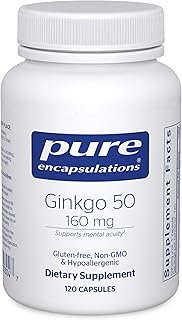
Many women navigating midlife and menopause seek ways to support cognitive function and maintain mental clarity. The idea of combining certain dietary compounds to enhance these effects is a topic of growing interest. Among these, Ginkgo biloba and caffeine are frequently discussed.
This article will explore the current understanding of combining Ginkgo biloba and caffeine, focusing on what the available scientific literature indicates regarding their potential effects on cognitive function. It’s important to approach this topic with an understanding that research in this area is still developing and evidence is often limited.
Understanding Ginkgo Biloba’s Role in Cognitive Function
Ginkgo biloba extracts are derived from the leaves of the Ginkgo tree and have been explored for their potential influence on various aspects of health, including cognitive processes. Some research suggests that certain plant-derived compounds, including those found in Ginkgo, may play a role in supporting human cognition [1].
The mechanisms by which Ginkgo biloba might exert its effects are thought to involve factors related to cerebral blood flow and antioxidant properties, though these are complex and not fully understood. It’s considered one of several nutritional supplements that may have an impact on brain function [2].
For women in midlife, maintaining mental energy and focus can be a priority. While Ginkgo biloba has been studied for its potential in this area, the overall body of evidence regarding its consistent cognitive benefits for healthy individuals is still being established [3].


Caffeine: A Common Cognitive Stimulant
Caffeine is widely consumed and recognized for its stimulating effects on the central nervous system. It’s known to temporarily enhance alertness and reduce feelings of fatigue. The mechanisms involve its interaction with adenosine receptors in the brain, which can lead to increased neuronal activity.
From a nutritional perspective, caffeine is a well-known compound that can influence mental energy [3]. Its effects on cognitive function, such as attention and reaction time, are generally immediate and noticeable, which is why it’s a popular choice for those seeking a quick mental boost.
However, like any stimulant, caffeine’s effects can vary significantly between individuals based on genetics, regular consumption habits, and overall sensitivity. While it can offer a temporary lift, it does not provide sustained cognitive enhancement or address underlying cognitive challenges [4].
Exploring the Ginkgo Caffeine Combination: Limited Evidence
The concept of combining Ginkgo biloba and caffeine is based on the idea that their different mechanisms of action might offer a synergistic or more comprehensive approach to cognitive support. Caffeine provides an immediate stimulant effect, while Ginkgo biloba is thought to have more gradual, longer-term influences.
However, specific research directly investigating the combined effects of Ginkgo biloba and caffeine on cognitive function, particularly in women in midlife, is limited. While some plant-derived nootropics have been reviewed for their impact on human cognition [1], studies specifically isolating and evaluating the interaction of Ginkgo and caffeine together are not extensively documented in the provided evidence.
It’s important to recognize that while individual components like Ginkgo biloba and caffeine are subjects of research regarding cognitive health [2], drawing definitive conclusions about their combined impact requires more dedicated studies. The evidence for a specific synergistic cognitive benefit from a ginkgo caffeine combination is currently not robust.
Potential Considerations and Risks
When considering any combination of dietary compounds, it’s crucial to be aware of potential interactions and individual sensitivities. Both Ginkgo biloba and caffeine can have effects on the body that may be amplified or altered when taken together.
Ginkgo biloba is known to interact with certain medications, particularly blood thinners, due to its potential antiplatelet effects. Caffeine can increase heart rate and blood pressure in some individuals. Combining these could potentially increase the risk of side effects for sensitive individuals, although direct evidence for this specific interaction for cognitive enhancement is not provided.
The overall impact of such a combination can vary greatly depending on individual health status, other medications, and the dosages involved. It’s always advisable to exercise caution and consult with a healthcare professional before combining supplements, especially if you have existing health conditions or are taking prescription medications.
Focusing on Overall Cognitive Wellness in Midlife
While exploring specific combinations like ginkgo and caffeine, it’s essential to remember that cognitive wellness in midlife and menopause is multifaceted. A holistic approach often yields the most sustainable benefits.
Key pillars of cognitive health include a balanced diet rich in nutrients, regular physical activity, adequate sleep, stress management, and engaging in mentally stimulating activities. These lifestyle factors are foundational for supporting brain health as we age [5][6].
Relying solely on supplements for cognitive support without addressing these broader lifestyle elements may offer limited or temporary effects. Dietary compounds may play a supportive role, but they are generally not a substitute for comprehensive wellness strategies.
Ginkgo Biloba and Caffeine: The Short Version
Research specifically testing ginkgo biloba combined with caffeine for cognitive effects is limited, most available evidence looks at each compound separately. Ginkgo does not contain caffeine itself, so combining the two means accounting for caffeine’s own stimulant effects and tolerance separately from any ginkgo-specific effects. See the Exploring the Ginkgo Caffeine Combination section above for what data does exist.

References
- Plant-derived nootropics and human cognition: A systematic review. Critical reviews in food science and nutrition, 2023
- Nutritional Supplements and the Brain. International journal of sport nutrition and exercise metabolism, 2018
- Mental energy: plausible neurological mechanisms and emerging research on the effects of natural dietary compounds. Nutritional neuroscience, 2021
- [Pharmacological cognitive enhancement from a perspective of misuse and addiction]. Fortschritte der Neurologie-Psychiatrie, 2015
- Nutritional prevention of cognitive decline and dementia. Acta bio-medica : Atenei Parmensis, 2018
- Nutrients, age and cognitive function. Current opinion in clinical nutrition and metabolic care, 1998
These statements have not been evaluated by the Food and Drug Administration. This information is not intended to diagnose, treat, cure, or prevent any disease. Content is for informational purposes only and is not medical advice; consult a qualified healthcare provider before starting any supplement. As an Amazon Associate we earn from qualifying purchases.