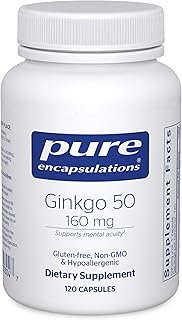
As women navigate perimenopause and menopause, various health changes can emerge, including shifts in blood pressure. Many individuals explore complementary approaches, such as herbal supplements, to support their well-being during this time.
Ginkgo biloba is one such herb often considered for its potential effects on the body. This article will provide an evidence-based overview of what is currently understood about ginkgo biloba and its relationship with blood pressure, specifically for women in midlife, highlighting the limitations of current research.
Understanding Blood Pressure in Perimenopause
Perimenopause is a transitional phase leading to menopause, marked by fluctuating hormone levels. These hormonal shifts can influence various bodily systems, including the cardiovascular system. Maintaining healthy blood pressure is an important aspect of overall health, particularly as women age.
It’s important to monitor blood pressure regularly and discuss any concerns with a healthcare provider. Lifestyle factors, such as diet and exercise, play a significant role in blood pressure management, alongside any prescribed medications.
What Does the Research Say About Ginkgo Biloba and Blood Pressure?
The scientific evidence regarding ginkgo biloba’s direct effects on blood pressure in humans, particularly in the context of perimenopausal women, is limited. A systemic review from 2014 examined ginkgo biloba extract for essential hypertension, suggesting that more high-quality research is needed to draw definitive conclusions [1].
Some research has explored ginkgo’s cardiovascular effects. For instance, an animal study conducted in 2000 indicated that ginkgo biloba extract might attenuate the development of hypertension in specific rat models [2]. However, findings from animal studies do not always translate directly to humans, and more research is necessary to understand if similar effects occur in women during perimenopause.
Overall, while ginkgo biloba is a widely studied herb for its potential benefits, its role in directly influencing blood pressure in humans, especially in perimenopausal women, remains an area requiring further investigation. The current evidence is not strong enough to suggest it as a reliable method for blood pressure management.
Ginkgo Biloba: Potential Interactions and Safety Concerns
When considering any supplement, including ginkgo biloba, it’s crucial to be aware of potential interactions with medications and existing health conditions. Several reviews highlight the possibility of herb-drug interactions, which can be particularly relevant for individuals taking prescription medications [3][4].
Ginkgo biloba may interact with various medications, including those for blood pressure. For example, a review in 2021 discussed pharmacokinetic and pharmacodynamic drug interactions of adrenergic β-blockers with clinically relevant drugs, noting that herbal products, including ginkgo, could be a consideration [5]. Another comprehensive review in 2024 specifically addressed cardiovascular effects of herbal products and their interaction with antihypertensive drugs, emphasizing the importance of caution [4].
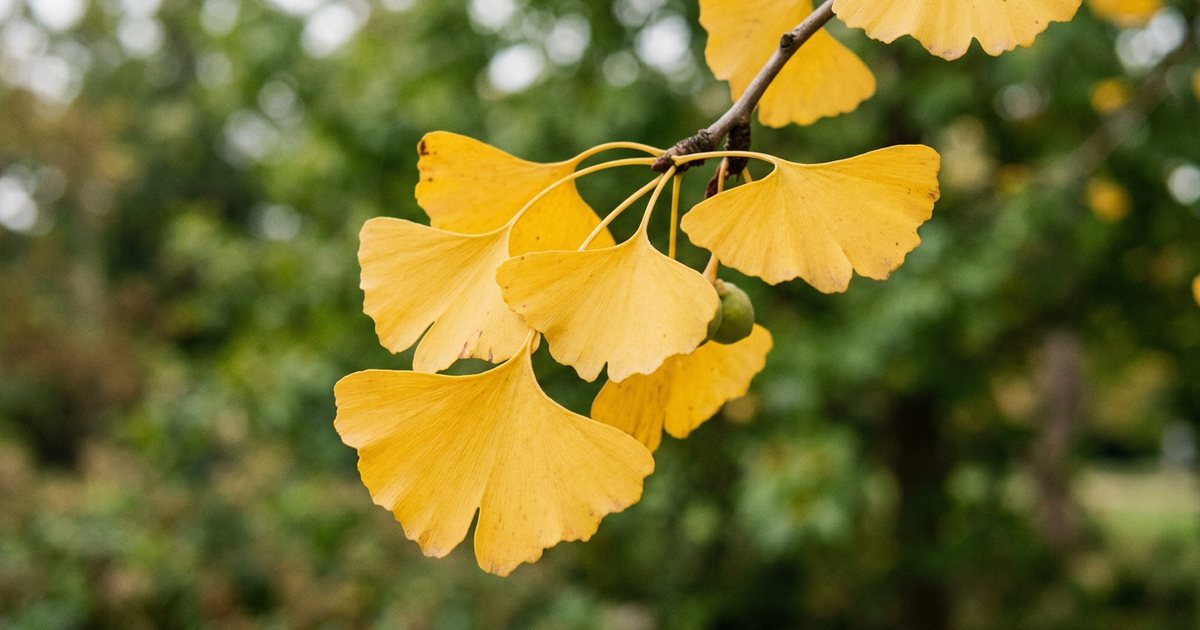
Some evidence suggests that ginkgo biloba could potentially affect blood clotting, which is a significant consideration for individuals on blood-thinning medications or those with bleeding disorders [6][7]. Always disclose all supplements and medications to your healthcare provider to help ensure your safety.
Ginkgo Biloba for Women in Midlife and Menopause
Beyond its potential (and limited) connection to blood pressure, ginkgo biloba has been a subject of interest for its effects on cognitive function and circulation, particularly in the context of aging [8]. However, its specific benefits for symptoms commonly experienced by women during perimenopause and menopause, such as hot flashes or mood changes, are not well-established.
For women navigating midlife, maintaining a healthy lifestyle, including a balanced diet, regular physical activity, and stress management, forms the cornerstone of well-being. Any decision to incorporate herbal supplements like ginkgo biloba should be made in consultation with a healthcare professional, especially given the limited direct evidence regarding its specific impact on perimenopausal symptoms or blood pressure.

References
- Ginkgo biloba extract for essential hypertension: a systemic review. Phytomedicine : international journal of phytotherapy and phytopharmacology, 2014
- Ginkgo biloba extract attenuates the development of hypertension in deoxycorticosterone acetate-salt hypertensive rats. Clinical and experimental pharmacology & physiology, 2000
- Herb-drug interactions. Lancet (London, England), 2000
- Cardiovascular Effects of Herbal Products and Their Interaction with Antihypertensive Drugs-Comprehensive Review. International journal of molecular sciences, 2024
- A Review on Pharmacokinetic and Pharmacodynamic Drug Interactions of Adrenergic β-blockers with Clinically Relevant Drugs-An Overview. Current drug metabolism, 2021
- Herbs commonly used by women: an evidence-based review. Disease-a-month : DM, 2002
- Herbs commonly used by women: an evidence-based review. American journal of obstetrics and gynecology, 2003
- Ginkgo biloba in the Aging Process: A Narrative Review. Antioxidants (Basel, Switzerland), 2022
These statements have not been evaluated by the Food and Drug Administration. This information is not intended to diagnose, treat, cure, or prevent any disease. Content is for informational purposes only and is not medical advice; consult a qualified healthcare provider before starting any supplement. As an Amazon Associate we earn from qualifying purchases.