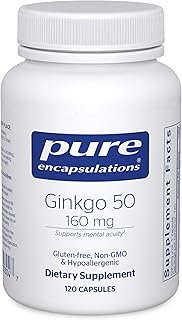
For women navigating midlife and menopause, understanding the potential effects of dietary supplements is an important part of personal health management. Ginkgo biloba is a widely used botanical, and while it’s often considered for its potential benefits, one of the most critical safety considerations involves its interaction with blood coagulation.
This article will explore the evidence surrounding ginkgo biloba’s potential to influence blood thinning, providing a clear and evidence-based overview of what you need to know, particularly if you are considering or already using blood-thinning medications.
The Basis of the Ginkgo Biloba Blood Thinning Warning
The primary safety warning associated with ginkgo biloba centers on its potential to affect blood clotting. Ginkgo biloba has been associated with case reports of bleeding, so there is concern about combining it with antiplatelet or anticoagulant drugs, which are medications specifically designed to reduce the blood’s ability to clot, although controlled studies have not found that ginkgo significantly affects clotting or the safety of aspirin or warfarin [1]. An idiosyncratic bleeding event cannot be excluded, so the possibility of increased bleeding is still raised, although evidence that ginkgo strengthens the effects of these drugs is scant.
Several studies have investigated this interaction, highlighting the importance of caution. A comprehensive analysis from 2025 specifically examined the impact of ginkgo biloba drug interactions on bleeding risk and coagulation profiles, underscoring the need for awareness [2]. Another review from 2008 also discussed the potential for ginkgo biloba leaf to interact with antiplatelet or anticoagulant drugs [1].

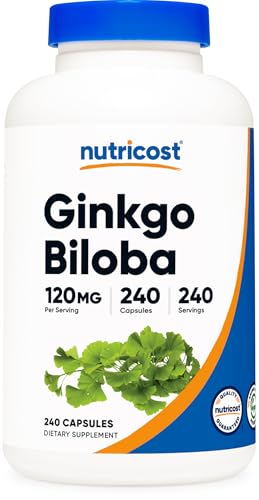
How Ginkgo Biloba Might Influence Blood Coagulation
The mechanisms by which ginkgo biloba might influence blood coagulation are an area of ongoing study. Some research suggests that certain compounds within ginkgo biloba could have effects that resemble those of antiplatelet agents. Platelets are tiny blood cells that help stop bleeding by clumping together to form clots. If ginkgo biloba influences platelet function, it could potentially reduce the blood’s clotting ability.
One study from 2024 explored how a combination of natural compounds, including ginkgo biloba, reduced platelet adhesion to activated vascular endothelium. This suggests a potential mechanism where ginkgo biloba could impact the initial steps of clot formation [3]. However, it’s important to note that the specific effects can vary depending on the ginkgo biloba extract and individual physiological responses.
Documented Cases and Research Findings
Concerns about ginkgo biloba and bleeding risk are not merely theoretical. There have been discussions and reports in the scientific literature regarding potential hemorrhagic events linked to ginkgo biloba use. A publication from 2008 specifically addressed the question, ‘Haemorrhage due to Ginkgo biloba?’ [4]. This highlights that clinicians and researchers have been aware of this potential issue for some time.
A 2011 study specifically focused on the risk of hemorrhage associated with co-prescriptions for ginkgo biloba and antiplatelet or anticoagulant drugs [5]. The findings from such studies underscore the importance of thoroughly reviewing all supplements with a healthcare provider, especially if other medications are being used.

However, not all research shows a significant impact on coagulation. For instance, a secondary analysis from a randomized, double-blind, placebo-controlled trial in 2021 indicated that a specific ginkgo biloba extract (EGb 761®) did not affect blood coagulation and bleeding time in patients with probable Alzheimer’s Dementia [6]. This suggests that the type of extract, dosage, and individual health status may play a role in the observed effects. Another study in 2010 explored the interaction between a standardized ginkgo biloba extract (VR456) with ticlopidine, warfarin, or cardioaspirin in rats and humans, contributing to the body of evidence on these interactions [7].
Interactions with Common Medications
The interaction between ginkgo biloba and blood-thinning medications is particularly relevant for individuals taking antiplatelet drugs (like aspirin) or anticoagulants (like warfarin). These medications are often prescribed for conditions common in midlife and menopause, such as heart disease risk or a history of blood clots. The combination of ginkgo biloba with these drugs could potentially amplify their effects, leading to an increased risk of bleeding.
A review in 2012 discussed the anticoagulant activity of select dietary supplements, placing ginkgo biloba among those with potential effects on blood clotting [8]. This reinforces the need for careful consideration when combining ginkgo biloba with prescription blood thinners. Always inform your healthcare provider about all supplements you are taking, especially before any surgical procedures, to avoid potential complications.
The Importance of Discussion with Your Healthcare Provider
Given the evidence, the most crucial takeaway regarding ginkgo biloba and blood thinning is the necessity of open communication with your healthcare provider. This is particularly vital for women in midlife and menopause who may be on multiple medications or have underlying health conditions that affect blood clotting.
Before starting any new supplement, including ginkgo biloba, it is essential to discuss it with your doctor or pharmacist. They can assess your individual health profile, review your current medications, and help you understand any potential interactions or risks, ensuring your safety and well-being.
References
- Potential interaction of Ginkgo biloba leaf with antiplatelet or anticoagulant drugs: what is the evidence?. Molecular nutrition & food research, 2008
- Impact of Ginkgo biloba drug interactions on bleeding risk and coagulation profiles: A comprehensive analysis. PloS one, 2025
- The Combination of Natural Compounds Escin-Bromelain-Ginkgo Biloba-Sage Miltiorrhiza (EBGS) Reduces Platelet Adhesion to TNFα-Activated Vascular Endothelium through FAK Signaling. International journal of molecular sciences, 2024
- Haemorrhage due to Ginkgo biloba?. Prescrire international, 2008
- Risk of hemorrhage associated with co-prescriptions for Ginkgo biloba and antiplatelet or anticoagulant drugs. Journal of alternative and complementary medicine (New York, N.Y.), 2011
- EGb 761(®) Does Not Affect Blood Coagulation and Bleeding Time in Patients with Probable Alzheimer’s Dementia-Secondary Analysis of a Randomized, Double-Blind Placebo-Controlled Trial. Healthcare (Basel, Switzerland), 2021
- Interaction between ticlopidine or warfarin or cardioaspirin with a highly standardized deterpened Ginkgo biloba extract (VR456) in rat and human. Acta bio-medica : Atenei Parmensis, 2010
- Anticoagulant activity of select dietary supplements. Nutrition reviews, 2012
These statements have not been evaluated by the Food and Drug Administration. This information is not intended to diagnose, treat, cure, or prevent any disease. Content is for informational purposes only and is not medical advice; consult a qualified healthcare provider before starting any supplement. As an Amazon Associate we earn from qualifying purchases.