Many women experience cognitive changes, often described as ‘brain fog,’ during midlife and menopause. These changes can include difficulties with memory, focus, and overall concentration, impacting daily life and well-being. Understanding potential supportive strategies is a common area of interest.
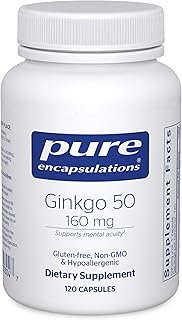
Ginkgo biloba, a well-known herbal supplement, has been studied for its potential effects on cognitive function. This article explores the current evidence regarding ginkgo biloba’s role in supporting brain function, particularly concerning brain fog and concentration, for women navigating this life stage.
Understanding Brain Fog in Midlife and Menopause
Brain fog is a common, non-medical term used to describe a cluster of symptoms including mental fatigue, difficulty concentrating, forgetfulness, and a general sense of mental sluggishness. These experiences are frequently reported by women during perimenopause and menopause, and are thought to be influenced by hormonal fluctuations, particularly declining estrogen levels.
While not a formal medical diagnosis, the impact of brain fog on quality of life can be significant, affecting work, relationships, and daily tasks. Many individuals seek ways to support their cognitive clarity during this time.
How Ginkgo Biloba May Support Cognitive Function
Ginkgo biloba extract, particularly standardized forms like EGb 761®, contains active compounds such as flavonoids and terpenoids. These compounds are believed to contribute to its potential effects on the brain. Research suggests that ginkgo may influence cerebral blood flow and possess antioxidant properties, which could be relevant for cognitive health [1].
The mechanisms by which ginkgo biloba might support cognitive function are complex and continue to be investigated. Some theories include its potential to modulate neurotransmitter systems and protect neural cells from oxidative stress [1]. These actions could, in theory, contribute to improved mental clarity and focus.
Ginkgo Biloba and Concentration: What the Evidence Suggests
Several studies have explored ginkgo biloba’s effects on concentration and other cognitive aspects. Some research indicates that ginkgo biloba extract, such as EGb 761®, may offer supportive benefits for cognitive function in certain populations [2]. This includes areas like attention and processing speed, which are integral to concentration.
While the evidence is considered moderate, some findings suggest a potential for improvement in cognitive domains, including the ability to focus. However, it’s important to note that many studies focus on specific cognitive impairments, and results may not directly translate to the general experience of menopausal brain fog. The efficacy can also vary depending on the specific extract, dosage, and duration of use [3].
It’s also worth considering that the overall impact on healthy individuals experiencing mild, age-related cognitive changes, such as those during midlife, might be subtle. More targeted research specifically on menopausal brain fog could provide further clarity.

Ginkgo Biloba and Memory Support
Beyond concentration, ginkgo biloba has also been examined for its potential to support memory. Cognitive changes during midlife often include concerns about memory lapses. Some expert consensus suggests that ginkgo biloba extract, specifically EGb 761®, may be considered as a strategy in the management of mild cognitive impairment [2].
The potential memory-supporting effects are often linked to the same mechanisms that might influence concentration, such as improved blood flow and antioxidant activity in the brain [1]. However, it is important to understand that these effects are generally observed in studies involving mild cognitive decline, and the benefits for healthy individuals experiencing normal age-related memory fluctuations may be less pronounced.

Considerations for Using Ginkgo Biloba
When considering any supplement, including ginkgo biloba, it’s essential to be aware of potential interactions and safety aspects. Ginkgo biloba can interact with certain medications, particularly blood thinners, due to its potential antiplatelet effects [4].
The quality and standardization of ginkgo biloba supplements can vary significantly. Look for products that clearly state the amount of standardized extract, such as EGb 761®, and the concentration of active compounds (flavonol glycosides and terpene lactones) [3]. Always discuss any new supplement with a healthcare provider to ensure it is appropriate for your individual health profile and to avoid potential interactions.

References
- Ginkgo biloba in the Aging Process: A Narrative Review. Antioxidants (Basel, Switzerland), 2022
- Strategies for the use of Ginkgo biloba extract, EGb 761(®) , in the treatment and management of mild cognitive impairment in Asia: Expert consensus. CNS neuroscience & therapeutics, 2021
- The Safety and Efficacy of Botanicals with Nootropic Effects. Current neuropharmacology, 2021
- Pharmacokinetic interactions between herbal medicines and prescribed drugs: focus on drug metabolic enzymes and transporters. Current drug metabolism, 2014
These statements have not been evaluated by the Food and Drug Administration. This information is not intended to diagnose, treat, cure, or prevent any disease. Content is for informational purposes only and is not medical advice; consult a qualified healthcare provider before starting any supplement. As an Amazon Associate we earn from qualifying purchases.