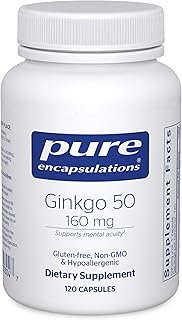
As women navigate midlife and the menopausal transition, maintaining optimal cognitive function often becomes a focus. Many factors can influence brain health during this time, and interest in natural approaches to support well-being is common.
Ginkgo biloba, a well-known herbal extract, has been studied for its potential effects on circulation, particularly to the brain. This article will explore the current understanding of how ginkgo may support brain blood flow, drawing on available research.
What is Ginkgo Biloba?
Ginkgo biloba is an ancient tree species, and extracts from its leaves have been used for various purposes. The standardized extract, often referred to as EGb 761, is the most commonly studied form in research [1]. This extract contains specific compounds, including flavonoids and terpenoids, which are thought to be responsible for its actions in the body [2].
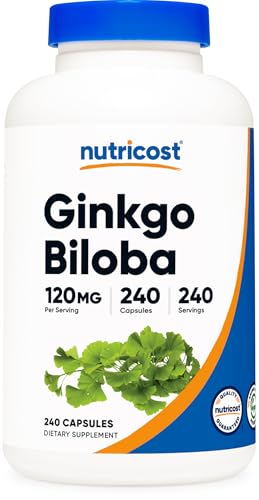
It’s important to note that not all ginkgo products are the same. Standardized extracts like EGb 761 are processed to ensure consistent levels of these active compounds, which is crucial for reproducible research findings and consistent product quality.

Understanding Brain Blood Flow and Cognitive Function
The brain requires a constant and robust supply of oxygen and nutrients to function effectively. This supply is delivered through a complex network of blood vessels. Optimal cerebral blood flow (CBF) is essential for various cognitive processes, including memory, attention, and executive function.
Changes in blood flow to the brain can sometimes occur with aging and may be influenced by hormonal shifts experienced during midlife and menopause. Supporting healthy circulation is a general approach that can contribute to overall brain well-being.
How Ginkgo May Support Brain Blood Flow
Research suggests that ginkgo improves brain blood flow through several potential mechanisms. One key aspect is its possible vasodilating effects, meaning it may help to widen blood vessels, thereby improving circulation [2]. This could lead to a more efficient delivery of oxygen and nutrients to brain tissues.
Additionally, ginkgo biloba extract may influence the properties of blood itself, potentially reducing blood viscosity and aggregation of blood components, which could further facilitate blood flow [2]. These combined actions are thought to contribute to its observed effects on cerebral circulation.
Some studies indicate that ginkgo biloba extract may also offer neuroprotective effects, which could indirectly support brain health by protecting brain cells from damage [3]. This protection might include antioxidant properties, helping to counteract oxidative stress in the brain [4].
Evidence for Ginkgo’s Effects on Brain Circulation
Several studies have explored the relationship between ginkgo biloba and brain blood flow. For instance, some research suggests that ginkgo biloba extract may contribute to ameliorating cerebrovascular dysfunction in certain models [5]. This indicates a potential role in supporting the health of blood vessels within the brain.

Clinical observations have also pointed to the potential efficacy of ginkgo biloba extract in conditions involving ischemic cerebrovascular concerns in elderly individuals, suggesting an impact on brain circulation [6]. While these findings are encouraging, it’s important to consider the scope and design of individual studies.
The overall evidence for ginkgo improving brain blood flow is considered moderate. While mechanisms are proposed and some studies show positive indications, more extensive research, particularly in diverse populations and specifically focusing on midlife women, could further clarify its precise role and benefits.
Considerations for Women in Midlife and Menopause
As women navigate midlife and menopause, the focus often shifts towards maintaining overall health and cognitive vitality. While ginkgo biloba is explored for its potential to support brain blood flow, it’s one piece of a larger wellness puzzle. A holistic approach that includes a balanced diet, regular physical activity, stress management, and adequate sleep is fundamental for brain health.
For those considering ginkgo biloba, it’s important to use standardized extracts and be aware of potential interactions with other medications. Discussing any new supplement with a healthcare provider is always a sensible step, particularly during this transitional life stage.
References
- EGb 761: ginkgo biloba extract, Ginkor. Drugs in R&D, 2003
- Ginkgo biloba: indications, mechanisms, and safety. The Psychiatric clinics of North America, 2013
- Neuroprotective effects of Ginkgo biloba extract. Cellular and molecular life sciences : CMLS, 2003
- Effects of Ginkgo biloba extract on brain oxidative condition after cisplatin exposure. Clinical and investigative medicine. Medecine clinique et experimentale, 2016
- Ginkgo biloba Extract GBE50 ameliorates cerebrovascular dysfunction and cognitive impairment in a mouse model of Alzheimer’s disease. Phytomedicine : international journal of phytotherapy and phytopharmacology, 2025
- Clinical efficacy and mechanism of Ginkgo biloba extract in the treatment of elderly ischemic cerebrovascular disease. Pakistan journal of pharmaceutical sciences, 2024
These statements have not been evaluated by the Food and Drug Administration. This information is not intended to diagnose, treat, cure, or prevent any disease. Content is for informational purposes only and is not medical advice; consult a qualified healthcare provider before starting any supplement. As an Amazon Associate we earn from qualifying purchases.