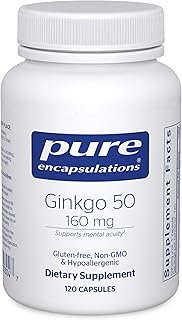
Many women navigating midlife and menopause incorporate herbal supplements like ginkgo biloba into their wellness routines. While ginkgo is often considered for various purposes, it’s important to understand how it might interact with medical procedures, especially surgery.
When facing an upcoming surgery, careful consideration of all medications and supplements is crucial. This article provides evidence-based guidance on when to stop taking ginkgo biloba before a procedure to support your informed decision-making.
Understanding Ginkgo Biloba’s Potential Effects
Ginkgo biloba is a widely used herbal supplement derived from the leaves of the ginkgo tree [1]. It contains various compounds, including flavonoids and terpenoids, which are thought to contribute to its biological activities [1]. While ginkgo has been explored for its potential effects on conditions like intermittent claudication and tinnitus, its impact on blood clotting mechanisms is particularly relevant in the context of surgery [2][3].
Some research suggests that ginkgo biloba may have properties that could influence blood coagulation [4]. This potential effect is a key reason why healthcare professionals often recommend discontinuing its use prior to surgical procedures. Understanding this aspect of ginkgo’s profile is essential for perioperative planning.

The Link Between Ginkgo and Bleeding Risk
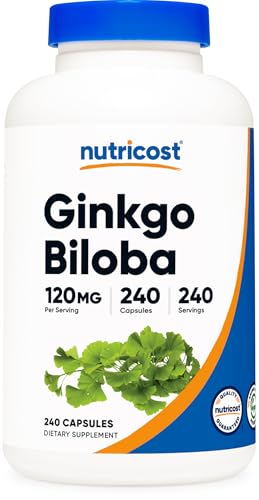
A primary concern regarding ginkgo biloba and surgery is its potential to increase the risk of bleeding [4]. While the exact mechanisms are still being studied, some reports have linked ginkgo use to hemorrhagic events [5]. This potential for altered blood clotting is why ginkgo is often included in lists of herbal supplements that may require discontinuation before medical procedures [6].
The effect of ginkgo on bleeding is considered significant enough that it is frequently highlighted in medical literature concerning perioperative care [6][7]. This potential interaction underscores the importance of transparent communication with your healthcare team about all supplements you are taking.
General Recommendations for Stopping Ginkgo Before Surgery
Given the potential for ginkgo biloba to influence bleeding, most healthcare professionals recommend discontinuing its use before surgery [4]. While specific timelines can vary based on the type of surgery and individual patient factors, a common recommendation is to stop taking ginkgo at least two weeks prior to any planned surgical procedure [6].
This two-week window is generally suggested to allow the body sufficient time to clear the supplement and minimize any potential effects on blood clotting during and after surgery. However, it is crucial to discuss this timeline with your surgeon or anesthesiologist, as they will provide personalized guidance based on your specific health profile and the nature of your procedure.

Why Communication with Your Healthcare Team is Key
Open and honest communication with your healthcare team is paramount when preparing for surgery. It is vital to inform your surgeon, anesthesiologist, and other healthcare providers about all medications, vitamins, and herbal supplements you are taking, including ginkgo biloba [6]. This comprehensive disclosure allows your medical team to assess potential interactions and make informed decisions about your perioperative care.
Your healthcare providers can offer specific advice tailored to your situation, considering your overall health, other medications, and the type of surgery you are undergoing. They may adjust the recommended stopping time for ginkgo or advise on other precautions to help ensure your safety during the procedure.
Other Supplements to Consider Before Surgery
While ginkgo biloba is a notable supplement to discuss with your doctor before surgery due to its potential impact on bleeding, it’s not the only one. Many other herbal supplements, such as ginseng, garlic, and feverfew, may also carry risks during the perioperative period, often related to bleeding or interactions with anesthesia [6][4].
It is always best practice to review your entire supplement regimen with your healthcare provider well in advance of any surgical procedure. This proactive approach helps to identify and manage any potential risks, contributing to a smoother and safer surgical experience.
References
- Ginkgo biloba–an appraisal. Kathmandu University medical journal (KUMJ), 2004
- Ginkgo biloba for intermittent claudication. The Cochrane database of systematic reviews, 2009
- Clinical practice guideline: tinnitus. Otolaryngology–head and neck surgery : official journal of American Academy of Otolaryngology-Head and Neck Surgery, 2014
- Dietary supplements and bleeding. Proceedings (Baylor University. Medical Center), 2022
- Haemorrhage due to Ginkgo biloba?. Prescrire international, 2008
- Herbal medicines and perioperative care. JAMA, 2001
- [Ginkgo biloba–effect, adverse events and drug interaction]. Tidsskrift for den Norske laegeforening : tidsskrift for praktisk medicin, ny raekke, 2012
These statements have not been evaluated by the Food and Drug Administration. This information is not intended to diagnose, treat, cure, or prevent any disease. Content is for informational purposes only and is not medical advice; consult a qualified healthcare provider before starting any supplement. As an Amazon Associate we earn from qualifying purchases.