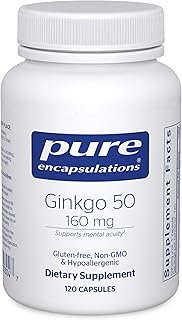
For women navigating the changes of midlife and menopause, understanding the nuances of dietary supplements can be valuable. Ginkgo biloba is a well-known botanical, and its extracts are commonly available. However, not all ginkgo products are the same, particularly concerning how they are prepared.
The way ginkgo biloba is processed into an extract can significantly influence its phytochemical profile, which in turn may affect its characteristics. This article explores the importance of ginkgo extract preparation methods and what to consider when choosing a product.
The Ginkgo Biloba Leaf: Starting Point for Extracts
The journey of a ginkgo biloba extract begins with the dried green leaves of the Ginkgo biloba tree [1]. These leaves contain a complex mixture of compounds, including flavonoids and terpenoids, which are often considered the primary active components [2][3]. The concentration and balance of these compounds are key to the extract’s profile.
The quality of the raw material itself can be a factor. Factors such as the age of the tree, growing conditions, and harvesting practices can subtly influence the chemical composition of the leaves before any extraction process even begins. This initial variability underscores the importance of standardized preparation methods to ensure consistency in the final product.


Standardized Extracts: What Does it Mean?
Many commercial ginkgo biloba products are sold as standardized extracts. This standardization aims to ensure that each batch contains a consistent level of specific active components, regardless of variations in the raw plant material [1]. This is a critical aspect for consumers seeking a product with a predictable composition.
A widely recognized standardized ginkgo biloba extract is EGb 761 [4]. This particular extract is typically standardized to contain 24% ginkgo flavone glycosides and 6% terpene lactones (bilobalides and ginkgolides) [1]. This precise ratio is a result of specific extraction and purification steps. The consistency offered by standardized extracts like EGb 761 is important for researchers conducting studies and for consumers seeking a reliable product.
The process of creating a standardized extract involves multiple steps, including initial solvent extraction, purification, and concentration. These steps are carefully controlled to achieve the desired balance of compounds. Without such standardization, the amount of beneficial compounds could vary significantly from one product to another.
Solvent-Based Extraction: A Key Step in Preparation
The extraction process typically involves using solvents to separate the desired compounds from the raw ginkgo leaves. Common solvents include water, ethanol, or mixtures thereof [1]. The choice of solvent and the conditions of extraction (like temperature and time) can significantly impact which compounds are extracted and in what concentrations.
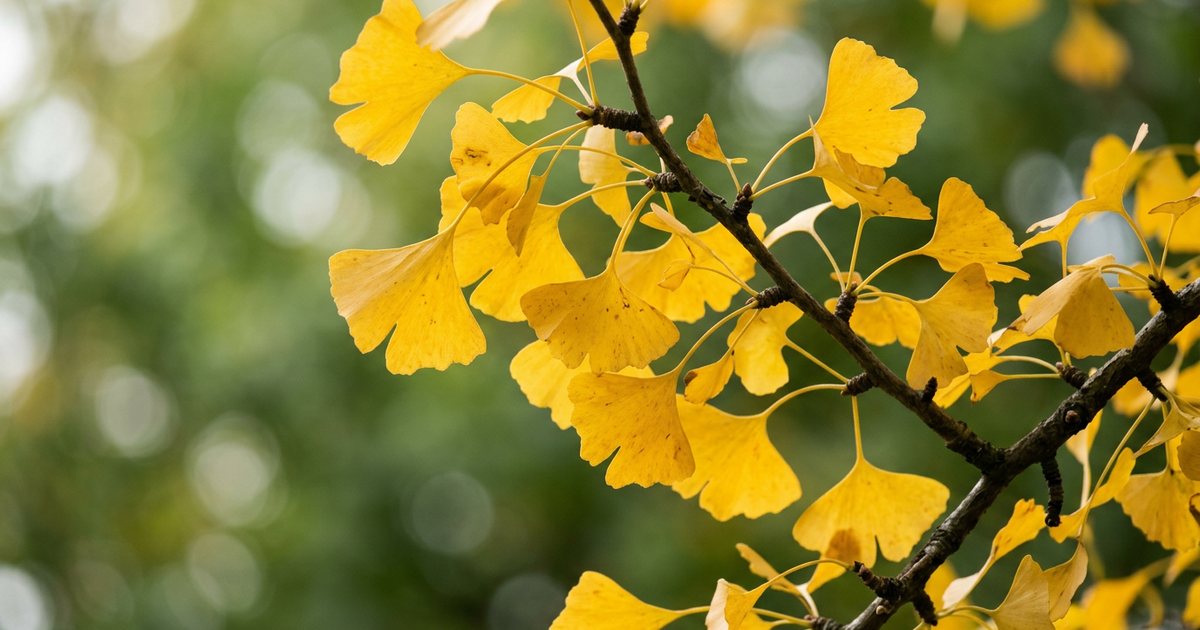
For instance, the specific solvent system used in the preparation of EGb 761 is crucial for achieving its characteristic profile of ginkgo flavone glycosides and terpene lactones [1]. Different solvents have varying abilities to dissolve different types of compounds. Therefore, altering the solvent system would likely lead to an extract with a different chemical fingerprint, potentially affecting its properties. This highlights why ‘ginkgo extract’ is not a single, uniform product.
Beyond Standardization: Full-Spectrum vs. Isolated Compounds
While standardized extracts focus on consistent levels of specific compounds, some products may aim for a ‘full-spectrum’ extract. The idea behind full-spectrum extracts is to retain the natural balance of compounds found in the plant, rather than concentrating on just a few [1]. However, without standardization, the exact composition of a full-spectrum product can vary.
In contrast, some research focuses on isolated compounds from ginkgo, such as specific ginkgolides, to understand their individual actions [2]. For example, ginkgolides have been studied for their neuroregulatory roles [2]. While isolating compounds can offer insights into their specific mechanisms, commercial ginkgo products are generally extracts containing a mixture of compounds, rather than single isolated chemicals.
Impact of Preparation on Research and Potential Effects
The meticulous preparation of standardized ginkgo extracts, such as EGb 761, is fundamental to much of the scientific research conducted on ginkgo biloba [4]. Studies investigating ginkgo’s effects on age-related neurocognitive disorders often utilize such carefully prepared extracts [5]. The consistency of these extracts allows for more reliable and comparable research findings.
For instance, systematic reviews and meta-analyses on topics like intermittent claudication have often focused on specific standardized extracts [6][7]. Similarly, research exploring ginkgo biloba extract for conditions like early diabetic nephropathy or age-related macular degeneration also relies on well-defined preparations [8][9]. When evaluating research, it’s important to consider which specific ginkgo preparation was used, as results may not be directly transferable to other, differently prepared extracts.
References
- Ginkgo. 2006
- Neuroregulatory role of ginkgolides. Molecular biology reports, 2021
- Studies on molecular mechanisms of Ginkgo biloba extract. Applied microbiology and biotechnology, 2004
- Pharmacodynamic and Clinical Effects of Ginkgo Biloba Extract EGb 761 and Its Phytochemical Components in Alzheimer’s Disease. Journal of Alzheimer’s disease : JAD, 2024
- Improvement of age-related neurocognitive disorders by Ginkgo biloba extract: neuroprotection in focus. International journal of psychiatry in clinical practice, 2026
- Ginkgo biloba extract for the treatment of intermittent claudication: a meta-analysis of randomized trials. The American journal of medicine, 2000
- Ginkgo biloba for intermittent claudication. The Cochrane database of systematic reviews, 2009
- Ginkgo biloba Extract for Patients with Early Diabetic Nephropathy: A Systematic Review. Evidence-based complementary and alternative medicine : eCAM, 2013
- Ginkgo biloba extract for age-related macular degeneration. The Cochrane database of systematic reviews, 2013
These statements have not been evaluated by the Food and Drug Administration. This information is not intended to diagnose, treat, cure, or prevent any disease. Content is for informational purposes only and is not medical advice; consult a qualified healthcare provider before starting any supplement. As an Amazon Associate we earn from qualifying purchases.