Many women experience shifts in energy levels and increased fatigue during perimenopause. This transitional phase can bring a range of physical and emotional changes, leading some to explore various natural approaches for support.
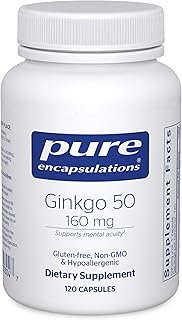
Ginkgo biloba is a popular botanical supplement, often studied for its potential effects on cognitive function. However, some wonder if it could also play a role in addressing the fatigue that can accompany perimenopause. This article will review the current, albeit limited, scientific understanding regarding ginkgo biloba and its potential connection to fatigue during this life stage.
Understanding Perimenopausal Fatigue
Perimenopause is the period leading up to menopause, characterized by fluctuating hormone levels, primarily estrogen and progesterone. These hormonal shifts can contribute to a variety of symptoms, including hot flashes, sleep disturbances, mood changes, and often, a pervasive sense of fatigue. This fatigue can impact daily activities and overall quality of life, prompting interest in supportive strategies.
While lifestyle adjustments such as regular exercise, a balanced diet, and stress management are foundational, some individuals look to dietary supplements for additional support. Ginkgo biloba is one such supplement that has garnered attention, though its specific effects on perimenopausal fatigue are still an area of early investigation.
Ginkgo Biloba and Hormonal Influences: Early Research
Research into ginkgo biloba’s potential interactions with the endocrine system, particularly in the context of menopause, is emerging. Some studies have investigated how ginkgo biloba extract might influence brain regions associated with hormonal regulation and energy. For instance, in menopause-induced ovariectomized rats, Ginkgo biloba extract has been observed to modulate the recruitment of astrocytes and microglia in the hippocampus and hypothalamus [1]. These brain regions are crucial for various functions, including stress response, mood, and energy balance.
Further animal research suggests that Ginkgo biloba Extract (GbE) may stimulate the hypothalamic serotonergic system in ovariectomized rats [2]. The hypothalamus is a key brain area involved in regulating hormones, metabolism, and energy, while the serotonergic system plays a role in mood, sleep, and appetite, all of which can influence feelings of fatigue. These findings, while promising, are from animal models and may not directly translate to human experiences.

Estrogenic Compounds in Ginkgo Biloba: What We Know
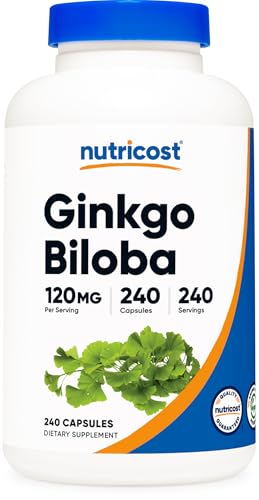
Beyond its general neurological effects, some components within Ginkgo biloba have been identified for potential estrogenic properties. Recent research involving Ginkgo biloba fruits has led to the isolation and identification of estrogenic phenolic glycosides [3]. These compounds could potentially interact with estrogen pathways in the body. Given that perimenopausal fatigue is often linked to fluctuating estrogen levels, the presence of such compounds warrants further investigation into their potential biological impact. However, it’s important to note that identifying compounds with estrogenic activity in a lab setting does not equate to a significant clinical effect on human estrogen levels or symptoms like fatigue.

The identification of these compounds opens avenues for future research to understand if and how they might influence the physiological changes experienced during perimenopause, including energy levels. Currently, direct evidence linking these specific compounds in ginkgo biloba to a reduction in perimenopausal fatigue in humans is lacking.
Limitations of Current Evidence for Ginkgo Perimenopause Fatigue
It is crucial to emphasize that the current scientific evidence directly linking ginkgo biloba to improved fatigue during perimenopause in humans is limited. Much of the research cited here involves animal models or focuses on identifying compounds rather than clinical outcomes in women. Animal studies provide valuable insights into biological mechanisms, but their findings do not always translate directly to human health or specific symptoms like perimenopausal fatigue.
There is a clear need for well-designed clinical trials involving perimenopausal women to determine if ginkgo biloba has any beneficial impact on fatigue or other related symptoms. Without such studies, any conclusions about its effectiveness for ginkgo perimenopause fatigue remain speculative and are not supported by robust human data.
References
- Ginkgo biloba extract modulates astrocytic and microglial recruitment in the hippocampus and hypothalamus of menopause-induced ovariectomized rats. Brain research, 2023
- Ginkgo biloba Extract (GbE) Stimulates the Hypothalamic Serotonergic System and Attenuates Obesity in Ovariectomized Rats. Frontiers in pharmacology, 2017
- Global Natural Products Social (GNPS)-Based Molecular-Networking-Guided Isolation of Phenolic Compounds from Ginkgo biloba Fruits and the Identification of Estrogenic Phenolic Glycosides. Plants (Basel, Switzerland), 2023
These statements have not been evaluated by the Food and Drug Administration. This information is not intended to diagnose, treat, cure, or prevent any disease. Content is for informational purposes only and is not medical advice; consult a qualified healthcare provider before starting any supplement. As an Amazon Associate we earn from qualifying purchases.