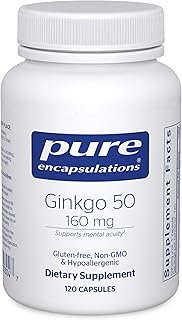
Navigating perimenopause can bring about various changes, and for many women, shifts in cognitive function, including concentration and focus, are a common experience. This article explores the current understanding of ginkgo biloba’s potential to support these aspects of cognitive health during this stage of life.
Ginkgo biloba extract is often discussed for its potential cognitive benefits. We will examine the evidence regarding its effects on concentration, particularly for women experiencing the natural changes associated with perimenopause.
Understanding Perimenopausal Cognitive Changes
Perimenopause is a transitional phase leading up to menopause, characterized by fluctuating hormone levels, particularly estrogen. These hormonal shifts can sometimes influence various bodily systems, including brain function. Many women report experiencing ‘brain fog,’ difficulty concentrating, or challenges with memory during this time. These experiences are often a normal part of the perimenopausal journey, prompting interest in supportive strategies.
While these cognitive shifts are common, their impact can vary significantly from person to person. Understanding potential approaches to support cognitive well-being during perimenopause is a focus for many women seeking to maintain their usual levels of concentration and mental clarity.
Ginkgo Biloba: A Look at the Evidence for Concentration
Ginkgo biloba, specifically standardized extracts like EGb 761, has been studied for its potential effects on cognitive function. Some research has explored whether ginkgo can influence aspects like attention and concentration. However, the overall evidence regarding its impact on concentration in healthy individuals, particularly during perimenopause, is considered moderate and sometimes mixed.
A systematic review from 2007 noted that ginkgo biloba for cognitive impairment and dementia has been the subject of research [1]. Another review in 2009 reiterated this, focusing on cognitive impairment and dementia [2]. While these reviews primarily address more significant cognitive challenges, they provide a foundation for understanding ginkgo’s broader cognitive research landscape. It’s important to distinguish between studies on cognitive impairment and those on enhancing normal cognitive function, as the mechanisms and expected outcomes may differ.
One study from 2003 investigated the effects on cognition and mood in postmenopausal women after one week of treatment with Ginkgo biloba [3]. Another study in 2005 looked at cognitive benefits in postmenopausal women after six weeks of treatment with Ginkgo biloba, finding limited benefits in Stage +2 postmenopausal women [4]. These studies highlight that research has specifically included postmenopausal women, though findings on concentration in this demographic can vary and may not always show significant benefits in all contexts or stages.
It is worth noting that while some studies have investigated ginkgo’s effects on memory in healthy individuals, such as a randomized controlled trial in 2002 [5], directly translating these findings to concentration improvements in perimenopausal women requires careful consideration. The specific mechanisms by which ginkgo might influence concentration are still being explored, but it is often suggested to involve support for healthy blood flow and antioxidant properties.

Ginkgo Biloba and Perimenopausal Women: Specific Research
Research directly addressing the impact of ginkgo biloba on concentration specifically in perimenopausal women without existing cognitive impairment is less extensive than studies on broader cognitive function or conditions like dementia. However, the studies mentioned earlier involving postmenopausal women [3][4] offer some insight into this demographic.
The 2003 study suggested some effects on cognition and mood in postmenopausal women after a short period of use [3]. In contrast, the 2005 study found limited cognitive benefits in a specific group of postmenopausal women after a longer treatment period [4]. These varying outcomes underscore the complexity of studying natural compounds and the importance of considering individual differences and study designs.
It is important for women considering ginkgo biloba for concentration during perimenopause to understand that while there is some research involving postmenopausal women, consistent, strong evidence specifically for enhancing concentration in healthy perimenopausal individuals is still developing. The moderate strength of evidence suggests that while some may find it supportive, it is not a universally established solution.
Dosage and Forms of Ginkgo Biloba
Ginkgo biloba extracts are typically standardized, meaning they contain a consistent amount of active compounds. The most commonly studied extract is EGb 761®, which has been investigated in various clinical settings [6]. This standardization helps ensure consistency in the product being consumed.
When considering ginkgo biloba, it is generally recommended to follow the guidance on product labels or consult with a healthcare professional. Dosages used in research studies can vary, and it’s important to select a reputable product to ensure quality and accurate ingredient levels.
Safety Considerations for Ginkgo Biloba
Ginkgo biloba is generally considered to have a good safety profile for many individuals. However, like any supplement, it can have potential interactions or side effects. For example, ginkgo may interact with blood-thinning medications, increasing the risk of bleeding. It is crucial to discuss any supplements with a healthcare provider, especially if you are taking other medications or have underlying health conditions.
The safety of ginkgo biloba-derived ingredients has been assessed, including their use in cosmetics [7]. This broad assessment contributes to understanding its overall safety aspects. However, for oral consumption, particular attention should be paid to potential interactions with medications and individual health circumstances. Always consult with a doctor before adding any new supplement to your routine, especially during perimenopause when hormonal changes are already occurring.
Lifestyle Factors Supporting Concentration
Beyond supplements, several lifestyle factors can significantly support concentration and overall cognitive well-being during perimenopause and beyond. Regular physical activity, a balanced diet rich in fruits, vegetables, and healthy fats, and adequate sleep are foundational for brain health. Managing stress through practices like mindfulness or meditation can also play a crucial role.

Engaging in mentally stimulating activities, maintaining social connections, and staying hydrated are additional strategies that can contribute to sustained focus and cognitive vitality. These holistic approaches often work synergistically to support cognitive function and can be beneficial alongside or independently of supplement use.


References
- Ginkgo biloba for cognitive impairment and dementia. The Cochrane database of systematic reviews, 2007
- Ginkgo biloba for cognitive impairment and dementia. The Cochrane database of systematic reviews, 2009
- Effects on cognition and mood in postmenopausal women of 1-week treatment with Ginkgo biloba. Pharmacology, biochemistry, and behavior, 2003
- Limited cognitive benefits in Stage +2 postmenopausal women after 6 weeks of treatment with Ginkgo biloba. Journal of psychopharmacology (Oxford, England), 2005
- Ginkgo for memory enhancement: a randomized controlled trial. JAMA, 2002
- EGb 761: ginkgo biloba extract, Ginkor. Drugs in R&D, 2003
- Safety Assessment of Ginkgo biloba-Derived Ingredients as Used in Cosmetics. International journal of toxicology, 2024
These statements have not been evaluated by the Food and Drug Administration. This information is not intended to diagnose, treat, cure, or prevent any disease. Content is for informational purposes only and is not medical advice; consult a qualified healthcare provider before starting any supplement. As an Amazon Associate we earn from qualifying purchases.