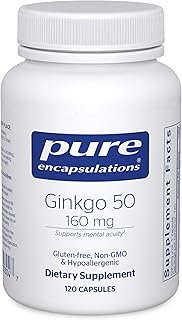
Navigating perimenopause often brings new or changing health challenges, and for some women, this includes an increase in the frequency or intensity of migraines and headaches. As interest grows in complementary approaches, questions often arise about the potential benefits of botanicals like ginkgo biloba.
This article explores the current understanding of ginkgo biloba’s potential impact on migraines and headaches, particularly during the perimenopausal transition. We’ll examine what the available research suggests, keeping in mind that the evidence in this specific area is considered limited.
Understanding Migraines and Perimenopause
Migraines are more than just severe headaches; they are a complex neurological condition often characterized by throbbing pain, sensitivity to light and sound, and nausea. Hormonal fluctuations are known to influence migraine patterns, which can become particularly noticeable during perimenopause as estrogen levels fluctuate significantly.
For many women, the perimenopausal period can be marked by unpredictable changes in menstrual cycles and hormone levels, which may coincide with shifts in migraine frequency, intensity, or even the development of new migraine patterns. Managing these symptoms often involves a multifaceted approach, and some individuals explore natural options like ginkgo biloba.
Ginkgo Biloba: A Brief Overview
Ginkgo biloba is an ancient tree, and extracts from its leaves have been used in traditional medicine for centuries. Modern research has explored various potential applications, often focusing on its reported antioxidant properties and its influence on blood flow [1][2]. These properties are often cited when considering its potential effects on neurological and cerebrovascular conditions.
The active compounds in ginkgo biloba, such as flavonoids and terpenoids, are believed to contribute to its biological activities. These compounds are thought to play a role in protecting cells from oxidative stress and influencing vascular function [2][1]. These mechanisms are sometimes discussed in the context of conditions affecting the brain and its blood supply.
Ginkgo Biloba for Migraines and Headaches: What the Evidence Suggests
The evidence specifically linking ginkgo biloba to a reduction in migraines or headaches during perimenopause is limited. However, some broader research has explored herbal therapies for migraine in general. A review from 2014 mentioned ginkgo biloba among various herbal therapies that have been investigated for migraine [3]. This suggests it has been on the research radar, though specific efficacy for perimenopausal migraines is not detailed.
More recent, preliminary research, such as a 2025 study, has used network pharmacology and molecular docking to investigate ginkgo seed components for migraine. This type of research aims to understand potential mechanisms at a molecular level, suggesting areas for future investigation into how ginkgo might interact with biological pathways relevant to migraine [4]. However, this is foundational, not clinical, evidence.

The potential antioxidant effects of ginkgo biloba have been considered in the broader context of migraine management. Antioxidants are thought to play a role in addressing oxidative stress, which has been implicated in the pathophysiology of migraine [2]. While ginkgo biloba possesses antioxidant properties [2], direct clinical trials demonstrating its effectiveness for migraines in perimenopausal women are not extensively available in the provided evidence.
Safety and Considerations for Ginkgo Biloba
While generally considered tolerable for many, ginkgo biloba can interact with certain medications. For instance, there is an overview of potential pharmacokinetic and pharmacodynamic drug interactions between adrenergic β-blockers and clinically relevant drugs, which includes ginkgo biloba [5]. This highlights the importance of discussing any herbal supplement use with a healthcare provider, especially if you are taking prescription medications.
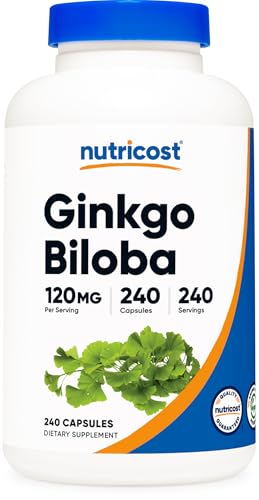
Other potential considerations include an increased risk of bleeding, particularly if taken with blood-thinning medications. Mild side effects like digestive upset, headaches, or dizziness have also been reported in some individuals. Due to the limited specific research on ginkgo biloba for perimenopausal migraines, it is crucial to approach its use with caution and informed discussion with a doctor or pharmacist.

References
- Current Perspectives on the Beneficial Role of Ginkgo biloba in Neurological and Cerebrovascular Disorders. Integrative medicine insights, 2015
- The Use of Antioxidants in the Treatment of Migraine. Antioxidants (Basel, Switzerland), 2020
- Herbal therapy in migraine. Neurological sciences : official journal of the Italian Neurological Society and of the Italian Society of Clinical Neurophysiology, 2014
- Ginkgo Seed as Medicine-Food Homology for Migraine: Network Pharmacology and Molecular Docking Insights. International journal of molecular sciences, 2025
- A Review on Pharmacokinetic and Pharmacodynamic Drug Interactions of Adrenergic β-blockers with Clinically Relevant Drugs-An Overview. Current drug metabolism, 2021
These statements have not been evaluated by the Food and Drug Administration. This information is not intended to diagnose, treat, cure, or prevent any disease. Content is for informational purposes only and is not medical advice; consult a qualified healthcare provider before starting any supplement. As an Amazon Associate we earn from qualifying purchases.