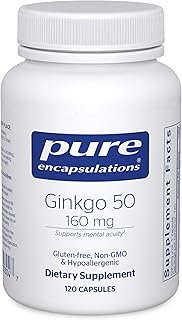
As women navigate midlife and menopause, various aspects of health become a focus. Vascular health, encompassing the well-being of our blood vessels, is a key area of interest. Maintaining healthy blood flow and vessel integrity is important for overall well-being.
Ginkgo biloba, an herbal extract derived from the leaves of the ginkgo tree, has been studied for its potential effects on the circulatory system. This article will explore the current understanding of ginkgo biloba’s role in vascular health, particularly for women over 40, based on available research.
Understanding Vascular Health in Midlife
Vascular health refers to the condition of arteries, veins, and capillaries throughout the body. These vessels are responsible for transporting oxygen and nutrients to tissues and organs, and removing waste products. With age, and particularly during and after menopause, women may experience changes in their vascular system.
Factors such as hormonal shifts can influence blood vessel function. Supporting vascular health through lifestyle choices and, potentially, certain supplements, is a common consideration during this life stage. Research into natural compounds like ginkgo biloba aims to understand how they might contribute to maintaining this vital system.
Ginkgo Biloba and Endothelial Function
The endothelium is the inner lining of blood vessels, playing a crucial role in vascular function, including regulating blood pressure and blood clotting. Maintaining healthy endothelial function is important for overall cardiovascular well-being.
Some research has investigated ginkgo biloba’s potential influence on endothelial function. For instance, studies in spontaneously hypertensive rats have suggested that ginkgo biloba extract may affect blood pressure and vascular endothelial response [1]. Further animal studies have indicated that ginkgo biloba may modulate signaling pathways related to endothelial dysfunction in lead acetate-induced rat models [2] and may abate lead-induced endothelial dysfunction in Wistar rats [3]. While these findings are promising, it is important to remember that animal study results do not always translate directly to human outcomes, and more human-specific research is needed to fully understand these effects in women.


Ginkgo Biloba and Vascular Permeability
Vascular permeability refers to how easily substances can pass through the walls of blood vessels. Under certain conditions, increased permeability can be a factor in various physiological processes. Maintaining appropriate vascular permeability is essential for healthy tissue function.
Some animal research has explored ginkgo biloba’s potential role in influencing vascular permeability. Studies in rat models have indicated that ginkgo biloba extract may reduce vascular permeability of the ovary [4][5]. While these findings are specific to an animal model and a particular condition (ovarian hyperstimulation syndrome), they contribute to the broader understanding of ginkgo’s potential interactions with vascular systems. The relevance of these specific findings to general vascular health in women over 40 requires further investigation.

Blood Flow and Microcirculation
Efficient blood flow, particularly microcirculation (the flow of blood in the smallest blood vessels), is vital for delivering oxygen and nutrients to all tissues, including the brain and extremities. Supporting healthy microcirculation is a common goal for maintaining vitality as we age.
While direct human studies on ginkgo biloba’s broad impact on microcirculation in healthy women over 40 are limited, some research indirectly touches upon related areas. For example, a study involving patients with normal tension glaucoma suggested that ginkgo biloba extract and bilberry anthocyanins might improve visual function [6], which could involve aspects of microcirculation in the eye. Additionally, some animal research, such as a study on a mouse model of Alzheimer’s disease, suggests that ginkgo biloba extract may ameliorate cerebrovascular dysfunction [7], implying potential effects on blood flow within the brain. However, these findings are not directly generalizable to general microcirculation benefits in healthy women.
Considerations for Women Over 40
As women enter their 40s and beyond, hormonal shifts associated with perimenopause and menopause can impact various bodily systems, including the cardiovascular system. Maintaining a healthy lifestyle, including regular physical activity, a balanced diet, and stress management, is fundamental for supporting vascular health.
While research on ginkgo biloba’s specific benefits for vascular health in women over 40 is ongoing and often derived from animal models or studies on specific conditions, the existing evidence offers moderate insights into its potential interactions with the vascular system. It is important for individuals to discuss any supplements with their healthcare provider to ensure they are appropriate for their individual health needs and circumstances.
References
- Effects of Ginkgo biloba extract on blood pressure and vascular endothelial response by acetylcholine in spontaneously hypertensive rats. The Journal of pharmacy and pharmacology, 2006
- Ginkgo biloba modulates ET-I/NO signalling in Lead Acetate induced rat model of endothelial dysfunction: Involvement of oxido-inflammatory mediators. International journal of environmental health research, 2024
- Ginkgo biloba supplement abates lead-induced endothelial and testicular dysfunction in Wistar rats via up-regulation of Bcl-2 protein expression, pituitary-testicular hormones and down-regulation of oxido-inflammatory reactions. Journal of trace elements in medicine and biology : organ of the Society for Minerals and Trace Elements (GMS), 2023
- Ginkgo biloba extract 761 reduces vascular permeability of the ovary and improves the symptom of ovarian hyperstimulation syndrome in a rat model. Gynecological endocrinology : the official journal of the International Society of Gynecological Endocrinology, 2022
- Ginkgo biloba extract 761 reduces vascular permeability of the ovary and improves the symptom of ovarian hyperstimulation syndrome in a rat model. Gynecological endocrinology : the official journal of the International Society of Gynecological Endocrinology, 2022
- Ginkgo biloba extract and bilberry anthocyanins improve visual function in patients with normal tension glaucoma. Journal of medicinal food, 2012
- Ginkgo biloba Extract GBE50 ameliorates cerebrovascular dysfunction and cognitive impairment in a mouse model of Alzheimer’s disease. Phytomedicine : international journal of phytotherapy and phytopharmacology, 2025
These statements have not been evaluated by the Food and Drug Administration. This information is not intended to diagnose, treat, cure, or prevent any disease. Content is for informational purposes only and is not medical advice; consult a qualified healthcare provider before starting any supplement. As an Amazon Associate we earn from qualifying purchases.