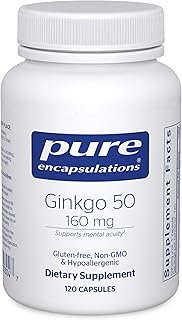
Navigating the world of dietary supplements, especially during midlife and menopause, often involves considering various labels and claims. When it comes to ginkgo biloba, terms like ‘organic’ and ‘non-GMO’ frequently appear. Understanding what these labels signify can help you make informed choices about your ginkgo biloba supplements.
This article will explore the general meaning of organic and non-GMO certifications in the context of ginkgo biloba, discussing their potential implications for product quality and purity. It’s important to note that specific research directly linking these labels to enhanced efficacy of ginkgo biloba for women in midlife and menopause is limited, but we can look at what current research suggests about ginkgo’s components.
What Does ‘Organic’ Mean for Ginkgo Biloba?
The term ‘organic’ generally refers to how a plant is grown and processed. For ginkgo biloba, an organic certification usually means the ginkgo trees were cultivated without synthetic pesticides, herbicides, or fertilizers. Organic farming practices often prioritize soil health, biodiversity, and ecological balance.
While the specific impact of organic cultivation on the active compounds within ginkgo biloba is not extensively studied in the provided evidence, research has focused on isolating key compounds from ginkgo leaves. For example, studies have worked on the preparative isolation of terpene trilactones from Ginkgo biloba leaves [1], and the purification and identification of genistein in Ginkgo biloba leaf extract [2]. The presence of these compounds is a focus of quality control, regardless of organic certification. Organic practices aim to minimize exposure to synthetic chemicals in the cultivation process, which some individuals prioritize for their supplement choices.

Understanding ‘Non-GMO’ in Ginkgo Biloba Supplements
GMO stands for Genetically Modified Organism. A ‘non-GMO’ label on a ginkgo biloba product indicates that the ginkgo plant used was not genetically engineered. This means its genetic material has not been altered in a way that does not occur naturally through mating and/or natural recombination.
For most traditional herbal supplements like ginkgo biloba, the likelihood of genetic modification is relatively low compared to some common food crops. However, the non-GMO label provides assurance for consumers who prefer to avoid genetically modified ingredients. The provided evidence focuses on the naturally occurring compounds within ginkgo, such as the isolation of main biologically active substances from Ginkgo biloba callus culture extracts [3] and the identification of compounds like genistein from leaf extracts [2]. These studies examine the inherent chemistry of the ginkgo plant, which is distinct from genetic modification concerns.

Purity and Quality: Beyond Organic and Non-GMO
While organic and non-GMO labels address specific aspects of cultivation and genetic modification, overall quality and purity in ginkgo biloba supplements involve other important factors. These include the standardization of extracts, the absence of contaminants, and proper manufacturing practices.

Standardized ginkgo biloba extracts typically specify the concentration of active compounds like ginkgo flavone glycosides and terpene lactones. For instance, research has explored the preparative isolation of terpene trilactones from Ginkgo biloba leaves [1]. Another study focused on the isolation of main biologically active substances from Ginkgo biloba callus culture extracts [3]. These efforts aim to ensure a consistent profile of key compounds, which is a significant indicator of product quality. Regardless of organic or non-GMO status, a reputable manufacturer should be able to provide information on the standardization and purity of their ginkgo biloba products.
What the Evidence Suggests About Ginkgo’s Components
The scientific evidence available focuses on identifying and isolating specific compounds from ginkgo biloba. For example, terpene trilactones have been isolated from ginkgo leaves [1], and genistein has been purified and identified in ginkgo biloba leaf extract [2]. More recently, main biologically active substances have been isolated and analyzed from ginkgo biloba callus culture extracts [3].
These studies highlight the complex chemical makeup of ginkgo biloba and the ongoing efforts to understand its constituents. While the provided research does not directly compare organic versus conventionally grown ginkgo, or GMO versus non-GMO ginkgo, in terms of their active compound profiles or potential effects, it does establish methods for identifying and quantifying these compounds. Consumers seeking ginkgo biloba often look for products that are reliably sourced and processed to deliver these components.
Making Informed Choices for Midlife and Menopause
For women navigating midlife and menopause, choosing supplements involves careful consideration of many factors. When evaluating ginkgo biloba, deciding whether to prioritize organic and non-GMO labels is a personal preference.
These labels may offer assurance regarding cultivation practices and genetic modification. However, it is also important to consider other quality indicators such as third-party testing for purity, standardization of active ingredients like those isolated in research [1][2], and transparent manufacturing processes. Focusing on a reputable brand that provides detailed product information can be beneficial.
References
- Preparative isolation of terpene trilactones from Ginkgo biloba leaves. Journal of chromatography. A, 2005
- [Purification and identification of genistein in Ginkgo biloba leaf extract]. Se pu = Chinese journal of chromatography, 2007
- Isolation of the Main Biologically Active Substances and Phytochemical Analysis of Ginkgo biloba Callus Culture Extracts. Molecules (Basel, Switzerland), 2023
These statements have not been evaluated by the Food and Drug Administration. This information is not intended to diagnose, treat, cure, or prevent any disease. Content is for informational purposes only and is not medical advice; consult a qualified healthcare provider before starting any supplement. As an Amazon Associate we earn from qualifying purchases.