Experiencing cold hands and feet can be a common, yet often bothersome, symptom for women navigating perimenopause. Hormonal shifts during this time can sometimes influence various bodily systems, including circulation. Understanding potential supportive approaches can be helpful for managing these changes.
Ginkgo biloba, an herbal extract derived from the leaves of the ginkgo tree, has been investigated for its potential effects on blood flow. This article explores the current understanding of how ginkgo biloba might support peripheral circulation, offering insights for those experiencing cold extremities during perimenopause.
Understanding Peripheral Circulation and Its Role in Perimenopause
Peripheral circulation refers to the blood flow in the vessels outside of the heart and brain, particularly in the limbs. Efficient peripheral circulation is crucial for delivering oxygen and nutrients to tissues and removing waste products. When this circulation is compromised, it can lead to sensations of coldness, numbness, or tingling in the hands and feet.
During perimenopause, fluctuations in hormone levels, particularly estrogen, can impact blood vessel function and overall circulatory health. While the exact mechanisms are complex and still being researched, these hormonal shifts may contribute to changes in how blood vessels constrict and dilate, potentially affecting blood flow to the extremities. It’s important to note that various factors can influence microcirculation, including neuroendocrine and immunological systems [1].
How Ginkgo Biloba May Support Peripheral Blood Flow
Ginkgo biloba extract, often standardized to contain specific compounds called flavone glycosides and terpene lactones, has been studied for its potential effects on the circulatory system. Research suggests that ginkgo may influence blood fluidity and microcirculation. For instance, a study involving volunteers indicated an effect of ginkgo biloba on the fluidity of blood and peripheral microcirculation [2].
The mechanisms by which ginkgo might exert these effects are thought to involve several pathways. It has been reviewed for its potential neuroprotective properties, possibly related to its influence on platelet-activating factor (PAF) [3]. PAF is a potent mediator involved in various physiological and pathological processes, including blood clotting and inflammation. By potentially moderating PAF activity, ginkgo may contribute to improved blood flow. Further, ginkgo has been explored for its general efficacy and safety in various clinical and preclinical applications [4].
Ginkgo Biloba and Cold Extremities: What the Evidence Suggests
For individuals experiencing cold hands and feet, particularly during perimenopause, improving peripheral circulation is often a key area of focus. A meta-analysis of controlled clinical studies explored the use of ginkgo biloba extract in peripheral arterial diseases, suggesting its potential relevance to conditions affecting blood flow in the extremities [5]. While peripheral arterial disease is a specific medical condition, the findings may offer insights into ginkgo’s broader impact on peripheral circulation.
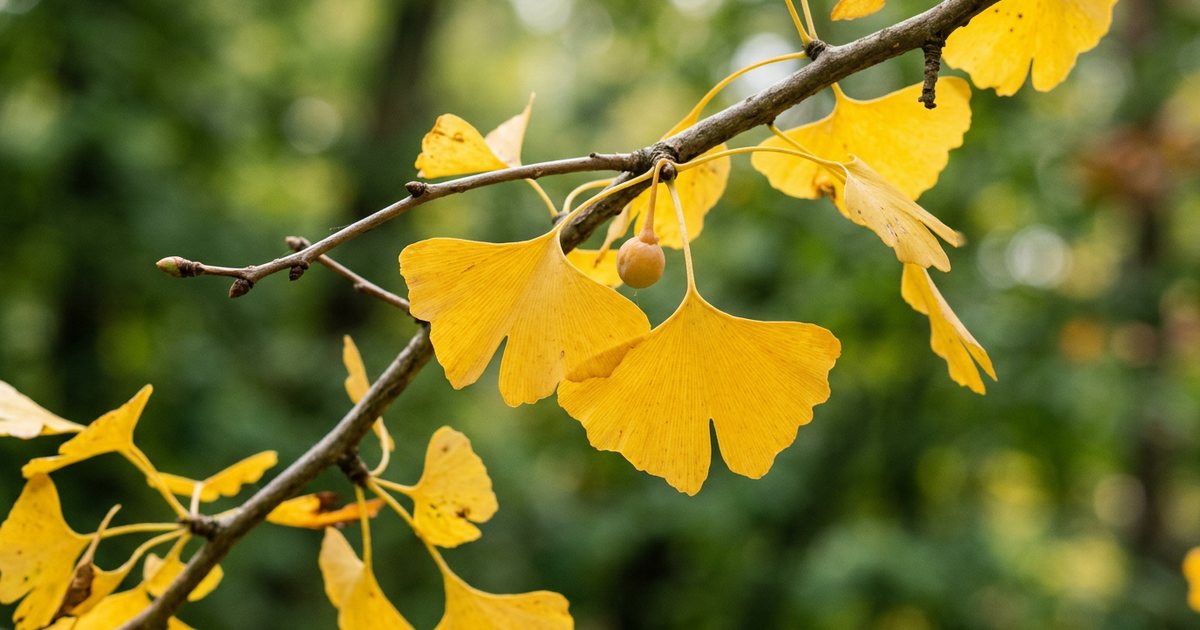
While direct studies specifically linking ginkgo biloba to easing cold hands and feet in perimenopausal women are limited, the existing evidence on its circulatory effects provides a basis for understanding its potential role. The focus here is on general support for healthy circulation, which might, in turn, contribute to more comfortable extremities. It’s important to consider ginkgo as a supportive measure rather than a definitive solution for any medical condition.
Integrating Ginkgo Biloba into a Midlife Wellness Routine
For women in perimenopause seeking to support their peripheral circulation and potentially alleviate cold hands and feet, incorporating ginkgo biloba might be considered as part of a broader wellness strategy. This strategy often includes regular physical activity, which naturally promotes blood flow, and a balanced diet rich in nutrients that support vascular health.
When considering ginkgo biloba, it is generally recommended to use standardized extracts to ensure consistent levels of active compounds. While evidence suggests potential benefits for circulation, individual responses can vary. As with any supplement, discussing its use with a healthcare provider is prudent, especially if you are taking other medications or have underlying health conditions.

References
- Neuroendocrine, immunologic, and microvascular systems interactions in rheumatoid arthritis: physiopathogenetic and therapeutic perspectives. Seminars in arthritis and rheumatism, 1999
- Effect of Ginkgo biloba on fluidity of blood and peripheral microcirculation in volunteers. Arzneimittel-Forschung, 1990
- The neuroprotective properties of the Ginkgo biloba leaf: a review of the possible relationship to platelet-activating factor (PAF). Journal of ethnopharmacology, 1996
- Efficacy, safety, and use of ginkgo biloba in clinical and preclinical applications. Alternative therapies in health and medicine, 2001
- [Ginkgo biloba extract in peripheral arterial diseases. Meta-analysis of controlled clinical studies]. Arzneimittel-Forschung, 1992
These statements have not been evaluated by the Food and Drug Administration. This information is not intended to diagnose, treat, cure, or prevent any disease. Content is for informational purposes only and is not medical advice; consult a qualified healthcare provider before starting any supplement. As an Amazon Associate we earn from qualifying purchases.