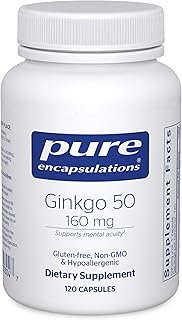
Ginkgo biloba, often simply called ginkgo, is an ancient tree whose leaves have been used for centuries in traditional practices. It is one of the oldest living tree species, with a history spanning millions of years. For women in perimenopause, understanding various botanical options can be a part of a holistic approach to well-being.
This guide will explore what ginkgo biloba is, its key components, and some of the areas researchers have investigated regarding its potential effects. We aim to provide clear, evidence-based information to help you understand this botanical ingredient better.
Understanding Ginkgo Biloba: An Ancient Botanical
Ginkgo biloba is a unique species of tree native to China. Its distinctive fan-shaped leaves are the primary source of the extracts used in supplements. The ginkgo tree is remarkably resilient and has a long history of cultivation and use, particularly in traditional Chinese medicine.
When people refer to ginkgo biloba in a health context, they are usually referring to an extract made from the leaves. A common standardized extract is known as EGb 761 [1]. This extract is designed to contain consistent levels of its active compounds, which are believed to contribute to its observed effects.
Key Components of Ginkgo Biloba Extract
The beneficial properties of Ginkgo biloba are primarily attributed to its unique chemical compounds. These include flavonoids and terpenoids, particularly ginkgolides and bilobalides [2]. The standardized extract EGb 761 contains these components in specific concentrations [1].
Flavonoids are plant-based antioxidants, while terpenoids are unique to ginkgo and are thought to contribute to its distinct biological activities. The balance and synergy of these compounds are believed to be important for the overall effects of ginkgo extracts [2].
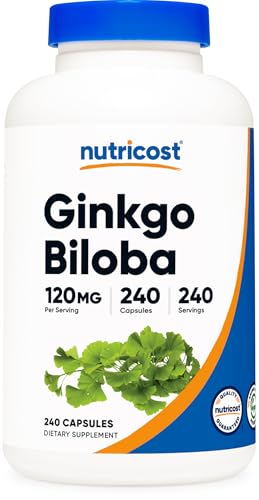
Ginkgo Biloba and Cognitive Function
One of the most widely researched areas concerning ginkgo biloba is its potential influence on cognitive function, particularly memory. Early research in the 1990s explored the relationship between ginkgo biloba and memory [3].
More recently, standardized ginkgo biloba extract EGb 761 has been reviewed for its potential in individuals with mild neurocognitive impairment [4]. A meta-analysis also suggested that EGb 761 may be effective for individuals with mild dementia [5]. It is important to note that these areas of research focus on specific cognitive challenges, not general cognitive enhancement in healthy individuals.
Other Areas of Research for Ginkgo Biloba
Beyond cognitive function, ginkgo biloba extract has been explored in various other health contexts. For example, its potential as a neuroprotective agent has been investigated in relation to Alzheimer’s disease [6].
Systematic reviews have also summarized the research on EGb 761 for a range of conditions. This includes an overview of its potential applications in various diseases [7]. There is also research exploring its role in conditions like ischemic stroke [8] and even its potential effects on noise trauma-induced cochlear synaptopathy [9]. Additionally, a narrative review has discussed the standardized extract EGb 761 for knee osteoarthritis [10].


References
- EGb 761: ginkgo biloba extract, Ginkor. Drugs in R&D, 2003
- Biflavonoids: Important Contributions to the Health Benefits of Ginkgo (Ginkgo biloba L.). Plants (Basel, Switzerland), 2022
- Ginkgo biloba and Memory: An Overview. Nutritional neuroscience, 1998
- Ginkgo biloba Extract EGb 761 in the Treatment of Patients with Mild Neurocognitive Impairment: A Systematic Review. Neuropsychiatric disease and treatment, 2023
- Ginkgo biloba extract EGb 761 is safe and effective in the treatment of mild dementia – a meta-analysis of patient subgroups in randomised controlled trials. The world journal of biological psychiatry : the official journal of the World Federation of Societies of Biological Psychiatry, 2025
- The Use of Ginkgo Biloba L. as a Neuroprotective Agent in the Alzheimer’s Disease. Frontiers in pharmacology, 2021
- Ginkgo biloba leaf extract EGb 761® for the treatment of various diseases: Overview of systematic reviews. Phytomedicine : international journal of phytotherapy and phytopharmacology, 2025
- Chinese herbal medicine Ginkgo biloba L. preparations for ischemic stroke: An overview of systematic reviews and meta-analyses. Journal of integrative medicine, 2024
- Preventive Effects of Ginkgo-Extract EGb 761(®) on Noise Trauma-Induced Cochlear Synaptopathy. Nutrients, 2022
- Standardized Ginkgo Biloba Extract (EGb 761) for Knee Osteoarthritis: A Narrative Review. Drug design, development and therapy, 2025
These statements have not been evaluated by the Food and Drug Administration. This information is not intended to diagnose, treat, cure, or prevent any disease. Content is for informational purposes only and is not medical advice; consult a qualified healthcare provider before starting any supplement. As an Amazon Associate we earn from qualifying purchases.