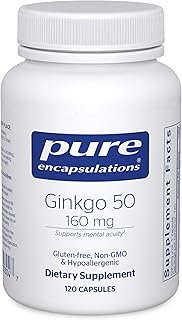
As women navigate the hormonal shifts of perimenopause, many seek ways to support cognitive function, including memory. Botanical supplements like Ginkgo biloba and Bacopa monnieri are sometimes considered for this purpose.
This article provides an evidence-based comparison of Ginkgo biloba and Bacopa monnieri regarding their potential roles in memory support, drawing from available research to help you understand their differences.
Understanding Ginkgo Biloba and Its Potential for Memory
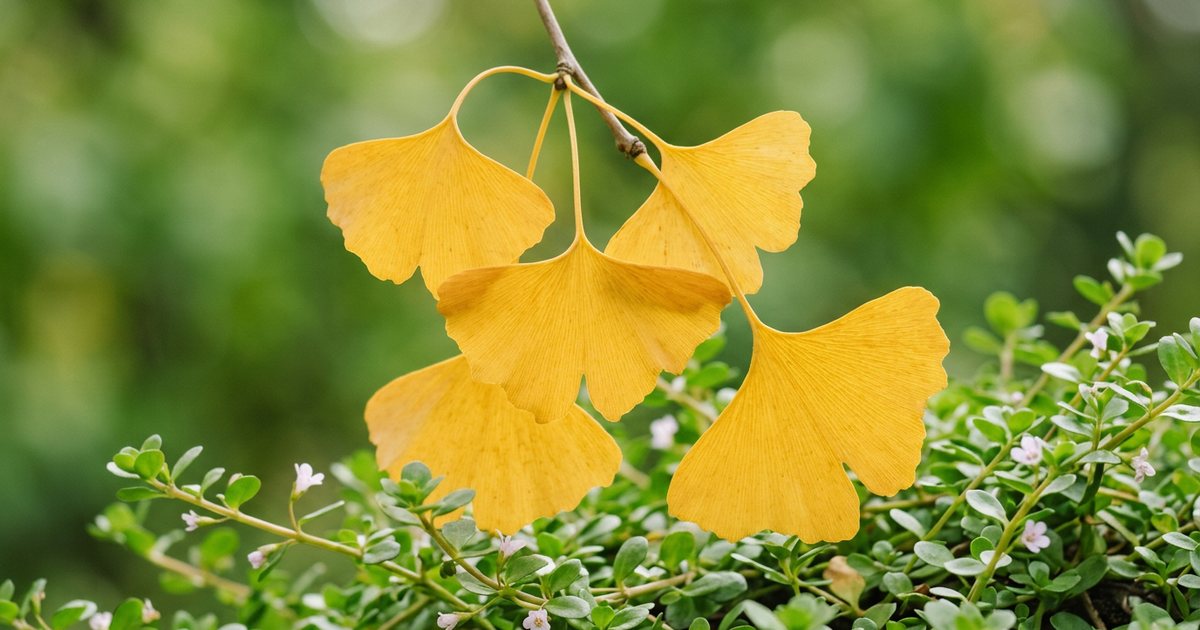
Ginkgo biloba, derived from the leaves of the Ginkgo tree, is one of the oldest living tree species and has a long history of use in traditional practices. Its extracts are often standardized to contain specific compounds, such as flavone glycosides and terpene lactones.
When considering cognitive function, Ginkgo biloba is frequently associated with supporting blood flow, particularly to the brain, and offering antioxidant properties. These mechanisms are thought to contribute to its potential effects on various aspects of cognition. Research has explored its impact on memory and other cognitive domains, with some studies suggesting potential benefits [1].


Bacopa Monnieri: An Overview for Cognitive Support
Bacopa monnieri, also known as ‘Brahmi,’ is a perennial herb native to wetlands in India and other parts of Asia. It has been a staple in Ayurvedic traditions for centuries, particularly for its perceived benefits related to memory and learning.
The primary active compounds in Bacopa monnieri are bacosides, which are believed to influence neurotransmitter systems and neuronal communication. These actions are thought to underpin its potential for cognitive enhancement. Studies have investigated Bacopa monnieri’s effects on memory, learning, and other cognitive measures, indicating potential benefits [1].
Ginkgo vs. Bacopa for Memory: What the Research Suggests
When directly comparing Ginkgo biloba and Bacopa monnieri for their effects on cognitive functions, including memory, research offers some insights. A systematic review and network meta-analysis published in 2026 examined the comparative effects of these two botanicals on cognitive functions. This analysis suggests that both Bacopa monnieri and Ginkgo biloba may offer support for cognitive functions [1].
Another study published in 2021 explored the acute and chronic effects of Bacopa monnieri, Ginkgo biloba, and other botanicals on learning and memory in mice. This research provides a comparative perspective on their impact in an animal model [2]. While animal studies can offer initial insights, their findings do not always directly translate to human experiences.
The systematic review and network meta-analysis provides a more comprehensive look at human studies, indicating that both botanicals show promise for cognitive support. However, it’s important to note that the strength and consistency of these effects can vary, and individual responses may differ [1].
Differences in Mechanisms and Focus
While both Ginkgo biloba and Bacopa monnieri are explored for memory support, their proposed mechanisms of action differ. Ginkgo biloba is often associated with improving cerebral blood flow and acting as an antioxidant, potentially supporting overall brain health and function. These actions may indirectly benefit memory by ensuring optimal neuronal environment.
Bacopa monnieri, on the other hand, is thought to primarily influence neurotransmitter systems, particularly those involved in learning and memory, and to support neuronal dendrite growth. Its effects are often described as more directly impacting the processes of memory formation and recall. Understanding these distinct approaches can help in considering which botanical might align best with individual needs, though more research is always beneficial for definitive conclusions.
Considering Evidence Strength and Individual Factors
The evidence base for both Ginkgo biloba and Bacopa monnieri regarding memory support is moderate. While systematic reviews and meta-analyses provide a higher level of evidence by synthesizing multiple studies, individual studies can vary in design, participant numbers, and specific outcomes measured. This means that while there are encouraging findings, more large-scale, long-term human studies are always valuable to further solidify understanding.
During perimenopause, cognitive changes can be complex and influenced by various factors, including hormonal fluctuations, stress, sleep patterns, and lifestyle. Therefore, any approach to memory support should ideally be holistic, considering these broader aspects of health. Botanical supplements may be one component of a broader strategy.
Choosing Between Ginkgo and Bacopa: What to Consider
When weighing Ginkgo biloba against Bacopa monnieri for memory support during perimenopause, several factors might influence a personal choice. Both have some evidence suggesting potential benefits for cognitive functions, including memory [1].
Ginkgo biloba is often chosen for its general brain health support, including circulation. Bacopa monnieri is frequently considered for its more direct association with learning and memory processes. The choice may depend on individual priorities and how these botanicals align with one’s overall health goals. Consulting with a healthcare provider can provide personalized guidance, especially when considering existing health conditions or other medications.
References
- Comparative effects of Bacopa monnieri and Ginkgo biloba on cognitive functions: A systematic review and network meta-analysis. Phytomedicine : international journal of phytotherapy and phytopharmacology, 2026
- Comparison of acute and chronic effects of Bacopa monnieri, Ginkgo biloba, and Lavandula angustifolia and their mixture on learning and memory in mice. Phytotherapy research : PTR, 2021
These statements have not been evaluated by the Food and Drug Administration. This information is not intended to diagnose, treat, cure, or prevent any disease. Content is for informational purposes only and is not medical advice; consult a qualified healthcare provider before starting any supplement. As an Amazon Associate we earn from qualifying purchases.