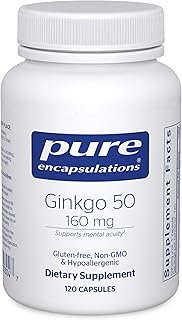
As women navigate midlife and menopause, exploring various supplements is common. Ginkgo biloba, derived from the leaves of the ginkgo tree, is one such supplement often considered for its potential benefits.
However, like any supplement, ginkgo biloba can have side effects. Understanding these potential reactions, including common issues like headaches and digestive upset, is important for informed decision-making.
Common Ginkgo Biloba Side Effects
While ginkgo biloba is generally considered well-tolerated by many, certain side effects have been reported. These reactions are typically mild and can include headaches, dizziness, and gastrointestinal disturbances [1].
Digestive upset, such as nausea, diarrhea, or abdominal discomfort, is another commonly noted side effect [1]. If these symptoms occur, they are usually not severe, but it’s helpful to be aware of their possibility.
Skin reactions, though less common, have also been reported with ginkgo biloba use [2].
Understanding Headache and Dizziness with Ginkgo Biloba
Headache is one of the more frequently mentioned side effects when taking ginkgo biloba [3]. While the exact mechanisms are not fully understood, some individuals may experience this discomfort, particularly when first starting the supplement.
Dizziness is another potential side effect that some users may encounter [1]. If you experience dizziness, it is advisable to exercise caution, especially when performing tasks that require concentration or balance.
Gastrointestinal Upset: Nausea, Diarrhea, and Abdominal Discomfort
For those who experience digestive issues, ginkgo biloba can sometimes lead to nausea, diarrhea, or a general feeling of abdominal discomfort [1]. These symptoms are usually mild and temporary.
Taking ginkgo biloba with food might help to minimize some of these gastrointestinal disturbances for certain individuals. If digestive upset persists or becomes bothersome, it is a good idea to discuss it with a healthcare provider.
Potential Interactions with Medications
It is crucial to be aware that ginkgo biloba can interact with certain medications. One of the most significant concerns is its potential interaction with anticoagulant and antiplatelet drugs, such as warfarin [4]. This interaction could increase the risk of bleeding [1].
Individuals taking blood thinners, aspirin, or other medications that affect blood clotting should discuss ginkgo biloba use with their healthcare provider before starting [1].
Ginkgo biloba may also interact with other medications, including antidepressants and anticonvulsants [1]. Always inform your healthcare provider about all supplements you are taking to avoid potential adverse interactions.
Who Should Exercise Caution with Ginkgo Biloba?
Certain individuals should approach ginkgo biloba with particular caution or avoid it altogether. As mentioned, those on anticoagulant or antiplatelet medications should be especially careful due to the increased risk of bleeding [1].

People with seizure disorders should also exercise caution, as there have been reports of ginkgo biloba potentially affecting seizure threshold [1].
Pregnant or breastfeeding women, and individuals undergoing surgery, should generally avoid ginkgo biloba. It is always recommended to consult a healthcare provider before starting any new supplement, especially if you have existing health conditions or are taking other medications.

References
- Ginkgo biloba: indications, mechanisms, and safety. The Psychiatric clinics of North America, 2013
- Ginkgo biloba. American family physician, 2003
- Efficacy and adverse effects of ginkgo biloba for cognitive impairment and dementia: a systematic review and meta-analysis. Journal of Alzheimer’s disease : JAD, 2015
- Warfarin and food, herbal or dietary supplement interactions: A systematic review. British journal of clinical pharmacology, 2021
These statements have not been evaluated by the Food and Drug Administration. This information is not intended to diagnose, treat, cure, or prevent any disease. Content is for informational purposes only and is not medical advice; consult a qualified healthcare provider before starting any supplement. As an Amazon Associate we earn from qualifying purchases.