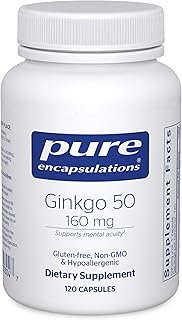
As women navigate midlife and menopause, maintaining optimal cognitive function often becomes a focus. One aspect of supporting brain health is ensuring adequate blood flow to the brain, which delivers essential oxygen and nutrients.
Ginkgo biloba, an herbal extract, has been studied for its potential role in modulating blood circulation. This article will explore the evidence surrounding ginkgo biloba’s vasodilation mechanism and its potential implications for cerebral blood flow.
Understanding Vasodilation and Brain Health
Vasodilation is the widening of blood vessels, which allows for increased blood flow. In the context of brain health, effective vasodilation is crucial because the brain requires a consistent and ample supply of blood to function optimally. Reduced blood flow can impact cognitive processes, making the maintenance of healthy vascular function a priority, particularly as we age.
The intricate network of blood vessels supplying the brain is highly responsive to various physiological signals. Supporting the flexibility and responsiveness of these vessels is a key area of research for maintaining cognitive well-being.

Ginkgo Biloba’s Influence on Blood Vessels
Research indicates that Ginkgo biloba extract can impact cardiovascular activity in healthy individuals [1]. The extract has been noted for its potential in vascular protection, with studies exploring its molecular mechanisms [2]. This protective capacity may contribute to its influence on blood flow.
Specifically, Ginkgo biloba extract has been observed to modulate signaling pathways involved in endothelial function. For instance, it may influence ET-1/NO signaling, which plays a role in regulating blood vessel tone [3]. Endothelial cells line the inside of blood vessels and are critical for vasodilation and constriction. By supporting endothelial function, ginkgo biloba may contribute to healthier blood vessel responses.
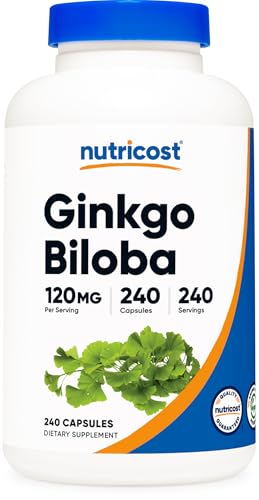
The Ginkgo Vasodilation Mechanism: Promoting Cerebral Blood Flow
The ability of Ginkgo biloba to encourage vasodilation is considered a key aspect of its potential benefits for the brain. By supporting the widening of blood vessels, ginkgo may facilitate improved blood circulation to brain tissues. This enhanced blood flow can help ensure that brain cells receive the oxygen and nutrients they need for optimal function.
Studies have explored the neuroprotective effects of Ginkgo biloba extract [4]. While the exact mechanisms are complex, improved cerebral blood flow is often cited as a contributing factor. For example, in a mouse model, Ginkgo biloba extract GBE50 was shown to ameliorate cerebrovascular dysfunction [5]. This suggests a role in maintaining the health and function of blood vessels within the brain itself.
Further research indicates that Ginkgo biloba may influence various pathways related to vascular health. It has been observed to abate lead-induced endothelial dysfunction in rats [6]. This suggests a broader impact on the health of the endothelium, the inner lining of blood vessels, which is crucial for proper vasodilation.

Beyond Vasodilation: Related Benefits of Ginkgo Biloba
While vasodilation is a primary focus, Ginkgo biloba extract’s potential benefits extend to other areas that may indirectly support brain health. Its neuroprotective properties have been investigated [4]. These broader effects can contribute to an overall environment conducive to healthy brain function.
In animal models, Ginkgo biloba extract has shown effects on spatial memory [7]. Additionally, it has been studied for its hepatic protective mechanisms [8]. These diverse findings suggest that Ginkgo biloba may influence various physiological systems, potentially contributing to overall well-being that supports cognitive health.
References
- Cardiovascular Activity of Ginkgo biloba-An Insight from Healthy Subjects. Biology, 2022
- Ginkgo biloba Extract in Vascular Protection: Molecular Mechanisms and Clinical Applications. Current vascular pharmacology, 2017
- Ginkgo biloba modulates ET-I/NO signalling in Lead Acetate induced rat model of endothelial dysfunction: Involvement of oxido-inflammatory mediators. International journal of environmental health research, 2024
- Neuroprotective effects of Ginkgo biloba extract. Cellular and molecular life sciences : CMLS, 2003
- Ginkgo biloba Extract GBE50 ameliorates cerebrovascular dysfunction and cognitive impairment in a mouse model of Alzheimer’s disease. Phytomedicine : international journal of phytotherapy and phytopharmacology, 2025
- Ginkgo biloba supplement abates lead-induced endothelial and testicular dysfunction in Wistar rats via up-regulation of Bcl-2 protein expression, pituitary-testicular hormones and down-regulation of oxido-inflammatory reactions. Journal of trace elements in medicine and biology : organ of the Society for Minerals and Trace Elements (GMS), 2023
- Ginkgo biloba extract improves spatial memory in rats mainly but not exclusively via a histaminergic mechanism. Brain research, 2007
- The hepatic protective mechanism of Ginkgo biloba extract in rats with obstructive jaundice. Bosnian journal of basic medical sciences, 2011
These statements have not been evaluated by the Food and Drug Administration. This information is not intended to diagnose, treat, cure, or prevent any disease. Content is for informational purposes only and is not medical advice; consult a qualified healthcare provider before starting any supplement. As an Amazon Associate we earn from qualifying purchases.