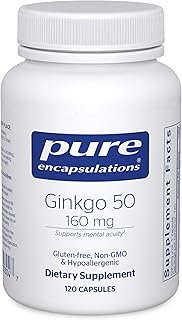
Ready to buy? Check current prices on Amazon and compare deals before you decide.
Navigating perimenopause often brings a range of changes, and for many women, sleep disturbances can be a significant concern. From difficulty falling asleep to waking frequently, these disruptions can impact daily well-being and quality of life.
As interest in herbal supplements grows, some women wonder if ginkgo biloba might offer support for sleep during this transitional phase. This article will explore the current, albeit limited, evidence regarding ginkgo biloba and its potential connection to sleep quality during perimenopause.
Understanding Perimenopausal Sleep Changes
Perimenopause is characterized by fluctuating hormone levels, particularly estrogen and progesterone. These hormonal shifts can contribute to various symptoms, including hot flashes, night sweats, anxiety, and mood changes, all of which can interfere with restful sleep.
Many women report increased sleep latency (taking longer to fall asleep), more frequent awakenings during the night, and a general reduction in sleep quality as they approach menopause. Addressing these sleep challenges is a common priority for those seeking to manage perimenopausal symptoms effectively.
What is Ginkgo Biloba?
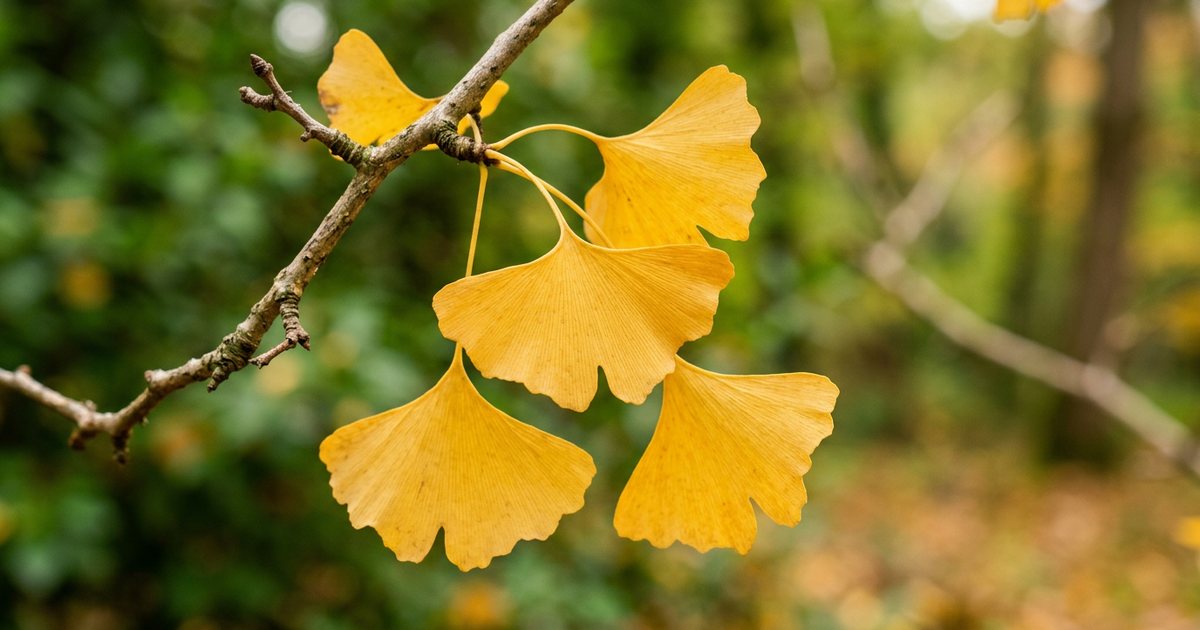
Ginkgo biloba is one of the oldest living tree species and its leaves have been used in traditional medicine for centuries. Modern extracts are typically standardized to contain specific levels of active compounds, primarily flavonoid glycosides and terpene lactones.
It is widely recognized for its potential effects on cognitive function and circulation. However, its role in other areas of health, such as sleep, is less established and continues to be an area of research interest.

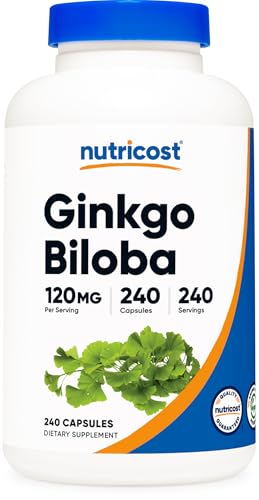
Ginkgo Biloba and Sleep: The Current Evidence for Perimenopause
When considering ginkgo biloba for sleep quality during perimenopause, it is important to acknowledge that the specific evidence directly linking ginkgo biloba to improved sleep in perimenopausal women is very limited.
General reviews of herbs commonly used by women, including ginkgo biloba, do not specifically highlight its efficacy for sleep issues during perimenopause or menopause [1][2]. These reviews provide broad overviews but do not offer detailed findings on ginkgo’s direct impact on perimenopausal sleep disturbances.
While ginkgo biloba is sometimes discussed in the context of general well-being, definitive studies demonstrating its ability to significantly improve perimenopausal sleep quality are currently lacking. Therefore, any potential benefits for sleep in this population remain largely unconfirmed by robust research.
Potential Mechanisms (Hypothetical)
Although direct evidence is scarce, some speculate about potential indirect ways ginkgo biloba might hypothetically influence sleep. For instance, if ginkgo biloba were to support overall circulation or exert mild effects on mood and anxiety, it’s conceivable that these indirect actions might, in turn, contribute to a more conducive environment for sleep.
However, these are speculative connections and not based on studies specifically investigating ginkgo biloba’s direct impact on the complex physiological processes involved in perimenopausal sleep regulation. More dedicated research would be needed to explore such hypothetical links.
Considerations for Use During Perimenopause
For women in perimenopause experiencing sleep challenges, it’s important to consider a holistic approach. This may include lifestyle adjustments such as optimizing sleep hygiene, managing stress, regular physical activity, and dietary considerations. Consulting with a healthcare provider is always recommended to discuss persistent sleep issues and explore all available options.
If considering ginkgo biloba, remember that it is a supplement and not a replacement for medical advice or established treatments for sleep disorders. Its effects can vary, and what works for one person may not work for another, especially given the limited specific evidence for perimenopausal sleep.
References
- Herbs commonly used by women: an evidence-based review. American journal of obstetrics and gynecology, 2003
- Herbs commonly used by women: an evidence-based review. Disease-a-month : DM, 2002
These statements have not been evaluated by the Food and Drug Administration. This information is not intended to diagnose, treat, cure, or prevent any disease. Content is for informational purposes only and is not medical advice; consult a qualified healthcare provider before starting any supplement. As an Amazon Associate we earn from qualifying purchases.