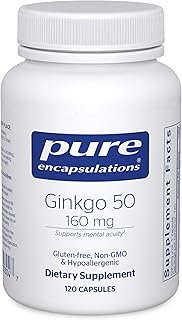
For women navigating midlife and menopause, understanding potential interactions between dietary supplements and over-the-counter medications is an important aspect of managing personal health. Ginkgo biloba is a popular herbal supplement, and many women also use non-steroidal anti-inflammatory drugs (NSAIDs) for common discomforts.
This article explores the current understanding of the potential for an interaction between Ginkgo biloba and NSAIDs, specifically focusing on the reported risk of increased bleeding. It’s crucial to approach this topic with an evidence-based perspective, recognizing that individual responses can vary.
What are NSAIDs and Why Are They Commonly Used?
Non-steroidal anti-inflammatory drugs, or NSAIDs, are a class of medications widely used to manage pain, reduce inflammation, and lower fever. Common examples include ibuprofen, naproxen, and aspirin (at higher, anti-inflammatory doses). Many women in midlife and menopause use NSAIDs for conditions such as headaches, muscle aches, joint discomfort, and menstrual cramps.
While generally considered safe for short-term use, NSAIDs can carry certain risks, especially with prolonged use or in individuals with pre-existing conditions. Understanding these potential risks, particularly in combination with other substances, is key to informed self-care.
Ginkgo Biloba: Mechanisms and Reported Effects
Ginkgo biloba extract, often standardized as EGb761, is derived from the leaves of the ginkgo tree. It has been studied for various potential effects, including those related to circulation and cognitive function. The mechanisms through which Ginkgo biloba may exert its effects are complex and involve multiple bioactive compounds.
Research suggests that Ginkgo biloba may influence blood coagulation and platelet function. For instance, a comprehensive analysis published in 2025 indicated that Ginkgo biloba can impact coagulation profiles and bleeding risk [1]. Another study found that a highly standardized deterpened Ginkgo biloba extract (VR456) interacted with cardioaspirin in both rats and humans [2]. These findings suggest a potential influence on blood clotting processes.

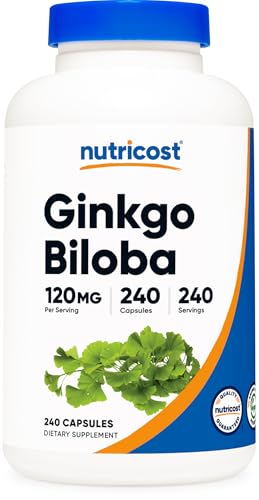
The Potential Ginkgo NSAID Interaction and Bleeding Risk
The primary concern when combining Ginkgo biloba with NSAIDs is the potential for an increased risk of bleeding. Both substances have been reported to influence platelet function, which is crucial for blood clotting. When taken together, there is a theoretical concern that their combined effects could lead to a greater reduction in the blood’s ability to clot, potentially increasing the likelihood of bleeding.
One case report described a fatal intracerebral mass bleeding associated with the combined use of Ginkgo biloba and ibuprofen [3]. This report, while a single instance, highlights a serious potential outcome. A comprehensive analysis also noted the impact of Ginkgo biloba drug interactions on bleeding risk and coagulation profiles [1].

It’s important to note that while some studies suggest a potential interaction, the overall evidence strength for this specific ginkgo NSAID interaction leading to clinically significant bleeding is considered moderate. Some research has also explored the interaction of Ginkgo biloba with other medications that affect clotting, such as ticlopidine and warfarin [2], further underscoring the need for careful consideration when combining Ginkgo biloba with medications that influence coagulation.
Understanding the Role of CYP Enzymes
Beyond direct effects on platelets, drug interactions can also occur through the modulation of cytochrome P450 (CYP) enzymes in the liver. These enzymes are responsible for metabolizing many medications, including some NSAIDs. If Ginkgo biloba affects these enzymes, it could alter how NSAIDs are processed in the body.
Research has evaluated Ginkgo biloba’s potential to interact with CYP2C9, an enzyme involved in the metabolism of several drugs [4]. While this specific study investigated CYP2C9 interactions, it’s a reminder that broader pharmacokinetic interactions, where one substance affects how the body handles another, are a complex area of study for many herbal supplements and medications. However, the primary concern with Ginkgo biloba and NSAIDs generally revolves around their combined effect on bleeding, rather than solely through CYP enzyme modulation.
Considering Individual Factors and Safety
Individual responses to supplements and medications can vary significantly. Factors such as age, overall health status, other medications being taken, and genetic predispositions can all play a role in how a person reacts to combining Ginkgo biloba and NSAIDs. For women in midlife and menopause, these factors may be particularly relevant, as changes in physiology can influence drug metabolism and response.
Given the reported potential for increased bleeding risk, it is sensible to exercise caution when considering the combined use of Ginkgo biloba and NSAIDs. This is especially true for individuals who may already be at a higher risk of bleeding due to other medical conditions or medications. Always prioritizing open communication with a healthcare provider is essential for making informed decisions about supplement and medication use.
References
- Impact of Ginkgo biloba drug interactions on bleeding risk and coagulation profiles: A comprehensive analysis. PloS one, 2025
- Interaction between ticlopidine or warfarin or cardioaspirin with a highly standardized deterpened Ginkgo biloba extract (VR456) in rat and human. Acta bio-medica : Atenei Parmensis, 2010
- Fatal intracerebral mass bleeding associated with Ginkgo biloba and ibuprofen. Atherosclerosis, 2003
- Ginkgo biloba: evaluation of CYP2C9 drug interactions in vitro and in vivo. American journal of therapeutics, 2006
These statements have not been evaluated by the Food and Drug Administration. This information is not intended to diagnose, treat, cure, or prevent any disease. Content is for informational purposes only and is not medical advice; consult a qualified healthcare provider before starting any supplement. As an Amazon Associate we earn from qualifying purchases.