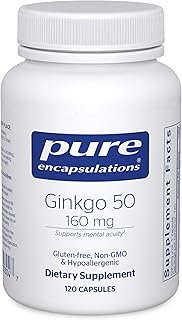
Perimenopause is a transitional phase leading up to menopause, often characterized by fluctuating hormone levels that can bring about a range of experiences, including shifts in mood and emotional well-being. Many women seek ways to navigate these changes, and some explore complementary therapies like ginkgo biloba.
This article examines the current, albeit limited, evidence regarding ginkgo biloba’s potential role in supporting emotional balance and addressing mood swings during perimenopause. It’s important to approach this topic with a clear understanding of what the research indicates.
Understanding Perimenopausal Mood Changes
The hormonal fluctuations of perimenopause, particularly in estrogen, can influence neurotransmitters in the brain, potentially contributing to mood swings, irritability, and feelings of emotional imbalance. These experiences are a common part of this life stage for many women. While lifestyle adjustments and conventional medical approaches are often discussed, interest in botanical supplements like ginkgo biloba for these symptoms has also emerged.
Ginkgo Biloba and Emotional Well-being: What the Research Suggests
Research directly linking ginkgo biloba to mood swings specifically in perimenopausal women is limited. However, some studies have explored its effects on mood and cognition in postmenopausal women, or in general populations. For example, a study involving a combination of Ginkgo biloba and Panax ginseng (Gincosan) in post-menopausal women observed effects on mood and cognition after 6 and 12 weeks of treatment [1]. This suggests that while ginkgo alone hasn’t been extensively studied for perimenopausal mood, its role in combination with other botanicals has been investigated in a related population.
Other research on ginkgo biloba has focused on areas like cognitive function and inflammation. For instance, a trial examined blood markers of inflammation and oxidative stress in individuals with mild cognitive impairment taking EGb 761 [2]. While these studies don’t directly address perimenopausal mood, they contribute to the broader understanding of ginkgo’s biological activities.
It’s crucial to note that the direct evidence for ginkgo biloba specifically addressing mood swings and emotional balance during perimenopause is not robust. Existing studies often involve different populations, combine ginkgo with other ingredients, or focus on other outcomes. For instance, a study looking at ginkgo in postmenopausal women for cognitive benefits found limited benefits after 6 weeks [3]. This highlights the need for more targeted research.


Considerations for Ginkgo Biloba Use
When considering any supplement, including ginkgo biloba, it’s important to be aware of potential interactions and individual responses. Ginkgo biloba is sometimes used by individuals with cardiovascular disease, and complementary therapies are a topic of discussion in that context [4]. This underscores the importance of discussing supplement use with a healthcare provider, especially if you have existing health conditions or are taking other medications.

The standardized extract EGb 761 is often used in research. For example, its effects in dementia patients with tinnitus have been examined, with beneficial effects likely unaffected by the patient’s sex [5]. This indicates that, in that study, the benefits did not appear to depend on the patient’s sex. However, this particular study is not directly related to perimenopausal mood swings.
What the Evidence Lacks
Currently, there is a significant gap in specific, high-quality research on ginkgo biloba’s isolated effects on mood swings and emotional balance in perimenopausal women. Most relevant studies either involve postmenopausal women, use ginkgo in combination with other supplements, or focus on different outcomes entirely. Therefore, any conclusions drawn about its direct benefits for perimenopausal mood must be viewed with caution and an acknowledgment of the limited evidence.
The existing evidence is not strong enough to suggest ginkgo biloba as a primary or proven method for managing perimenopausal mood changes. Further dedicated research is needed to determine if ginkgo biloba, particularly specific extracts, has a beneficial impact on the emotional experiences of women navigating perimenopause.
References
- Gincosan (a combination of Ginkgo biloba and Panax ginseng): the effects on mood and cognition of 6 and 12 weeks’ treatment in post-menopausal women. Nutritional neuroscience, 2004
- A randomized, open-label clinical trial in mild cognitive impairment with EGb 761 examining blood markers of inflammation and oxidative stress. Scientific reports, 2023
- Limited cognitive benefits in Stage +2 postmenopausal women after 6 weeks of treatment with Ginkgo biloba. Journal of psychopharmacology (Oxford, England), 2005
- Use of complementary therapies in patients with cardiovascular disease. The American journal of cardiology, 2006
- Does the Patient’s Sex Have an Impact on Beneficial Effects of Ginkgo biloba Extract EGb 761(®) in Dementia Patients with Tinnitus? Results of a Conditional Process Analysis. Journal of clinical medicine, 2025
These statements have not been evaluated by the Food and Drug Administration. This information is not intended to diagnose, treat, cure, or prevent any disease. Content is for informational purposes only and is not medical advice; consult a qualified healthcare provider before starting any supplement. As an Amazon Associate we earn from qualifying purchases.