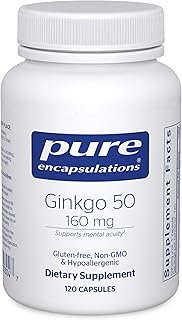
Many women experience changes in memory and cognitive function as they navigate perimenopause and menopause. These ‘brain fog’ moments, characterized by forgetfulness, difficulty concentrating, or struggling to find the right words, can be frustrating and disruptive to daily life. As a result, some individuals explore dietary supplements like ginkgo biloba in hopes of supporting cognitive well-being during this transitional phase.
Ginkgo biloba, derived from the leaves of the ginkgo tree, has a long history of traditional use and is widely available as a supplement. While it’s often associated with memory support, it’s important to approach claims with a careful, evidence-based perspective, especially when considering its potential role for ginkgo memory perimenopause.
Understanding Perimenopausal Memory Changes
Perimenopause is a natural biological transition marked by hormonal fluctuations, primarily estrogen, leading up to menopause. These hormonal shifts are thought to influence various bodily systems, including the brain. Many women report experiencing cognitive symptoms such as memory lapses, reduced focus, and difficulties with verbal recall during this time. While these changes are often temporary and resolve post-menopause for many, they can still be a source of concern and impact quality of life.
It’s important to differentiate these typical perimenopausal cognitive shifts from more serious cognitive conditions. Discussing any significant or concerning changes in memory or cognitive function with a healthcare provider is always recommended to rule out other potential causes and ensure appropriate guidance.
Ginkgo Biloba and General Cognitive Function: What the Research Suggests
Ginkgo biloba is one of the most studied herbal supplements for cognitive function. Some research has explored its effects on memory and cognitive abilities in various populations. For instance, a study assessed the safety and efficacy of a ginkgo biloba-containing dietary supplement on cognitive function, quality of life, and platelet function in healthy, cognitively intact older adults [1]. Another study focused on the prevention of chemotherapy-related cognitive dysfunction in women receiving adjuvant treatment for breast cancer, investigating ginkgo biloba as an intervention [2]. A systematic review also considered pharmacologic and non-pharmacologic interventions to manage cognitive alterations after chemotherapy for breast cancer [3].
While these studies explore ginkgo’s potential in different contexts, it’s crucial to note that the specific effects and benefits can vary, and not all research has shown consistent positive outcomes across all cognitive domains or populations. The evidence regarding ginkgo’s broader impact on general healthy cognitive function is considered moderate, with some findings suggesting potential benefits, while others report limited or no significant effects.

Ginkgo Biloba and Perimenopausal Memory: Specific Evidence
When specifically looking at perimenopausal women, the research directly linking ginkgo biloba to improvements in memory lapses during this particular transition is less extensive and somewhat mixed. One study investigated the cognitive benefits of Ginkgo biloba in Stage +2 postmenopausal women, reporting limited cognitive benefits after 6 weeks of treatment [4]. This suggests that for women in certain stages of menopause, the direct impact on specific cognitive measures might not be substantial.

It’s important to recognize that perimenopause presents a unique physiological context due to fluctuating hormones, which may influence how interventions like ginkgo biloba are processed and exert their effects. More targeted research specifically focusing on the ginkgo memory perimenopause connection would be beneficial to provide clearer insights. The current evidence for ginkgo’s specific impact on memory changes experienced during perimenopause is considered moderate, and not all studies have demonstrated significant improvements.

Safety Considerations and Interactions
Ginkgo biloba is generally considered safe for many people when used appropriately. However, like all supplements, it is not without potential considerations. Ginkgo can interact with certain medications, particularly blood thinners (anticoagulants and antiplatelets), due to its potential effects on platelet function [1]. This interaction could increase the risk of bleeding.
It’s always advisable to consult with a healthcare provider before starting any new supplement, especially if you are taking other medications, have underlying health conditions, or are pregnant or breastfeeding. This consultation can help ensure that ginkgo biloba is appropriate for your individual circumstances and to discuss potential interactions or side effects.
Beyond Supplements: Holistic Approaches to Perimenopausal Brain Health
While exploring supplements like ginkgo biloba for memory support, it’s also valuable to consider a holistic approach to brain health during perimenopause. Lifestyle factors play a significant role in cognitive well-being. Regular physical activity, for instance, has been explored in protocols for assessing cognitive function in older women [5].
Other key factors include maintaining a balanced diet rich in fruits, vegetables, and healthy fats, ensuring adequate sleep, managing stress effectively, and engaging in mentally stimulating activities. These foundational habits can collectively contribute to supporting cognitive function throughout the perimenopausal transition and beyond.
References
- Safety and efficacy of a ginkgo biloba-containing dietary supplement on cognitive function, quality of life, and platelet function in healthy, cognitively intact older adults. Journal of the American Dietetic Association, 2007
- The use of Ginkgo biloba for the prevention of chemotherapy-related cognitive dysfunction in women receiving adjuvant treatment for breast cancer, N00C9. Supportive care in cancer : official journal of the Multinational Association of Supportive Care in Cancer, 2013
- Systematic review of pharmacologic and non-pharmacologic interventions to manage cognitive alterations after chemotherapy for breast cancer. European journal of cancer (Oxford, England : 1990), 2015
- Limited cognitive benefits in Stage +2 postmenopausal women after 6 weeks of treatment with Ginkgo biloba. Journal of psychopharmacology (Oxford, England), 2005
- Combining a high DHA multi-nutrient supplement with aerobic exercise: Protocol for a randomised controlled study assessing mobility and cognitive function in older women. Prostaglandins, leukotrienes, and essential fatty acids, 2019
These statements have not been evaluated by the Food and Drug Administration. This information is not intended to diagnose, treat, cure, or prevent any disease. Content is for informational purposes only and is not medical advice; consult a qualified healthcare provider before starting any supplement. As an Amazon Associate we earn from qualifying purchases.