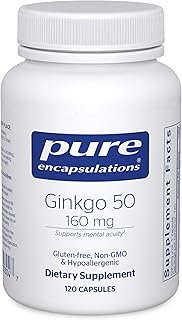
As women navigate the shifts of midlife and perimenopause, many experience changes throughout their bodies. Maintaining healthy circulation, particularly in the extremities like hands and feet, can be a common focus during this time.
Ginkgo biloba, an herbal extract, has been explored for its potential role in supporting blood flow. This article will delve into the current understanding of ginkgo’s potential benefits for peripheral circulation, focusing on how this might relate to comfort in the hands and feet.
Understanding Peripheral Circulation and Its Importance
Peripheral circulation refers to the blood flow in the arteries and veins outside of the heart and brain, extending to areas like the arms, hands, legs, and feet. Healthy peripheral circulation is essential for delivering oxygen and nutrients to these tissues and removing waste products. When peripheral circulation is less optimal, individuals may experience various sensations in their extremities.
Maintaining robust peripheral circulation is key for overall comfort and function. Factors such as age, lifestyle, and hormonal changes, like those experienced during perimenopause, can influence the efficiency of this circulatory system. Supporting healthy blood flow to the extremities can contribute to greater comfort in daily life.
Ginkgo Biloba’s Potential Role in Supporting Blood Flow
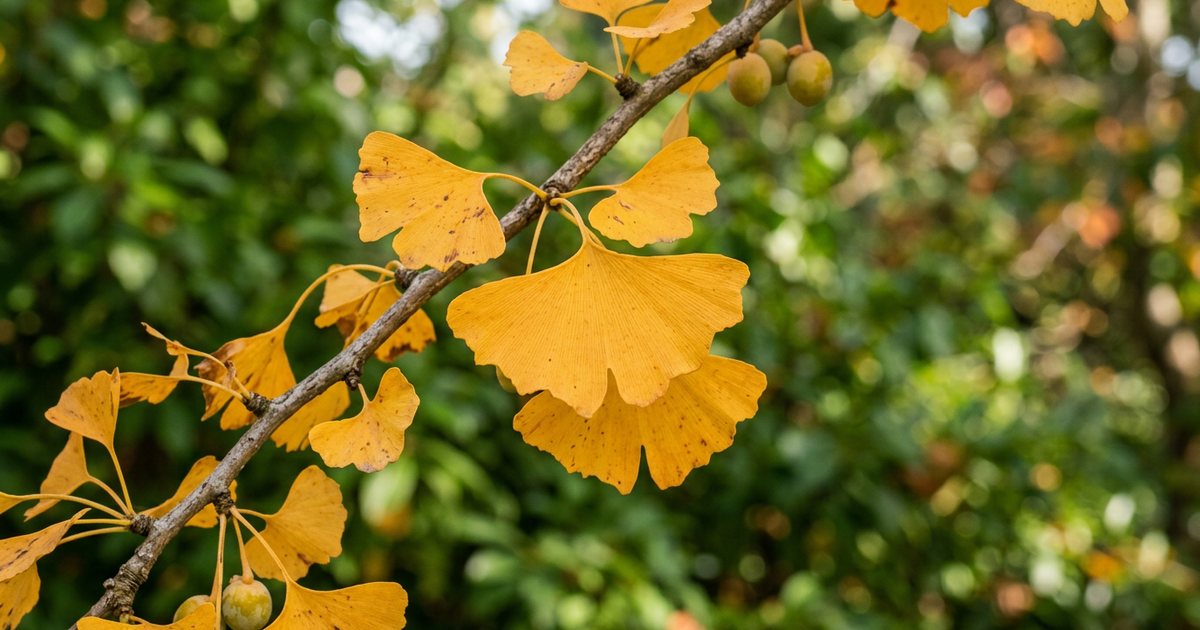
Ginkgo biloba extract, specifically a standardized extract known as EGb 761, is derived from the leaves of the ginkgo tree. It contains active compounds called flavonoids and terpenoids, which are thought to contribute to its potential effects on the circulatory system [1]. These compounds are believed to influence blood vessel tone and blood viscosity.
Research has investigated ginkgo’s ability to support blood flow, particularly in the context of peripheral arterial occlusive disease (PAOD). A review based on randomized, controlled studies suggests that a special extract of ginkgo (EGb 761) may be helpful in managing PAOD [2]. Another meta-analysis of controlled clinical studies also explored ginkgo biloba extract in peripheral arterial diseases [3]. These findings suggest a potential role for ginkgo in influencing peripheral circulation.

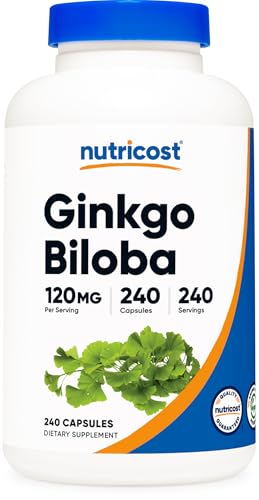
Ginkgo and Comfort in Hands and Feet
For women in perimenopause, experiencing sensations related to less-than-optimal circulation in the hands and feet can be a noticeable concern. While ginkgo is not a solution for underlying medical conditions, its potential to support peripheral blood flow may be relevant. The focus of much of the research on ginkgo and circulation has been on conditions like intermittent claudication, which involves discomfort in the legs during exercise due to reduced blood flow. A Cochrane review examined ginkgo biloba for intermittent claudication [4].
The mechanisms through which ginkgo may support circulation include potentially increasing blood flow and improving microcirculation, which is the flow of blood in the smallest vessels [1]. By influencing these aspects, ginkgo may contribute to a sense of greater comfort in the extremities, though individual experiences can vary.
Ginkgo and Raynaud’s Phenomenon: Mixed Evidence
Raynaud’s phenomenon is a condition where blood vessels in the fingers and toes temporarily narrow, often in response to cold or stress, leading to discomfort and color changes. Given ginkgo’s explored role in circulation, it has been studied for its potential effects on Raynaud’s.
Some earlier research explored ginkgo in this context. A double-blind placebo-controlled trial investigated the use of Ginkgo biloba in Raynaud’s disease [5]. Another study compared the efficacy and safety of nifedipine with Ginkgo biloba extract for primary Raynaud’s phenomenon [6]. However, more recent studies have offered different perspectives. A randomized controlled trial found no significant effect of ginkgo biloba special extract EGb 761 in the treatment of primary Raynaud phenomenon [7]. A literature review and meta-analysis on complementary and alternative medicine for Raynaud’s phenomenon also provides an overview of the evidence [8]. This indicates that while ginkgo has been investigated for Raynaud’s, the evidence for a clear benefit is mixed.
Considering Ginkgo for General Peripheral Comfort
While specific conditions like Raynaud’s show mixed results regarding ginkgo’s efficacy, the broader understanding of ginkgo’s influence on peripheral circulation remains an area of interest [9]. For women in perimenopause who are seeking ways to support general comfort in their hands and feet, particularly if they experience sensations related to less robust circulation, ginkgo may be considered as part of a holistic approach.
It’s important to approach any supplement with realistic expectations. Ginkgo is not a substitute for healthy lifestyle practices that support circulation, such as regular physical activity, managing stress, and maintaining a balanced diet. The evidence for ginkgo’s benefits for peripheral circulation, particularly in the context of general discomfort rather than specific diseases, is moderate. Individual responses to ginkgo can vary, and it’s always advisable to consult with a healthcare provider before starting any new supplement regimen.
References
- Ginkgo biloba: indications, mechanisms, and safety. The Psychiatric clinics of North America, 2013
- Ginkgo biloba special extract EGb 761 in the treatment of peripheral arterial occlusive disease (PAOD)–a review based on randomized, controlled studies. International journal of clinical pharmacology and therapeutics, 2004
- [Ginkgo biloba extract in peripheral arterial diseases. Meta-analysis of controlled clinical studies]. Arzneimittel-Forschung, 1992
- Ginkgo biloba for intermittent claudication. The Cochrane database of systematic reviews, 2013
- The use of Ginkgo biloba in Raynaud’s disease: a double-blind placebo-controlled trial. Vascular medicine (London, England), 2002
- To compare the efficacy and safety of nifedipine sustained release with Ginkgo biloba extract to treat patients with primary Raynaud’s phenomenon in South Korea; Korean Raynaud study (KOARA study). Clinical rheumatology, 2009
- No significant effect of ginkgo biloba special extract EGb 761 in the treatment of primary Raynaud phenomenon: a randomized controlled trial. Journal of cardiovascular pharmacology, 2012
- The efficacy of complementary and alternative medicine in the treatment of Raynaud’s phenomenon: a literature review and meta-analysis. Rheumatology (Oxford, England), 2009
- Complementary therapies for peripheral arterial disease: systematic review. Atherosclerosis, 2005
These statements have not been evaluated by the Food and Drug Administration. This information is not intended to diagnose, treat, cure, or prevent any disease. Content is for informational purposes only and is not medical advice; consult a qualified healthcare provider before starting any supplement. As an Amazon Associate we earn from qualifying purchases.