Experiencing vertigo and dizziness can be unsettling, and for many women navigating midlife and perimenopause, these symptoms can be particularly disruptive. As hormonal shifts occur, some individuals may seek various approaches to support their well-being.
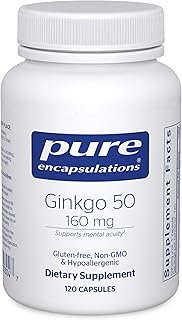
Ginkgo biloba, a well-known herbal extract, is sometimes considered for its potential to support cognitive function and circulation. This article explores the current evidence regarding ginkgo biloba’s role in addressing vertigo and dizziness, focusing on its relevance for women in the perimenopausal stage.
Understanding Vertigo and Dizziness in Midlife
Vertigo and dizziness are common symptoms that can stem from a variety of causes, ranging from inner ear issues to more complex neurological factors. For women in midlife, hormonal fluctuations associated with perimenopause can sometimes coincide with or exacerbate these sensations, though direct causation is not always clear. It’s important to differentiate between true vertigo, which is a sensation of spinning, and general dizziness or lightheadedness, as their underlying causes and potential management strategies can differ.
When considering any supplement, including ginkgo biloba, for symptoms like vertigo and dizziness, understanding the potential mechanisms of action is helpful. Ginkgo biloba is thought to influence blood flow and have antioxidant properties, which might theoretically play a role in supporting inner ear health or neurological function. However, the exact ways in which it might affect symptoms like dizziness are still being explored.
Ginkgo Biloba and Balance: What the Research Suggests
Several studies have investigated ginkgo biloba’s potential influence on balance and vertigo. For instance, research has explored the use of Ginkgo biloba extract in conjunction with balance training for age-related vertigo [1]. This suggests an interest in its potential to support balance mechanisms, particularly as individuals age.
Another study compared a defined Ginkgo biloba extract with a homeopathic preparation for vertigo in an elderly population, indicating that ginkgo biloba was considered as a relevant option in such contexts [2]. While this study involved an older demographic, the findings contribute to the broader understanding of ginkgo’s potential role in managing vertigo-related symptoms.
Furthermore, a systematic review and meta-analysis is exploring ginkgo biloba extract for dizziness-related symptoms in central neurological disorders [3]. While this research is focused on neurological disorders, it highlights the ongoing scientific interest in ginkgo’s effects on dizziness across different conditions. The evidence strength for this topic is considered moderate, meaning there are studies suggesting a potential benefit, but more robust or larger-scale research might be needed to draw definitive conclusions for all populations, including perimenopausal women specifically.

Ginkgo Biloba for Cognitive Support and Broader Well-being
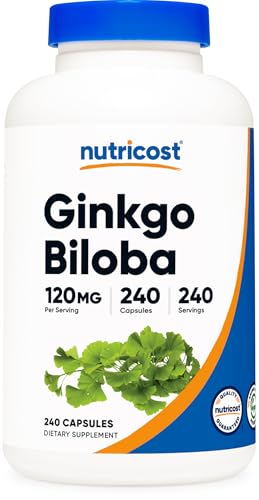
While our primary focus is on vertigo and dizziness, it’s worth noting that ginkgo biloba is also widely studied for its potential effects on cognitive function. For example, a multicenter, open-label, prospective study showed safety and therapeutic benefits of a defined Ginkgo biloba extract for adults with major neurocognitive disorder [4]. While not directly related to vertigo, cognitive well-being is often a concern for women in midlife, and some individuals may experience a combination of symptoms.

It’s important to understand that the benefits observed in cognitive studies may not directly translate to relief from vertigo or dizziness. However, the broader research into ginkgo’s potential to support circulatory health and neurological function provides context for why it might be considered for a range of symptoms, including those related to balance.
Safety Considerations and Potential Interactions
When considering any supplement, including ginkgo biloba, it is crucial to be aware of potential safety aspects and interactions. Ginkgo biloba can interact with certain medications [5]. These interactions can include blood thinners, antidepressants, and anti-seizure medications, among others. It is always recommended to discuss any supplements you are considering with a healthcare provider, especially if you are taking prescription medications or have existing health conditions.
For women in perimenopause, who may be managing various health changes and potentially taking other medications, this caution is particularly relevant. A healthcare professional can help assess individual suitability and potential risks. While some studies suggest a good safety profile for specific ginkgo extracts, understanding potential interactions is a key part of informed decision-making.
References
- Balance Training With Vibrotactile Neurofeedback and Ginkgo Biloba Extract in Age-Related Vertigo. Frontiers in neurology, 2021
- The homeopathic preparation Vertigoheel versus Ginkgo biloba in the treatment of vertigo in an elderly population: a double-blinded, randomized, controlled clinical trial. Journal of alternative and complementary medicine (New York, N.Y.), 2005
- Ginkgo biloba extract for dizziness-related symptoms in central neurological disorders: a systematic review and meta-analysis. Frontiers in neurology, 2026
- Multicenter, Open-Label, Prospective Study Shows Safety and Therapeutic Benefits of a Defined Ginkgo Biloba Extract for Adults with Major Neurocognitive Disorder. Dementia and geriatric cognitive disorders, 2024
- Pharmacokinetic drug interactions involving Ginkgo biloba. Drug metabolism reviews, 2013
These statements have not been evaluated by the Food and Drug Administration. This information is not intended to diagnose, treat, cure, or prevent any disease. Content is for informational purposes only and is not medical advice; consult a qualified healthcare provider before starting any supplement. As an Amazon Associate we earn from qualifying purchases.