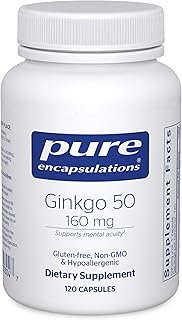
Ready to buy? Check current prices on Amazon and compare deals before you decide.
Perimenopause is a significant transition for many women, often accompanied by a range of symptoms, including shifts in mood. Irritability, anxiety, and mood swings can be challenging, leading many to explore various options for support.
Ginkgo biloba is a popular herbal supplement, often associated with cognitive function. However, some wonder if it might also play a role in managing emotional well-being during this life stage. Let’s delve into what is currently understood about ginkgo and perimenopausal mood.
Understanding Perimenopausal Mood Changes
The hormonal fluctuations characteristic of perimenopause, particularly changes in estrogen and progesterone levels, are thought to contribute significantly to mood instability. These shifts can influence neurotransmitter activity in the brain, potentially leading to increased irritability, anxiety, and feelings of sadness.[1]
Beyond hormones, other factors like sleep disturbances, hot flashes, and the broader life changes often occurring in midlife can also impact mood. It’s a complex interplay of physiological and psychological elements that makes this period unique for each woman.
Ginkgo Biloba: A Brief Overview
Ginkgo biloba is derived from the leaves of the Ginkgo tree, one of the oldest living tree species. It has been used for centuries in traditional practices. The active compounds in ginkgo are primarily flavonoids and terpenoids, which are thought to have antioxidant properties.[2]
Historically, ginkgo has been most recognized for its potential role in supporting circulation and cognitive function. However, its broad range of compounds has led some to consider its potential effects on other bodily systems, including those involved in mood regulation.


Ginkgo Biloba and Mood Swings in Perimenopause: The Current Picture
When it comes to specifically addressing mood swings and irritability directly linked to perimenopause, the scientific evidence for ginkgo biloba is currently limited. While ginkgo has been explored in other contexts related to mood or cognitive well-being, direct, high-quality research focusing on perimenopausal mood symptoms is not readily available.
It’s important to distinguish between general mood support and targeted relief for perimenopausal symptoms. While some individuals might report subjective improvements, these anecdotes are not a substitute for rigorous clinical trials. The mechanisms by which ginkgo might influence mood are still being investigated and are not fully understood, especially in the context of hormonal fluctuations.
Therefore, while ginkgo is generally recognized for its antioxidant properties, and some research explores its effects on brain function, its specific efficacy for perimenopausal mood swings and irritability has not been established through robust scientific studies.[3][4]
What We Don’t Know Yet About Ginkgo and Perimenopausal Mood
A significant gap in our understanding is the lack of clinical trials specifically designed to investigate the effects of ginkgo biloba on mood swings and irritability in women experiencing perimenopause.[5] Such studies would need to account for the unique hormonal profiles and symptom clusters of this stage.

We also lack clarity on optimal dosages, potential interactions with hormone therapy or other medications commonly used during perimenopause, and the long-term effects of ginkgo use in this specific population. More research is needed to determine if ginkgo could be a beneficial option for perimenopausal mood support.
Considering Ginkgo for Overall Well-being During Perimenopause
While direct evidence for perimenopausal mood swings is limited, some individuals may still consider ginkgo as part of a broader approach to overall well-being. Its potential antioxidant properties are often cited as a general health benefit. However, it’s crucial to manage expectations regarding its specific impact on perimenopausal mood symptoms.
Supporting mood during perimenopause often involves a multi-faceted approach, including lifestyle adjustments such as regular exercise, stress management techniques, adequate sleep, and a balanced diet. Any decision to incorporate supplements like ginkgo should be made with a clear understanding of the current evidence and in consultation with a healthcare provider.
References
- Menstrual cycle hormone changes associated with reproductive aging and how they may relate to symptoms. Obstetrics and Gynecology Clinics of North America (2018).
- Multifaceted therapeutic benefits of Ginkgo biloba L.: chemistry, efficacy, safety, and uses. Journal of Food Science (2008).
- Gincosan (a combination of Ginkgo biloba and Panax ginseng): the effects on mood and cognition of 6 and 12 weeks’ treatment in post-menopausal women. Nutritional Neuroscience (2004).
- Effects of herbal and dietary supplements on cognition in menopause: a systematic review. Maturitas (2011).
- Complementary therapies for management of menopausal symptoms: a systematic review to inform the update of the International Menopause Society recommendations on women’s midlife health. Climacteric (2026).
These statements have not been evaluated by the Food and Drug Administration. This information is not intended to diagnose, treat, cure, or prevent any disease. Content is for informational purposes only and is not medical advice; consult a qualified healthcare provider before starting any supplement. As an Amazon Associate we earn from qualifying purchases.