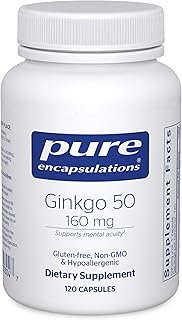
As women navigate perimenopause, various bodily changes can lead to questions about maintaining overall health, including eye health and vision. Many turn to natural supplements, such as ginkgo biloba, wondering about their potential role.
This article examines the current, albeit limited, scientific understanding of ginkgo biloba’s potential connection to eye health and vision, specifically for women in midlife and perimenopause. We will review what the available research indicates, focusing on evidence-based information.
Understanding Eye Health Changes in Midlife
Midlife often brings natural changes to vision and eye health. These can include presbyopia (difficulty focusing on close objects), dry eyes, and increased awareness of conditions like cataracts or age-related macular degeneration (AMD). Maintaining good eye health involves a combination of lifestyle factors, regular eye exams, and sometimes, nutritional support.
While perimenopause itself isn’t a direct cause of many eye diseases, hormonal shifts can influence various bodily systems, potentially impacting eye comfort and overall health. Understanding these natural shifts is key to evaluating the potential role of supplements like ginkgo biloba.
Ginkgo Biloba and Its Components for Eye Health
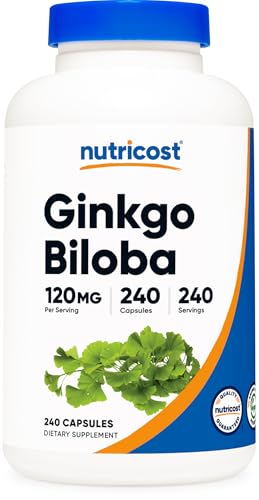
Ginkgo biloba extracts contain various phytochemicals, including flavonoids and terpenoids, which are of interest in the context of age-related eye diseases [1]. These compounds are known for their antioxidant properties, which may play a role in protecting cells from oxidative stress.
Oxidative stress is a factor implicated in the development and progression of several age-related eye conditions [2]. The presence of these compounds in ginkgo biloba is why researchers are exploring its potential benefits for eye health.

Antioxidant Properties and Cellular Protection
One area of research focuses on ginkgo biloba’s antioxidant effects. Studies suggest that ginkgo biloba extracts may protect human retinal pigment epithelial (RPE) cells from oxidative stress and necrosis. This protective effect appears to involve the activation of the Nrf2-mediated antioxidant defense pathway [3]. RPE cells are crucial for the health and function of the retina.
These findings are from cellular studies, which are an early step in understanding potential mechanisms. While promising, cellular studies do not directly translate to effects in humans or specific conditions like those experienced during perimenopause.
Ginkgo Biloba and Ocular Perfusion
Another area of investigation involves the potential impact of ginkgo biloba extract on blood flow within the eye. A study examined the effect of ginkgo biloba extract on macula and peripapillary perfusion, as assessed using optical coherence tomography angiography [4]. Perfusion refers to the blood supply to tissues, and adequate blood flow is essential for healthy eye function.
The results of such studies are still emerging and require further investigation to determine if any observed changes in perfusion translate into meaningful clinical benefits for vision or eye health in humans.

Specific Conditions: Diabetic Retinopathy
While not directly related to perimenopause, some research explores ginkgo biloba’s potential in specific eye conditions. For instance, a study in a rat model suggested that ginkgo biloba extract might attenuate the progression of diabetic retinopathy by modulating TP53 ubiquitination [5].
It is important to emphasize that findings from animal models, especially concerning specific disease mechanisms, may not be directly applicable to human eye health or to the general eye health considerations during perimenopause. This research points to potential avenues of exploration but is not evidence of benefit for typical age-related eye changes.
Limited Evidence for Perimenopausal Eye Health
It is crucial to acknowledge that the current evidence specifically linking ginkgo biloba to eye health or vision benefits during perimenopause is limited. The studies cited provide insights into potential mechanisms or effects in specific contexts (cellular models, animal models, or general populations).
There is no robust clinical trial evidence demonstrating that ginkgo biloba significantly supports or improves eye health or vision specifically for women navigating the perimenopausal transition. While general antioxidant properties might be broadly beneficial, direct, proven benefits for perimenopausal eye concerns are not established.
References
- Phytochemicals in Ginkgo biloba for Age-Related Eye Disease – A Review. Journal of dietary supplements, 2025
- Health Benefits of Polyphenols and Carotenoids in Age-Related Eye Diseases. Oxidative medicine and cellular longevity, 2019
- Ginkgo biloba extracts (GBE) protect human RPE cells from t-BHP-induced oxidative stress and necrosis by activating the Nrf2-mediated antioxidant defence. The Journal of pharmacy and pharmacology, 2023
- Effect of ginkgo biloba extract on macula and peripapillary perfusion examined using optical coherence tomography angiography. Canadian journal of ophthalmology. Journal canadien d’ophtalmologie, 2025
- Ginkgo Biloba extract attenuates diabetic retinopathy progression by modulating TP53 ubiquitination in a rat model. Molecular biology reports, 2025
These statements have not been evaluated by the Food and Drug Administration. This information is not intended to diagnose, treat, cure, or prevent any disease. Content is for informational purposes only and is not medical advice; consult a qualified healthcare provider before starting any supplement. As an Amazon Associate we earn from qualifying purchases.