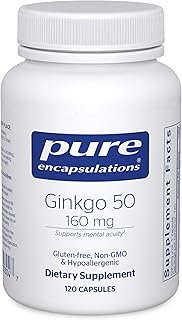
For women navigating midlife and menopause, managing cardiovascular health often involves considering various lifestyle factors and sometimes prescription medications. Statins are commonly prescribed to help manage cholesterol levels. Alongside this, some women may also consider incorporating herbal supplements like Ginkgo biloba into their wellness routine.
Understanding how Ginkgo biloba might interact with prescription medications, such as statins, is an important aspect of making informed health choices. This article will explore the current understanding of potential interactions between Ginkgo biloba and statins, focusing on available evidence and safety considerations.
What Are Statins and Why Are They Used?
Statins are a class of medications designed to help lower cholesterol levels in the blood. They work by inhibiting an enzyme in the liver that is crucial for cholesterol production. By reducing ‘bad’ low-density lipoprotein (LDL) cholesterol, statins can help support cardiovascular health. They are a cornerstone of managing conditions associated with elevated cholesterol, particularly for individuals at risk of cardiovascular disease [1].
For women in midlife and menopause, changes in hormone levels can sometimes influence cholesterol profiles, making statins a relevant consideration for some. It’s important for individuals to discuss their cardiovascular health and potential medication options with a healthcare provider.
Ginkgo Biloba: A Brief Overview
Ginkgo biloba is one of the oldest living tree species, and extracts from its leaves have been used for various purposes for centuries. The extract contains several active compounds, including flavonoids and terpenoids, which are thought to contribute to its observed effects. While Ginkgo biloba is sometimes explored for cognitive support, its potential interactions with medications are a key area of research [2][3][4].
Many individuals, particularly older adults, may use herbal medicinal products alongside prescription drugs [5]. This concurrent use highlights the importance of understanding potential interactions to maintain safety and efficacy of both conventional and complementary approaches.

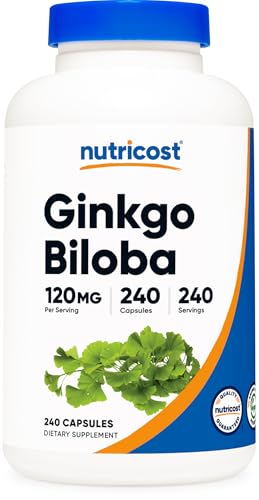
Potential for Ginkgo Statin Interaction: What the Research Suggests
Research into the potential interaction between Ginkgo biloba and statins has yielded mixed results, indicating a need for careful consideration. Some studies have investigated whether Ginkgo biloba can influence how the body processes statin medications, which is known as pharmacokinetics.
One study examined the interaction between Ginkgo biloba extract and simvastatin in healthy subjects. It found that concurrent administration reduced simvastatin exposure but did not significantly change simvastatin acid pharmacokinetics or cholesterol-lowering efficacy, although a pharmacodynamic interaction could not be ruled out [6]. This suggests that the drop in simvastatin exposure did not translate into a measurable change in its cholesterol-lowering effect in this study.
However, other research has explored different statins and potential mechanisms. Flavonoids, which are components of Ginkgo biloba, have been shown to inhibit hepatic uptake transporters in laboratory settings [7]. These transporters play a role in how the liver processes certain medications, including some statins. For example, a study in rats with non-alcoholic fatty liver disease found that Ginkgo biloba extract affected the pharmacokinetics of pitavastatin, a statin that is a substrate of Oatp1b2, a type of uptake transporter [8]. This suggests that the potential for interaction might depend on the specific statin and the individual’s physiological state.

Another study investigated the effects of Ginkgo biloba extracts on the pharmacokinetics and efficacy of atorvastatin. This research, based on plasma indices, aimed to understand if Ginkgo biloba altered how atorvastatin was absorbed, distributed, metabolized, or excreted, or if it changed the statin’s effects [9]. The findings regarding atorvastatin interactions have also been part of the broader discussion about herb-drug interactions. The overall evidence strength for this topic is moderate, indicating that while some studies show no significant interaction, others suggest potential for interaction, particularly with specific statins or under certain conditions.
Safety Concerns and Considerations
The primary safety concern with a ginkgo statin interaction is the potential for altered statin levels in the body. If Ginkgo biloba were to increase statin levels, it could potentially raise the risk of statin-related side effects, such as muscle pain (myopathy) or liver issues. Conversely, if it were to decrease statin levels, it could potentially reduce the effectiveness of the statin in managing cholesterol [10].
Given the varied findings and the complexity of individual metabolism, it is crucial for women taking statins to exercise caution and consult with their healthcare provider before considering Ginkgo biloba supplementation. This is especially important as older adults, who are more likely to be on multiple medications, also commonly use herbal products [5].
Ginkgo Biloba and Atorvastatin: The Short Version
Ginkgo biloba has documented antiplatelet and blood-thinning properties, which is the main theoretical concern when combining it with statins like atorvastatin, particularly around bleeding risk when other blood-thinning factors are also present. Some pharmacokinetic research has also looked at whether ginkgo affects atorvastatin metabolism itself. See the Potential for Ginkgo Statin Interaction section above, and talk to your prescriber before combining them.
References
- Evolving Strategies for Use of Phytochemicals in Prevention and Long-Term Management of Cardiovascular Diseases (CVD). International journal of molecular sciences, 2024
- Effect of long-term pharmacological treatments on Alzheimer disease: A systematic review and network meta-analysis. Medicine, 2024
- Pharmacotherapy of Alzheimer’s disease: an overview of systematic reviews. European journal of clinical pharmacology, 2022
- Non-cholinergic strategies for treating and preventing Alzheimer’s disease. CNS drugs, 2002
- Concurrent Use of Prescription Drugs and Herbal Medicinal Products in Older Adults: A Systematic Review. Drugs & aging, 2017
- Assessment of a pharmacokinetic and pharmacodynamic interaction between simvastatin and Ginkgo biloba extracts in healthy subjects. Xenobiotica; the fate of foreign compounds in biological systems, 2013
- Inhibition of hepatic uptake transporters by flavonoids. European journal of pharmaceutical sciences : official journal of the European Federation for Pharmaceutical Sciences, 2012
- Pharmacokinetic herb-disease-drug interactions: Effect of ginkgo biloba extract on the pharmacokinetics of pitavastatin, a substrate of Oatp1b2, in rats with non-alcoholic fatty liver disease. Journal of ethnopharmacology, 2021
- Effects of Ginkgo biloba extracts on pharmacokinetics and efficacy of atorvastatin based on plasma indices. Xenobiotica; the fate of foreign compounds in biological systems, 2012
- Cardiovascular pharmacotherapy and herbal medicines: the risk of drug interaction. International journal of cardiology, 2005
These statements have not been evaluated by the Food and Drug Administration. This information is not intended to diagnose, treat, cure, or prevent any disease. Content is for informational purposes only and is not medical advice; consult a qualified healthcare provider before starting any supplement. As an Amazon Associate we earn from qualifying purchases.