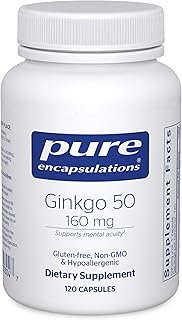
As women navigate midlife and menopause, many explore various supplements, including ginkgo biloba, for its potential benefits. However, it’s crucial to be aware of all aspects of a supplement’s profile, including potential risks.
One area of concern that has been discussed in scientific literature is the potential connection between ginkgo biloba and seizure risk. Understanding this information is vital for making informed decisions about your health and supplement choices, particularly if you have a history of seizures or are on other medications.
The Potential for Seizure Activity with Ginkgo Biloba
While ginkgo biloba is widely used, there have been discussions and reports regarding its potential to influence seizure activity. It’s important to note that the exact mechanisms are still being explored, but certain components within the ginkgo plant are thought to be implicated.
Specifically, ginkgo seeds, and to a lesser extent, leaves, contain ginkgotoxin (4′-O-methylpyridoxine). This compound is known for its neurotoxic properties and has been associated with central nervous system effects, including convulsions. The concentration of ginkgotoxin can vary depending on the part of the plant used and the extraction method for supplements.
While most standardized ginkgo leaf extracts are processed to minimize ginkgotoxin levels, the presence of this compound raises a cautionary flag for individuals susceptible to seizures. The risk is generally considered higher with raw ginkgo seeds or unpurified extracts, but even standardized products warrant careful consideration.

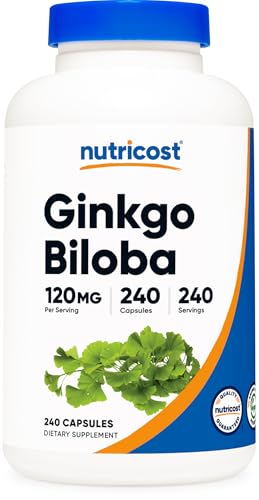
Case Reports Linking Ginkgo Biloba to Seizures
The scientific literature includes case reports detailing instances where ginkgo biloba use has been associated with seizure events. These reports, while not conclusive proof of causation, serve as important indicators for potential interactions and sensitivities.
For example, one case report described an adolescent who developed new-onset seizures, which were potentially linked to the use of ginkgo biloba. The report highlighted the importance of considering herbal supplements as a potential contributing factor in neurological events, particularly in individuals presenting with new or unexplained seizure activity [1]. Such cases emphasize the need for healthcare providers to inquire about supplement use and for individuals to disclose all supplements they are taking.
These case reports contribute to the overall understanding of ginkgo biloba’s safety profile, particularly concerning its neurological effects. They underscore the importance of vigilance and careful consideration, especially for individuals with pre-existing neurological conditions or those who may be more vulnerable to proconvulsant effects.
Who Might Be at Higher Risk?
Certain individuals may be at a higher potential risk for experiencing adverse neurological effects, including seizures, when using ginkgo biloba. This includes individuals with a pre-existing history of seizure disorders, such as epilepsy. For these individuals, any substance that can lower the seizure threshold, even slightly, could be problematic.

Additionally, individuals taking medications that also affect the central nervous system or have a known interaction with ginkgo biloba might be at increased risk. For example, some antidepressant medications, antipsychotics, and other drugs can lower the seizure threshold. Combining these with ginkgo biloba could potentially amplify the risk of a seizure event.
It’s also important to consider the dosage and formulation of ginkgo biloba. Products containing higher concentrations of ginkgotoxin, such as unpurified extracts or raw ginkgo seeds, are generally associated with a greater potential risk. Standardized leaf extracts typically have lower levels of ginkgotoxin, but caution is still advised.
Consulting Your Healthcare Provider
Given the potential for ginkgo biloba to influence seizure activity, it is paramount to discuss its use with a healthcare provider, especially if you have a history of seizures or are on any medications.
Your doctor can help you assess your individual risk factors, consider potential interactions with your current medications, and determine if ginkgo biloba is a suitable supplement for you. They can also provide guidance on appropriate dosages and formulations, or suggest alternative options if ginkgo biloba is deemed too risky.
Open communication with your healthcare team about all supplements you are considering or currently taking is essential for your safety and well-being. Do not start or stop any supplement without consulting a qualified health professional.
References
These statements have not been evaluated by the Food and Drug Administration. This information is not intended to diagnose, treat, cure, or prevent any disease. Content is for informational purposes only and is not medical advice; consult a qualified healthcare provider before starting any supplement. As an Amazon Associate we earn from qualifying purchases.