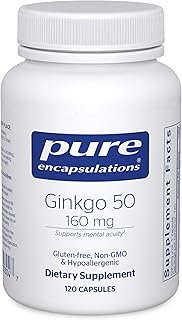
Are you experiencing those frustrating “tip-of-the-tongue” moments more often? Perhaps you’ve noticed your hands and feet feeling colder, or a general sense of mental fogginess that wasn’t there a decade ago. As women navigate the perimenopausal and postmenopausal years, these changes can be disconcerting, prompting a search for natural ways to support cognitive function and overall well-being.
Ginkgo biloba, an ancient tree with a rich history in traditional medicine, has emerged as a popular supplement for addressing these very concerns. But with so much information available, it’s crucial to understand what Ginkgo biloba is, what the scientific evidence truly says about its benefits, and most importantly, how to use it safely, especially if you are taking other medications.
GinkgoHub may earn a commission from qualifying purchases made through links in this article. This helps support our research and content creation.
What Exactly Is Ginkgo Biloba?
Ginkgo biloba, often simply called ginkgo, is one of the oldest living tree species on Earth, with individual trees living for thousands of years. Native to China, it has been revered for centuries in traditional Chinese medicine for its purported health benefits. The medicinal properties are primarily concentrated in the fan-shaped leaves.
For supplement purposes, a highly concentrated extract is typically used. The most well-researched and standardized form is Ginkgo biloba extract EGb 761. This specific extract is standardized to contain 24% ginkgo flavone glycosides and 6% terpene lactones, which are believed to be the primary active compounds responsible for ginkgo’s therapeutic effects.
Ginkgo Biloba and Cognitive Function: Memory and Beyond
The promise of “ginkgo memory cognitive” support is a primary driver for many individuals considering this supplement. The proposed mechanisms involve ginkgo’s ability to improve blood flow, particularly to the brain, and its antioxidant properties. These actions theoretically protect brain cells and enhance neural communication.
Research on Healthy Adults
Studies investigating ginkgo’s effects on memory and cognitive sharpness in healthy, younger adults have yielded mixed results. Some small studies suggest modest improvements in certain cognitive tasks, such as attention or working memory, after short-term use. However, larger, well-designed trials have often failed to demonstrate significant, consistent benefits in enhancing memory or cognitive function in healthy individuals. The evidence for a noticeable “brain boost” in those without cognitive impairment remains largely inconclusive.
Ginkgo for Age-Related Cognitive Decline
For older adults experiencing mild cognitive impairment (MCI) or early stages of dementia, the research landscape is also complex. Some studies have indicated that long-term use of standardized ginkgo extract, like EGb 761, might slow the rate of cognitive decline or improve some cognitive symptoms in individuals with pre-existing conditions. These effects are often modest and not universally observed across all studies. It is important to manage expectations, as ginkgo is not a cure for dementia and its role in preventing it is not definitively established.

Ginkgo and Circulation: Supporting Perimenopausal Health
Beyond cognitive benefits, “ginkgo circulation perimenopause” is another area of interest, particularly for women experiencing circulatory changes. Ginkgo is believed to improve blood flow by dilating blood vessels and reducing blood viscosity. This mechanism could potentially alleviate symptoms related to poor circulation.
Peripheral Artery Disease (PAD)
Ginkgo has been studied for improving walking distance in intermittent claudication, a symptom of peripheral artery disease (PAD) in which reduced blood flow causes leg pain during exercise. This is often presented as ginkgo’s strongest circulatory claim, and it should not be. A Cochrane review pooling 14 trials in 739 participants found the increase in absolute claudication distance was not statistically significant, amounted to about 64 metres on a flat treadmill, and was probably inflated by publication bias; it concluded there is “no evidence that Ginkgo biloba has a clinically significant benefit for patients with peripheral arterial disease”[1]. It is not a treatment for PAD, first-line or otherwise.
Raynaud’s Phenomenon
For conditions like Raynaud’s phenomenon, where blood vessels in the fingers and toes constrict in response to cold or stress, ginkgo’s vasodilatory effects have been explored. Limited research indicates that ginkgo might help reduce the frequency and severity of attacks in some individuals. However, more robust studies are needed to confirm these findings.
Ginkgo Biloba EGb 761: The Standard for Research
When discussing the efficacy and safety of ginkgo, it is crucial to specify the extract used. “Ginkgo biloba EGb 761” refers to a specific, highly standardized extract that has been used in the vast majority of clinical trials. This standardization ensures a consistent concentration of the active compounds, ginkgo flavone glycosides and terpene lactones.
Many over-the-counter ginkgo supplements may not use this specific extract or may not be standardized to the same degree. This variability in product quality can significantly impact the results observed in studies and the potential benefits experienced by users. Consumers should look for products that explicitly state they contain EGb 761 or a similar standardized extract with comparable levels of active compounds.
Safety Considerations: Ginkgo Blood Thinning and Interactions
This is perhaps the most critical section for anyone considering ginkgo supplementation, especially if you are taking other medications. Ginkgo’s potential for “ginkgo blood thinning” is a real and well-documented concern.
Anticoagulant and Antiplatelet Medications
Ginkgo biloba can inhibit platelet aggregation, meaning it can reduce the ability of platelets to stick together and form blood clots. This effect, while potentially beneficial for circulation, poses a significant risk when combined with anticoagulant medications (blood thinners) such as warfarin (Coumadin), dabigatran (Pradaxa), rivaroxaban (Xarelto), apixaban (Eliquis), or antiplatelet drugs like aspirin, clopidogrel (Plavix), and prasugrel (Effient). It is worth being precise about how strong that evidence is. A meta-analysis of 18 randomised controlled trials in 1,985 adults found no significant effect of standardised ginkgo extract on ADP-induced platelet aggregation, fibrinogen, activated partial thromboplastin time or prothrombin time, and concluded the data “did not indicate a higher bleeding risk”[2]; a randomised crossover study found ginkgo at recommended doses did not affect clotting status or the pharmacokinetics or pharmacodynamics of warfarin[3]. What exists on the other side is case reports[4] — enough to keep the question open, not enough to call the interaction established.
If you are on any blood-thinning medication, consult your healthcare provider before taking ginkgo biloba. Not because a dangerous interaction has been proven, but because it has not been excluded, the demonstrated upside of ginkgo is small, and the downside of being wrong while anticoagulated is severe. Self-medicating in this scenario is not a reasonable bet.

Other Potential Interactions
Ginkgo may also interact with other medications, including:
- Antidepressants: ginkgo is frequently listed alongside SSRIs. The reported complications in that combination have been bleeding events rather than serotonergic ones[5] — ginkgo is not a serotonergic agent, and the serotonin-syndrome reports in the herb–drug literature are attributed to other botanicals[4]. Tell your prescriber either way.
- Seizure medications: case reports have raised the possibility that ginkgo lowers the seizure threshold. Treat this as a reason for caution rather than a settled finding.
- Diabetes medications: ginkgo might affect blood sugar levels; monitor glucose if you are treated for diabetes.
- NSAIDs: ibuprofen and similar drugs have antiplatelet effects of their own. The same reasoning as for prescription blood thinners applies.
Side Effects
Common side effects of ginkgo are generally mild and may include headache, dizziness, upset stomach, or allergic skin reactions. Serious side effects, though rare, can involve increased bleeding risk.
Choosing a Ginkgo Biloba Supplement
When looking for a ginkgo supplement, quality and standardization are key. Here’s what to consider:
| Feature | Description |
|---|---|
| Standardized Extract | Look for “EGb 761” or an extract standardized to 24% ginkgo flavone glycosides and 6% terpene lactones. This ensures you are getting the compounds studied in research. |
| Reputable Manufacturer | Choose brands that conduct third-party testing for purity and potency. Certifications like NSF, USP, or ConsumerLab can indicate higher quality control. |
| Dosage | Typical dosages used in studies range from 120 mg to 240 mg per day, divided into two or three doses. Start with a lower dose and follow product instructions or professional advice. |
| Absence of Ginkgolic Acids | High levels of ginkgolic acids can be toxic. Quality extracts should have these reduced to less than 5 ppm (parts per million). |
Where to Find Quality Ginkgo Biloba Supplements
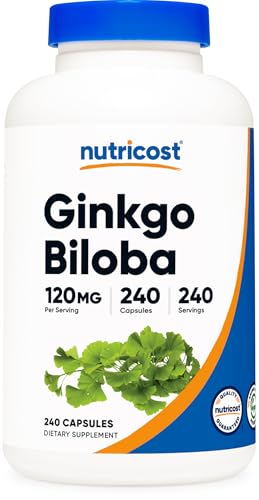
When searching for ginkgo biloba supplements online, prioritize products that clearly state their standardization. You can find options by searching for standardized ginkgo biloba EGb 761. Additionally, consider looking for ginkgo biloba extract for memory support from brands known for quality. For those specifically interested in circulatory benefits, searching for ginkgo biloba circulation support can yield relevant results. Remember to always read product descriptions and customer reviews carefully.
Conclusion
Ginkgo biloba is a fascinating botanical with a long history and promising potential, particularly in supporting circulation and possibly aiding age-related cognitive health. While it is not a “miracle cure” for memory loss or a substitute for conventional medical treatments, standardized extracts like EGb 761 have shown modest benefits in some populations.
However, its potential interactions, especially with blood-thinning medications, cannot be overstated. Always engage in an open and honest conversation with your healthcare provider before introducing any new supplement, including ginkgo, into your regimen. This is especially crucial for women navigating perimenopause and postmenopause who may be on multiple medications or experiencing new health concerns. Informed choices are safe choices.
Frequently Asked Questions (FAQ)
1. What is the best dosage for Ginkgo biloba?
Typical dosages used in most clinical studies range from 120 mg to 240 mg per day of a standardized EGb 761 extract, often divided into two or three doses. It is always best to start with a lower dose and follow product instructions or consult a healthcare professional.
2. How long does it take for Ginkgo biloba to work?
Any potential benefits of Ginkgo biloba, particularly for cognitive function or circulation, are typically not immediate. It may take several weeks to a few months of consistent use to observe any subtle effects. Individual responses can vary.
3. Can I take Ginkgo biloba with my blood pressure medication?
Ginkgo biloba can have mild effects on blood pressure. If you are taking medication for high blood pressure, it is essential to consult your doctor before starting ginkgo. Your blood pressure may need to be monitored more closely.

4. Is Ginkgo biloba safe for everyone?
No. It is not recommended for people on blood-thinning medication, people with seizure disorders, or those who are pregnant or breastfeeding. In the anticoagulant case this is a precaution rather than a formal contraindication: controlled trials have not shown that ginkgo measurably affects clotting[2], but the combination has not been shown to be safe and the consequence of being wrong is severe. In pregnancy and breastfeeding the reason is simply an absence of safety data. Always consult a healthcare professional about your specific situation.
5. What is the difference between Ginkgo biloba and EGb 761?
Ginkgo biloba refers to the plant itself. EGb 761 is a specific, highly standardized extract derived from the leaves of the Ginkgo biloba tree. It is the most extensively researched form of ginkgo used in clinical trials, ensuring a consistent concentration of active compounds.
6. Can Ginkgo biloba prevent Alzheimer’s disease?
No. The Ginkgo Evaluation of Memory study randomised 3,069 adults aged 75 and over to 120 mg of EGb 761 twice daily or placebo for a median of 6.1 years and found no reduction in dementia or Alzheimer’s incidence (hazard ratio 1.12, 95% CI 0.94–1.33), including among those who already had mild cognitive impairment[6]. A Cochrane review of the treatment trials concluded the evidence for a predictable, clinically significant benefit in dementia or cognitive impairment is “inconsistent and unreliable”[7].
These statements have not been evaluated by the FDA. This product is not intended to diagnose, treat, cure, or prevent any disease.

References
- Ginkgo biloba for intermittent claudication. Cochrane Database of Systematic Reviews, 2013
- Is there a risk of bleeding associated with standardized Ginkgo biloba extract therapy? A systematic review and meta-analysis. Pharmacotherapy, 2011
- Effect of ginkgo and ginger on the pharmacokinetics and pharmacodynamics of warfarin in healthy subjects. British Journal of Clinical Pharmacology, 2005
- Herb-drug interactions. The Lancet, 2000
- Unwanted effects of psychotropic drug interactions with medicinal products and diet supplements containing plant extracts. Psychiatria Polska, 2018
- Ginkgo biloba for prevention of dementia: a randomized controlled trial. JAMA, 2008
- Ginkgo biloba for cognitive impairment and dementia. Cochrane Database of Systematic Reviews, 2009
These statements have not been evaluated by the Food and Drug Administration. This information is not intended to diagnose, treat, cure, or prevent any disease. Content is for informational purposes only and is not medical advice; consult a qualified healthcare provider before starting any supplement. As an Amazon Associate we earn from qualifying purchases.