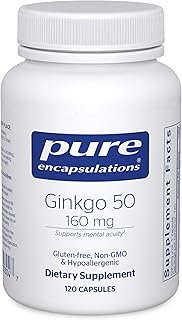
As women navigate midlife and menopause, questions about maintaining cognitive vitality often arise. Ginkgo biloba, a well-researched botanical, is frequently discussed in this context. Understanding how it may support brain health involves looking at its various mechanisms within the body.
This article will explore the scientific understanding of ginkgo biloba’s actions, focusing on how its components may influence brain function. We’ll delve into its antioxidant properties, its potential role in circulation, and its influence on cellular processes, providing an evidence-based overview without making medical claims.
Ginkgo Biloba’s Active Components
Ginkgo biloba extract (GBE) is standardized to contain specific active compounds, primarily flavonoids and terpenoids [1]. These include flavonol glycosides, such as quercetin, kaempferol, and isorhamnetin, and terpene lactones like ginkgolides and bilobalide [2][3]. These diverse compounds are believed to work synergistically to exert ginkgo’s effects [4]. For instance, isorhamnetin has been reviewed for its pharmacological effects [5], and ginkgetin has been shown to alleviate inflammation and senescence by targeting STING [6].
The specific ratios of these compounds in standardized extracts are considered important for their potential biological activities. The presence of these varied components contributes to the multi-faceted ginkgo mechanism action observed in studies.
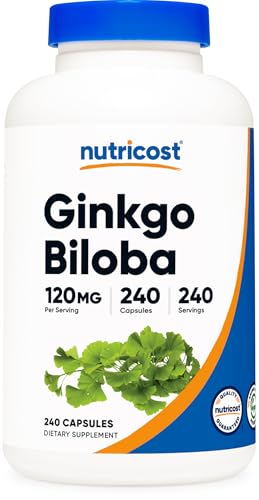

Antioxidant and Anti-inflammatory Properties
One of the key mechanisms attributed to ginkgo biloba is its potent antioxidant activity [2]. Oxidative stress, caused by an imbalance between free radicals and antioxidants, can contribute to cellular damage, including in brain cells [7]. The flavonoids present in ginkgo biloba are recognized for their ability to scavenge free radicals, thereby helping to protect cells from oxidative damage [2][4].
Beyond direct free radical scavenging, ginkgo biloba may also influence anti-inflammatory pathways. Chronic inflammation is another factor implicated in various age-related processes [6]. Components within ginkgo biloba extract have been suggested to modulate inflammatory responses, potentially contributing to its neuroprotective profile [2]. This dual action against oxidative stress and inflammation is a significant aspect of the ginkgo mechanism action for brain health [7].
Supporting Cerebral Blood Flow
Another widely recognized mechanism of ginkgo biloba involves its potential influence on blood circulation, particularly within the brain [1]. Adequate blood flow is crucial for delivering oxygen and nutrients to brain cells and removing waste products. Research suggests that ginkgo biloba may help maintain healthy blood flow, which could support overall brain function [2][8].
While often discussed, the exact ways ginkgo biloba influences cerebral blood flow are complex and may involve multiple pathways, including vasoregulation. This aspect of the ginkgo mechanism action is considered important for its potential role in supporting cognitive functions as we age [9].

Neuroprotection and Synaptic Function
Ginkgo biloba has also been explored for its neuroprotective properties, meaning its ability to help protect neurons from damage or degeneration [2]. This can involve various cellular mechanisms. For example, some components of ginkgo biloba may help stabilize neuronal membranes and support mitochondrial function, which is critical for cellular energy production [2][4].
Furthermore, there is interest in how ginkgo biloba might influence neurotransmitter systems and synaptic plasticity, which are fundamental to learning, memory, and overall cognitive function [2]. Supporting these intricate cellular and synaptic processes is a key part of understanding the ginkgo mechanism action in the context of brain health [8].
References
- Ginkgo biloba: indications, mechanisms, and safety. The Psychiatric clinics of North America, 2013
- Neuroprotective and Antioxidant Effect of Ginkgo biloba Extract Against AD and Other Neurological Disorders. Neurotherapeutics : the journal of the American Society for Experimental NeuroTherapeutics, 2019
- Ginkgo biloba: The Traditional Use, Phytochemistry, Pharmacology, and Therapeutic Applications. The American journal of Chinese medicine, 2025
- Neuroprotective Herbs for the Management of Alzheimer’s Disease. Biomolecules, 2021
- Isorhamnetin: A review of pharmacological effects. Biomedicine & pharmacotherapy = Biomedecine & pharmacotherapie, 2020
- Ginkgetin Alleviates Inflammation and Senescence by Targeting STING. Advanced science (Weinheim, Baden-Wurttemberg, Germany), 2025
- Ginkgo biloba: A Leaf of Hope in the Fight against Alzheimer’s Dementia: Clinical Trial Systematic Review. Antioxidants (Basel, Switzerland), 2024
- Improvement of age-related neurocognitive disorders by Ginkgo biloba extract: neuroprotection in focus. International journal of psychiatry in clinical practice, 2026
- Investigating the effects of Ginkgo biloba leaf extract on cognitive function in Alzheimer’s disease. CNS neuroscience & therapeutics, 2024
These statements have not been evaluated by the Food and Drug Administration. This information is not intended to diagnose, treat, cure, or prevent any disease. Content is for informational purposes only and is not medical advice; consult a qualified healthcare provider before starting any supplement. As an Amazon Associate we earn from qualifying purchases.