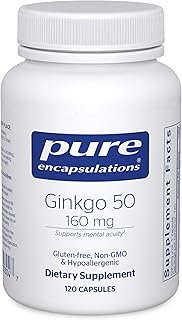
As women navigate midlife and menopause, managing mood and cognitive function can be a significant focus. Some may consider herbal supplements like Ginkgo biloba to support overall well-being. However, for those also taking prescription medications, especially antidepressants, understanding potential interactions is crucial.
This article provides an evidence-based overview of the potential for Ginkgo biloba to interact with antidepressant medications. Our aim is to offer clear, non-hyped information to help you make informed decisions in consultation with your healthcare provider.
What is Ginkgo Biloba?
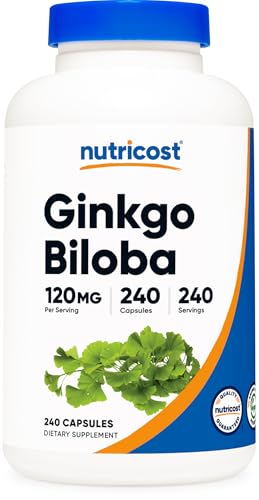
Ginkgo biloba is one of the oldest living tree species, with its leaves traditionally used in various health practices. Extracts from Ginkgo biloba leaves contain a complex mixture of compounds, including flavonoids and terpenoids, which are believed to contribute to its observed effects [1]. It is often explored for its potential role in supporting cognitive function and circulation.
The use of herbal remedies and dietary supplements, including Ginkgo biloba, is common among adults, particularly older adults, and can sometimes occur concurrently with prescription medications [2].

Antidepressants and Their Role in Midlife
Antidepressants are prescription medications commonly used to help manage symptoms of depression and anxiety. These conditions can be particularly prevalent or experience shifts during midlife and menopause due to hormonal fluctuations and other life changes. Various types of antidepressants work through different mechanisms to influence neurotransmitter levels in the brain.
Understanding Potential Ginkgo Antidepressants Interaction
The concurrent use of herbal medicinal products and prescription drugs is a recognized area of concern due to the potential for interactions [2]. Ginkgo biloba, like many other herbal supplements, contains bioactive compounds that can influence physiological processes, potentially altering how prescription medications are metabolized or act in the body [3].
Specifically, there is moderate evidence suggesting that Ginkgo biloba may interact with certain antidepressant medications. Some reports have indicated that Ginkgo biloba could potentially affect the metabolism of drugs, which might lead to altered levels of antidepressants in the body [3]. This can either increase the antidepressant’s effects and associated side effects or reduce its effectiveness.
For example, some studies and reviews have highlighted the possibility of unwanted effects arising from interactions between psychotropic drugs and medicinal products containing plant extracts, including Ginkgo biloba [4]. While specific mechanisms can vary, the potential for altered drug metabolism or additive effects on neurotransmitter systems is a consideration [5].
Specific Types of Antidepressants and Interaction Considerations
While broad statements about ‘antidepressants’ are made, it’s important to recognize that different classes of antidepressants (e.g., SSRIs, SNRIs, tricyclic antidepressants) work in distinct ways. The potential for interaction with Ginkgo biloba may vary depending on the specific antidepressant and its metabolic pathway.

Some research suggests that Ginkgo biloba may have properties that could theoretically influence neurotransmitter systems relevant to mood and brain function [6]. When combined with medications designed to specifically modulate these systems, there is a possibility of additive or synergistic effects, or interference with drug action. Therefore, understanding the specific antidepressant you are taking is essential when considering Ginkgo biloba.
Adverse effects and drug interactions related to herbal remedies, including Ginkgo biloba, have been documented and warrant careful consideration, especially in individuals taking multiple medications [7].
Safety Considerations and Professional Guidance
Given the potential for ginkgo antidepressants interaction, it is paramount for women taking antidepressant medications to discuss any use of Ginkgo biloba or other supplements with their healthcare provider. This includes disclosing all over-the-counter supplements, herbal remedies, and prescription drugs.
Your doctor can assess your individual health profile, the specific antidepressant you are prescribed, and the potential risks and benefits of incorporating Ginkgo biloba. They can also monitor for any signs of interaction or adverse effects, helping to ensure your safety and the effectiveness of your treatment plan. Never adjust your medication dosage or stop taking antidepressants without consulting your doctor.
References
- Ginkgo biloba: A Treasure of Functional Phytochemicals with Multimedicinal Applications. Evidence-based complementary and alternative medicine : eCAM, 2022
- Concurrent Use of Prescription Drugs and Herbal Medicinal Products in Older Adults: A Systematic Review. Drugs & aging, 2017
- Herb-drug interactions. Lancet (London, England), 2000
- Unwanted effects of psychotropic drug interactions with medicinal products and diet supplements containing plant extracts. Psychiatria polska, 2018
- Dietary supplements and natural products as psychotherapeutic agents. Psychosomatic medicine, 1999
- Plant-Derived Nutraceuticals in Mental Health and Brain Function: Mechanisms of Action and Therapeutic Potential. International journal of molecular sciences, 2025
- Herbal remedies: adverse effects and drug interactions. American family physician, 1999
These statements have not been evaluated by the Food and Drug Administration. This information is not intended to diagnose, treat, cure, or prevent any disease. Content is for informational purposes only and is not medical advice; consult a qualified healthcare provider before starting any supplement. As an Amazon Associate we earn from qualifying purchases.