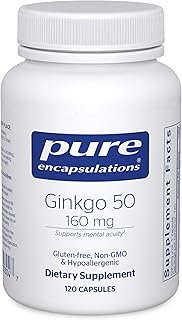
For women in midlife and menopause, managing health often involves a combination of approaches, including dietary supplements. Ginkgo biloba is a popular botanical extract known for various potential effects. However, when considering any supplement, it’s important to understand how it might interact with existing medications, especially those for chronic conditions like thyroid disorders.
This article examines the current, albeit limited, evidence surrounding ginkgo biloba and its potential interactions or considerations for women taking thyroid medication. Our aim is to provide clear, evidence-based information to help you make informed decisions in consultation with your healthcare provider.
Understanding Thyroid Medication and Ginkgo Biloba
Thyroid hormones play a crucial role in metabolism, energy levels, and overall well-being. Many women, particularly during midlife and menopause, may be prescribed thyroid hormone replacement medication, such as levothyroxine, to manage conditions like hypothyroidism. These medications are carefully dosed to maintain appropriate hormone levels in the body.
Ginkgo biloba, derived from the leaves of the Ginkgo tree, contains active compounds called flavonoids and terpenoids. It is often taken for cognitive support, but its biological activities are wide-ranging. When considering a supplement like ginkgo alongside prescribed thyroid medication, understanding the potential for interaction is key to maintaining health and medication effectiveness.
Limited Research on Ginkgo Biloba and Thyroid Medication Interactions
The scientific literature specifically investigating direct interactions between ginkgo biloba and standard thyroid hormone replacement medications in humans is currently limited. Most available research focuses on ginkgo’s effects on thyroid tissue or its use during specific thyroid treatments, rather than its impact on daily thyroid medication efficacy.
One study explored the effect of Ginkgo biloba extract on genotoxic damage in patients with differentiated thyroid carcinoma receiving thyroid remnant ablation with iodine-131 [1]. Another study investigated the anticlastogenic effect of Ginkgo biloba extract in Graves’ disease patients receiving radioiodine therapy [2]. These studies suggest ginkgo’s potential influence in certain thyroid-related contexts, but they do not directly address interactions with common daily thyroid hormone replacement medications.
Animal research has also contributed to our understanding. For example, a study in oxygen-deprived hypothyroid mice suggested that treatment with Ginkgo biloba supplement modulated oxidative disturbances, inflammation, and vascular functions, involving endothelin-1/NO signaling pathways [3]. While interesting, findings from animal studies do not always translate directly to humans and do not provide information on interactions with thyroid medication.
Considerations for Women Using Thyroid Medications
Given the limited direct evidence on ginkgo biloba and thyroid medication interactions, a cautious approach is advisable. Thyroid hormone levels are delicate, and factors that could alter their absorption, metabolism, or effectiveness need to be carefully considered. While there isn’t clear evidence to suggest that ginkgo biloba directly interferes with the absorption or metabolism of thyroid hormones in a way that would alter medication dosing, the possibility cannot be entirely ruled out without further research.

It is always prudent to discuss any supplements, including ginkgo biloba, with your healthcare provider before starting them, especially if you are taking prescribed medications for a thyroid condition. Your doctor can help assess potential risks and monitor your thyroid hormone levels more closely if you decide to use ginkgo biloba.
Safety and General Toxicology Information
Beyond potential interactions, it’s important to consider the general safety profile of ginkgo biloba. Toxicology and carcinogenesis studies of Ginkgo biloba extract have been conducted in F344/N rats and B6C3F1/N mice via gavage studies [4]. These types of studies provide foundational safety data, but they are not specific to interactions with thyroid medication in humans. Common adverse effects reported with ginkgo biloba can include headache, dizziness, palpitations, gastrointestinal upset, and allergic skin reactions. Ginkgo is also known to have antiplatelet effects, which could increase the risk of bleeding, particularly if taken with blood-thinning medications.
For women navigating midlife and menopause, who may be on multiple medications or have other health considerations, a thorough review of all supplements and medications with a healthcare professional is essential to ensure overall safety and avoid unwanted effects.
Ginkgo Biloba and Thyroid Medication: The Short Version
Evidence on ginkgo biloba specifically interacting with levothyroxine or other thyroid medications is limited. As with any supplement taken alongside a thyroid prescription, the practical concern is less a dramatic interaction and more the general principle of discussing any new supplement with the prescriber managing your thyroid medication. See the Considerations for Women Using Thyroid Medications section above.

References
- The effect of Ginkgo biloba extract on genotoxic damage in patients with differentiated thyroid carcinoma receiving thyroid remnant ablation with iodine-131. Thyroid : official journal of the American Thyroid Association, 2012
- Anticlastogenic effect of Ginkgo biloba extract in Graves’ disease patients receiving radioiodine therapy. The Journal of clinical endocrinology and metabolism, 2007
- Treatment with Ginkgo biloba supplement modulates oxidative disturbances, inflammation and vascular functions in oxygen deprived hypothyroid mice: Involvement of endothelin-1/NO signaling pathways. Journal of food biochemistry, 2022
- Toxicology and carcinogenesis studies of Ginkgo biloba extract (CAS No. 90045-36-6) in F344/N rats and B6C3F1/N mice (Gavage studies). National Toxicology Program technical report series, 2013
These statements have not been evaluated by the Food and Drug Administration. This information is not intended to diagnose, treat, cure, or prevent any disease. Content is for informational purposes only and is not medical advice; consult a qualified healthcare provider before starting any supplement. As an Amazon Associate we earn from qualifying purchases.